
 August M
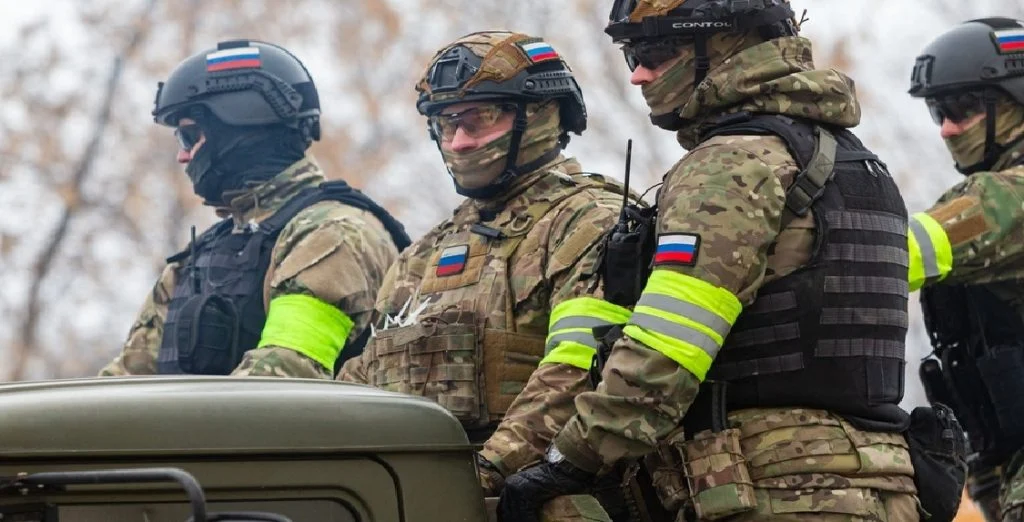
As thousands of Russian troops return from the war in Ukraine, concerns are growing over the impact on public safety. Reports suggest some of those coming back include individuals with serious criminal histories.

The issue appears most acute in poorer regions, where the effects of the war are felt more directly.
Growing numbers
According to Onet, official Kremlin figures indicated that around 140,000 soldiers had returned home by last summer.
However, political scientist Kirill Rogov, cited by Tagesspiegel, estimates the real number could be closer to 600,000, including wounded and discharged personnel.
This sharp increase has raised concerns about reintegration and oversight.


In major cities, the issue is less visible, but elsewhere it is becoming harder to ignore.
Crime concerns
Reports indicate that some returning soldiers had previously been convicted of serious offences.
These individuals were recruited during the war and later allowed to return home.
The independent Russian outlet Verstka documented more than 1,000 attacks involving returning soldiers between 2022 and the end of 2025.
At least 240 of these incidents were classified as criminal acts, many involving former prisoners.
Impunity fears
Critics warn that accountability remains limited.
“There is complete impunity,” observers cited by Onet have said, pointing to weak enforcement and lack of oversight.
The concern is that individuals with violent backgrounds may feel shielded from consequences after military service.
This perception, analysts say, risks further destabilising already vulnerable communities.
Uneven impact
The effects are not evenly distributed across Russia.
Residents of Moscow and St Petersburg are often insulated from the issue.
In contrast, poorer regions face greater exposure to returning fighters and the challenges they bring.
The long-term consequences, experts suggest, may depend on how authorities respond to these emerging risks.
Sources: Onet, Tagesspiegel, Verstka



