
 Kenneth Glad
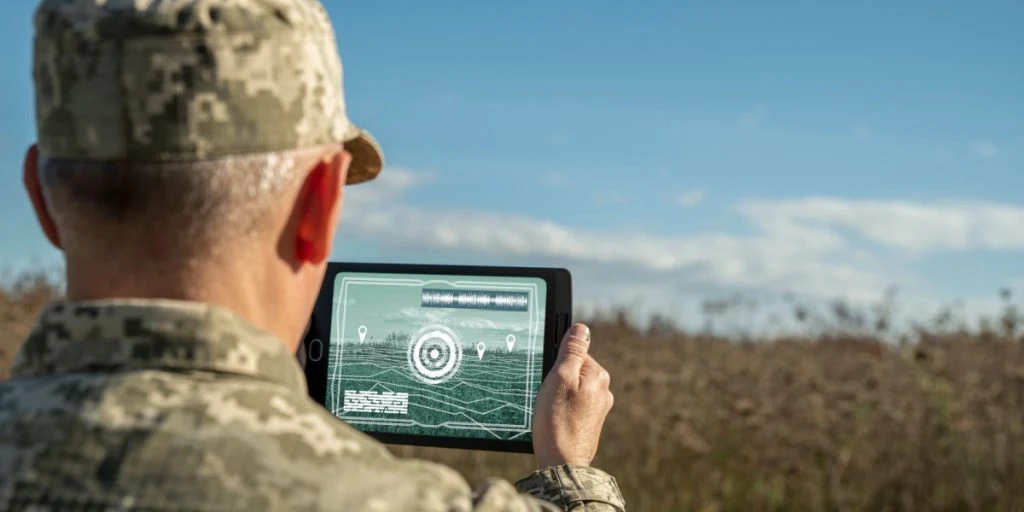
Unmanned systems are now handling a growing share of frontline tasks in Ukraine, with thousands of missions recorded each month. That trend has now led to a result Ukrainian officials say had not been seen before in this war.

Ukrainian forces captured a Russian position using only drones and ground-based robotic platforms, according to United24 and the Office of the President.
Russian troops surrendered, and no Ukrainian soldiers were sent into the assault. No infantry. No reported losses.
President Volodymyr Zelenskyy described the operation as unprecedented.
“For the first time in the history of this war, an enemy position was taken exclusively by unmanned platforms – UGVs and drones. The occupiers surrendered, and this operation was carried out without the participation of infantry and without losses on our side,” Zelenskyy said.


Robots take the lead
This outcome follows months of expanded use of unmanned systems, especially in exposed areas where movement is closely monitored and often targeted.
Ukrainian ground robots carried out more than 9,000 missions in March 2026, contributing to over 22,000 missions in the previous three months, according to United24
Commander-in-Chief Oleksandr Syrskyi said the increase from February was significant, pointing to faster adoption across units.
The number of formations using these systems has risen from 67 in late 2025 to 167 by spring 2026. What was once experimental is now routine.
From support to assault
Platforms such as Ratel, Termit, and Lynx are used to move supplies and evacuate wounded troops, but also to edge toward enemy positions under remote control.
Typically, aerial drones scout ahead, feeding live video, while ground units advance step by step.
Zelenskyy framed the shift in practical terms:
“In other words, lives were saved more than 22,000 times – a robot went into the most dangerous areas instead of a soldier. This is about high technologies in defense of the highest value – human life.”
Other militaries rely heavily on aerial drones, but fully unmanned ground assaults remain rare. That is why this case stands out, even with limited details.
It is not clear how often such operations can be repeated.
Terrain, signal interference, and coordination all matter, and Ukrainian officials have not said where the operation took place or how long it lasted.
For now, the direction is clear. Machines are taking on more of the danger. Whether they can do the same in larger, more complex battles is still uncertain.
Sources: United24



