
 Kenneth Glad
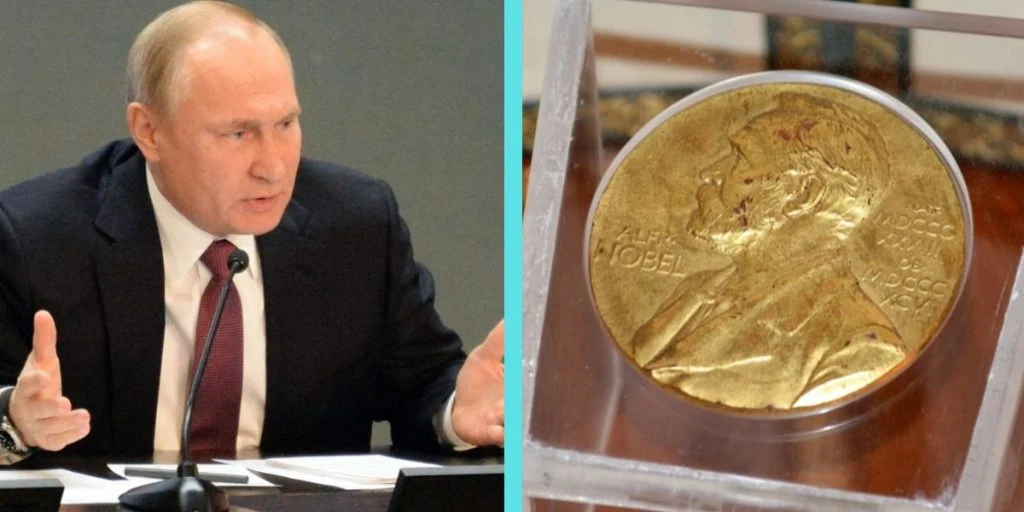
A Kremlin-supported push to create a new international literary award is beginning to take clearer shape, reflecting Moscow’s broader effort to expand its cultural reach at a time of geopolitical strain. The initiative is not only about literature. It points to a growing ambition to redefine who sets the standards for global recognition.

The discussion has been driven by writer Zakhar Prilepin, whose political and military involvement in Ukraine has made him a polarizing figure. He has argued that major international awards increasingly reflect political positioning rather than purely literary merit, writes United24.
Referring to criticism of Russia voiced by Nobel laureates after the 2022 invasion, Prilepin described the prize as a “political instrument.” He has also called for platforms that better represent what he terms the “global majority,” particularly outside Western cultural circles.
Similar critiques have surfaced beyond Russia, where some commentators have questioned whether global awards fully reflect diverse literary traditions, though the Nobel Prize remains widely regarded as the most prestigious in the field.
State support builds
Momentum increased after President Vladimir Putin publicly endorsed the concept during a meeting with cultural figures. He indicated that Russia’s foreign ministry would take a leading role in shaping the project.


“We must do this, we will definitely work on it, I will also work with colleagues directly and instruct the Ministry of Foreign Affairs to do this,” Putin said, The Moscow Times reported.
The effort appears linked to Russia’s existing “Slovo” literary prize, launched in 2024, and to earlier state-level discussions about developing alternatives to Western-led institutions, as reported by United24.
Officials have suggested the award could involve countries across Asia, Africa and Latin America, aligning with Moscow’s emphasis on partnerships beyond Europe and the United States.
Recognition and credibility
Tensions around literary recognition resurfaced when Hungarian writer László Krasznahorkai, who won the 2025 Nobel Prize in Literature, was announced as the latest laureate. Prilepin criticized the decision as a “political instrument” promoting a “Western ideological agenda.”
Some cultural analysts and historians say such initiatives echo Soviet-era strategies, when Moscow invested in parallel cultural institutions to expand its global influence.
Attempts to establish alternative international awards have had mixed success historically. Their impact often depends on whether they attract respected participants beyond their founding countries.
Russia’s latest effort may face the same test. Its long-term credibility is likely to hinge less on political backing and more on whether it can gain genuine recognition within the global literary community.
Sources: United24, The Moscow Times



