
 Kathrine Frich
The definition of genocide is one of the most serious and tightly defined concepts in international law.


Any attempt to broaden or reinterpret it carries significant legal and political consequences.
A recent move in Russia has reignited debate over how the term is being used.
New legislation
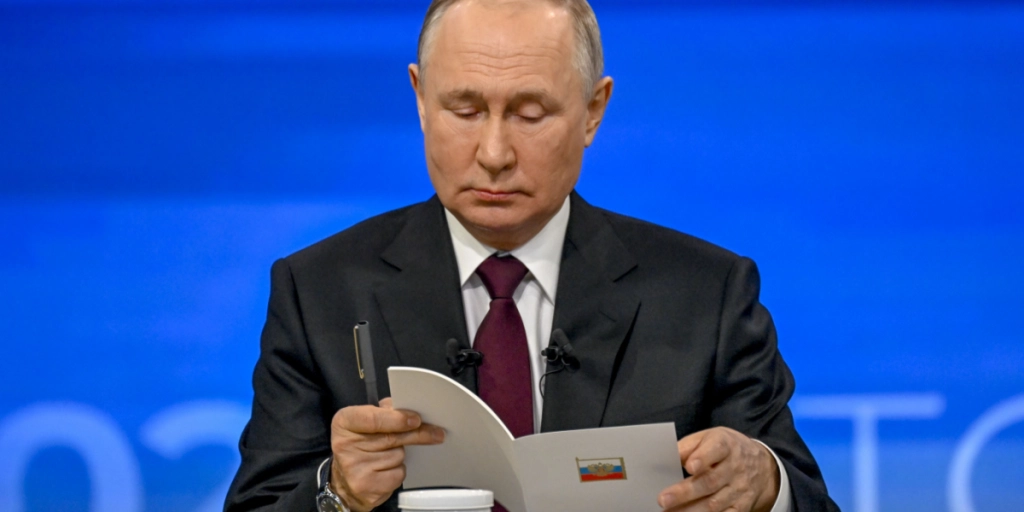
In late March, Russia’s State Duma approved a bill introducing penalties for denying what it calls the “genocide of the Soviet people,” according to commentary by political analyst Arshak Makichyan cited by Moscow Times.
The move followed reports that Moscow’s former Gulag History Museum is being repurposed into a museum focused on the same theme.


The developments come as Russia faces international criticism over its war in Ukraine.
Legal concerns
Makichyan argues that expanding genocide to include the broad category of the “Soviet people” raises serious legal issues.
Under international law, genocide applies to specific national, ethnic, racial, or religious groups, as defined in the Genocide Convention ratified by Russia.
By contrast, the “Soviet people” represented a political and multiethnic entity, which complicates its classification under existing legal standards.
Blurring definitions
The article notes that while Nazi crimes on Soviet territory included mass killings and atrocities, not all meet the legal threshold of genocide.
Historian Konstantin Pakhlyuk warned that “the term ‘genocide’ gets diluted into a synonym for ‘mass killings’,” which risks weakening its meaning.
Makichyan suggests that conflating different forms of violence makes it harder to analyze and prevent such crimes.
Historical context
The commentary highlights that various groups within the Soviet Union were treated differently under Nazi policies.
Jews and Roma were targeted for systematic extermination, while others faced occupation, forced labor, or repression.
It also raises the issue of crimes committed by the Russian Empire and the Soviet Union itself, including deportations and repression against groups such as Chechens, Crimean Tatars, and others.
Broader debate
The article points to ongoing disputes over how genocide is defined and applied.
Examples cited include the Holodomor in Ukraine and more recent conflicts, where legal classifications remain contested.
Makichyan argues that recognizing genocide should involve accountability and consistent legal standards.
The commentary concludes that using the term genocide as a political tool risks undermining international law.
Makichyan writes that genocide is “not a metaphor or political slogan, but one of the most serious categories in international law.”
He adds that without clear legal grounding, such initiatives are difficult to justify.
Sources: The Moscow Times, Arshak Makichyan



