
 Nicolai Haugsted
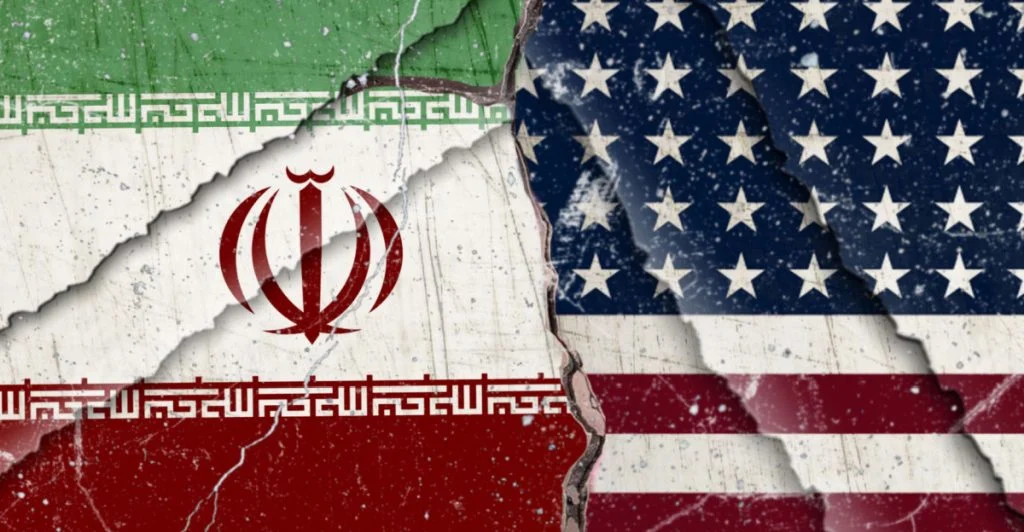
The 14-point plan between the two war nations have been shared with the public.


Washington on Wednesday publicly outlined a 14-point memorandum of understanding agreed with Tehran, offering the clearest picture yet of how both sides intend to stop the fighting, reopen vital shipping routes and begin negotiating a broader settlement.
While the document contains several major commitments, many of the most contentious questions have effectively been pushed into a separate negotiation process scheduled to begin in Switzerland on Friday.
War halted, negotiations begin
At the heart of the agreement is a commitment from both countries to immediately end military operations and avoid future attacks against one another.
Fighting linked to the wider conflict, including operations connected to Lebanon, is also covered under the framework.


Rather than attempting to solve every dispute immediately, the agreement establishes a 60-day negotiating window during which Washington and Tehran will try to hammer out a permanent settlement. Both sides also commit to respecting each other’s sovereignty and avoiding interference in domestic affairs.
Strait of Hormuz set to reopen
Global energy markets are likely to focus on another major element of the pact.
Shipping through the Strait of Hormuz is expected to gradually return after months of disruption tied to the conflict.
Iran has agreed to facilitate commercial traffic through the strategically vital waterway while clearing military obstacles and restoring normal maritime operations. American naval restrictions connected to the conflict are also scheduled to be rolled back under the agreement.
Because roughly a fifth of the world’s oil supply normally passes through the strait, the reopening could carry significant economic implications far beyond the Middle East.
Nuclear questions postponed
Despite the significance of the announcement, the agreement does not provide a final solution to Iran’s nuclear programme.
Tehran reiterates that it will not pursue nuclear weapons, while both countries agree to negotiate the future of Iran’s stockpile of enriched material and other nuclear issues during the next phase of talks.
Current nuclear activities will remain frozen at existing levels while negotiations continue.
Sanctions relief, another major sticking point, is also largely deferred. Washington signals a willingness to eventually remove sanctions, but the details, timing and conditions remain subject to future negotiations.
Massive economic package proposed
Among the most eye-catching provisions is a proposal for a reconstruction and economic development plan worth at least $300 billion.
According to the framework, the United States would work alongside regional partners to support long-term investment and rebuilding efforts inside Iran if a final agreement is reached.
American officials also indicate that restrictions affecting Iranian oil exports and frozen Iranian assets could be eased as part of the broader diplomatic process.
Long road still ahead
For all its ambition, the memorandum functions more as a blueprint than a finished peace treaty.
Multiple issues that have fueled tensions between Washington and Tehran for years remain unresolved, including sanctions, uranium enrichment and the future structure of nuclear oversight.
A monitoring mechanism will be established to oversee compliance, while both governments hope a final agreement can eventually receive backing through a binding United Nations Security Council resolution.
Attention now shifts to Switzerland, where negotiators will attempt to transform a temporary ceasefire framework into a lasting agreement capable of surviving well beyond the current conflict.
(Reuters)



