
 Lauge Risom Koch
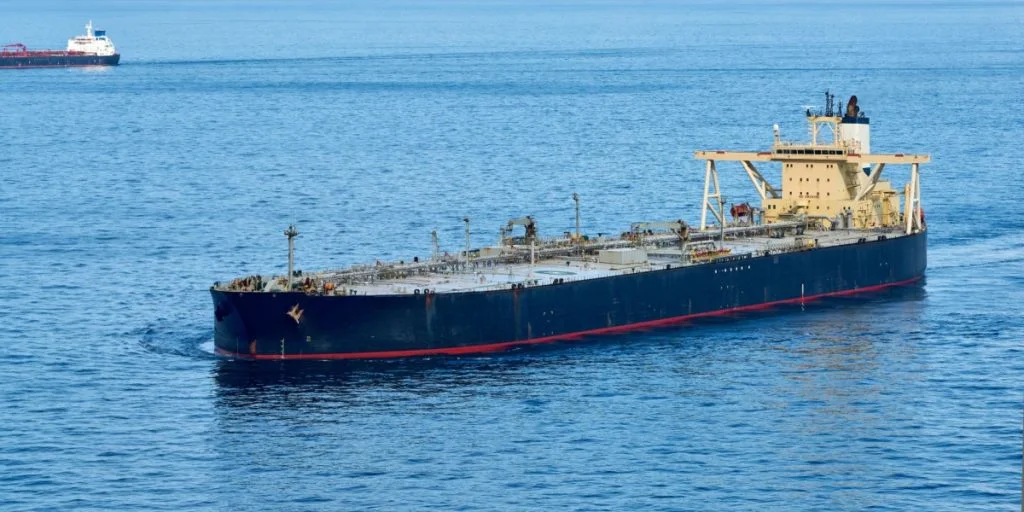
A bipartisan group of U.S. senators has agreed on legislation that would authorize tariffs of up to 500% on Russian imports while expanding sanctions targeting Russia’s energy sector and extending restrictions on Iran.


A bipartisan group of U.S. senators has reached an agreement on new sanctions legislation targeting Russia and Iran, including a proposal that would allow sweeping tariffs on Russian imports and countries that continue buying Russian energy.
According to United24Media, citing Bloomberg, the legislation would give President Donald Trump the authority to impose a 500% baseline tariff on Russian imports into the United States.
Tougher sanctions
The proposal would also authorize an additional 100% tariff on the five largest purchasers of Russian crude oil and natural gas, as well as the five countries deemed to be helping Moscow circumvent energy sanctions.
According to United24Media, citing Bloomberg, the bill would also extend the 1996 Iran Sanctions Act through 2031, although a last-minute amendment limits the new tariff authority to five years.


Supporters argue the measures would reduce revenue flowing to Russia by targeting major energy buyers, including China and India, while critics warn they could strain U.S. trade relations with key economic partners.
Senate vote expected
“There is no doubt that the US government must take stronger action against buyers of Russian energy who are fueling an unjustified war against Ukraine,” stated Senator Ron Wyden and Representative Richard Neal in a July 14 statement.
According to United24Media, citing Bloomberg, the Senate is expected to vote on the bill this week. However, because the House of Representatives is in its August recess, the legislation could not take effect before September if approved.
The report notes that the proposal gives the president broad authority to grant exemptions or delay enforcement, raising questions about how aggressively the sanctions would ultimately be implemented.
Market concerns
According to Bloomberg, previous restrictions on Russian energy exports included temporary waivers introduced after disruptions to global markets following the closure of the Strait of Hormuz during the conflict with Iran.
“At a time when global energy markets remain under significant pressure, further constraining supply risks imposing disproportionate costs on countries already bearing the economic fallout of today’s energy crisis,” said Brett Erickson, managing director of Obsidian Risk Advisors.
Erickson added: “If the goal is to increase economic pressure on Iran, attaching additional Iran provisions to a Russia sanctions bill is unlikely to move the needle in any meaningful way.”
Sources: United24Media, Bloomberg



