
 Nicolai Haugsted
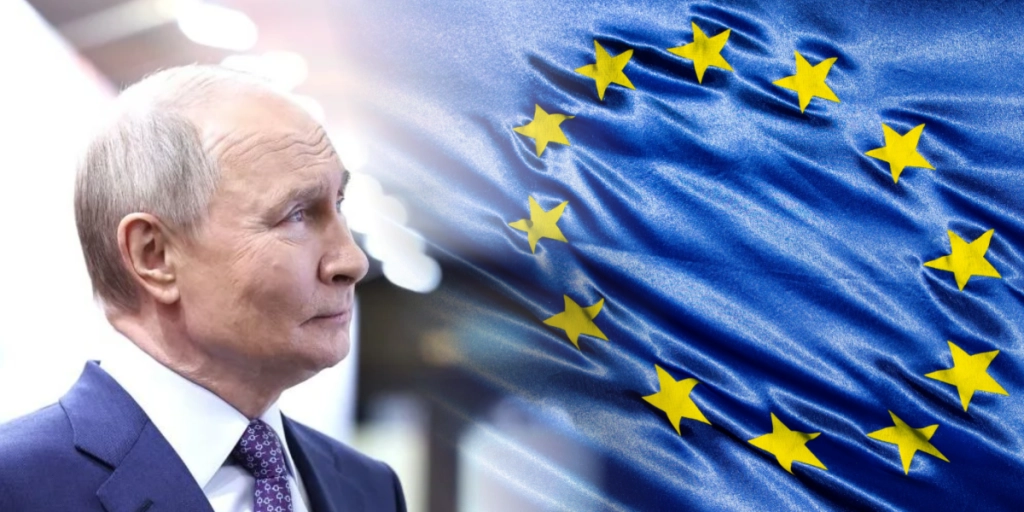
The decrease of support from the US can have dangerous consequences, warns experts


Questions surrounding America’s military footprint in Europe are once again rattling NATO’s eastern flank.
Reports suggesting the Pentagon could suspend the deployment of 4,000 troops to Poland triggered immediate concern across parts of Eastern Europe, where governments increasingly view every troop movement as a signal about Washington’s long-term commitment to regional security.
Concerns spread across Eastern Europe
Discussion surrounding the reported troop suspension intensified during a televised debate on Lithuanian media outlet tv3.lt, where security experts and former diplomats weighed the possible consequences for NATO.
Although Polish officials later denied claims that a reduction had already been approved, the broader conversation exposed growing anxiety about the future of American military presence in Europe.


Analysts believe uncertainty alone is enough to alarm countries positioned closest to Russia’s borders.
Trump strategy raises new questions
Experts pointed toward the Trump administration’s evolving defense strategy, which increasingly expects European countries to shoulder more responsibility for their own security.
Atlantic Council expert Dr. Agnia Grigas argued that Washington has already made its direction clear through recent Pentagon announcements and military reviews across Europe.
According to Grigas, Europe may simply have been psychologically unprepared for how quickly those strategic shifts could begin materializing.
Concerns became even stronger after earlier discussions about reducing American troop levels in Germany while potentially relocating some forces eastward into Poland.
Poland has publicly signaled willingness to host additional US forces, reportedly suggesting capacity for as many as 10,000 troops if necessary.
Lithuanian officials have also indicated they would welcome a stronger American presence.
Poland attempts to calm fears
Former Lithuanian foreign minister and former ambassador to the United States, Vygaudas Ušackas, said recent reports may have overstated the situation.
Ušackas explained he had recently returned from Washington after attending a major American defense conference focused on artificial intelligence and military strategy.
According to him, Polish Defense Ministry statements published shortly before the televised debate rejected claims about a 4,000-troop suspension.
Polish officials instead insisted military cooperation with the United States would continue uninterrupted.
Experts warn about possible scenarios
Security observers nevertheless continue discussing several possible explanations behind the confusion.
Some analysts believe the troop discussions could represent temporary tactical adjustments rather than permanent withdrawals.
Others fear the moves may reflect a broader long-term effort by Washington to reduce its military footprint across Europe.
Most concerning for Baltic states, according to some experts, would be the possibility that troop reductions become tied to future negotiations involving Russia and the war in Ukraine.
Russian President Vladimir Putin has repeatedly criticized NATO’s military presence near Russia’s borders and previously demanded limitations on American forces stationed in Europe.
Eastern flank watching closely
Military officials across Eastern Europe increasingly view uncertainty itself as a strategic risk.
Governments bordering Russia have spent years strengthening defenses while relying heavily on continued American support as the backbone of NATO deterrence.
Questions surrounding troop deployments therefore carry significance far beyond raw numbers.
For countries like Poland and Lithuania, every discussion about American military movements now immediately raises another question: whether Europe is gradually entering a period where it may need to defend itself far more independently than before.



