
 Asger Risom
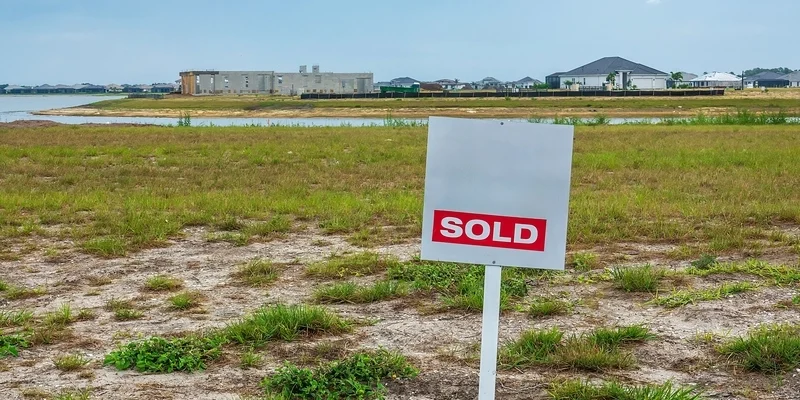
Power companies are increasingly using eminent domain to seize private land for AI data centers, sparking massive outrage among local property owners.


The artificial intelligence boom has triggered a massive nationwide expansion of data center infrastructure, bringing corporate interests into direct conflict with local residents. According to a recent report from Fortune
, power companies are increasingly utilizing eminent domain to seize private land for these controversial development projects. A related analysis by PBS NewsHour details how this legal strategy forces unwilling citizens to sell their property for the construction of high-voltage transmission lines.
The growing data center footprint
There are currently more than 3,000 data centers operating across the United States, with an additional 1,500 facilities actively under development. These massive facilities house the computer servers that process vast amounts of code and data for large language models like ChatGPT. In 2024, these resource-intensive tech hubs accounted for more than four percent of the nation’s total electricity consumption.
As demand for artificial intelligence grows exponentially, utility companies must construct new transmission lines to keep the electrical grid fully operational. This rapid infrastructure expansion frequently requires running high-voltage power lines directly across land belonging to private citizens and local farmers. When property owners inevitably refuse to sell their land voluntarily, utility companies increasingly turn to the aggressive legal tool of eminent domain.
Public backlash and legal battles
Eminent domain represents the government’s inherent power to forcibly seize private property without the consent of the original landowner. The federal constitution allows this aggressive action only if the seizure serves a public use and provides the owner with just compensation. However, citizens argue that seizing their land to build transmission lines exclusively for privately owned corporate data centers violates this constitutional standard.


Polling indicates that seven in ten Americans strongly oppose the construction of artificial intelligence data centers anywhere near their local communities. Residents frequently cite the very real threats of skyrocketing utility bills, excessive noise pollution, and the permanent destruction of natural green spaces. People are becoming increasingly frustrated as billion-dollar corporations force their way into rural neighborhoods while completely ignoring local zoning concerns.
The legal battles surrounding these forced property seizures often hinge on the highly subjective definition of what constitutes a valid public use. In some states, courts have ruled that building power lines qualifies as a public benefit if it slightly improves overall grid reliability. However, other states have strictly prohibited the government from seizing private property purely to benefit another private party’s economic development.
The limits of corporate power
Private landowners have found that challenging condemnation actions in state courts sometimes yields better results than fighting them at the federal level. In Mississippi, a supreme court previously rejected a power company’s condemnation attempt because the transmission lines provided no benefit to in-state customers. As these interstate infrastructure projects multiply, legal experts anticipate a massive surge in lawsuits from citizens desperately trying to protect their homes.
The aggressive expansion of data centers forces society to confront the delicate balance between technological progress and fundamental private property rights. While political leaders often promote artificial intelligence as crucial to national security, everyday citizens are being forced to bear the heavy infrastructural burdens. People whose families have farmed the same land for generations now face the terrifying prospect of losing their property to utility companies.
When a transmission line splinters a working farm, the resulting aesthetic and functional changes drastically diminish the property’s overall market value. Consequently, landowners are strongly advised to hire experienced attorneys to ensure they receive the maximum possible compensation during these forced sales. Unless state legislatures enact stricter eminent domain reform laws, utility companies will likely continue aggressively targeting private land for their expansion projects.



