
 Noah Romsdal Hallundbæk Sørensen
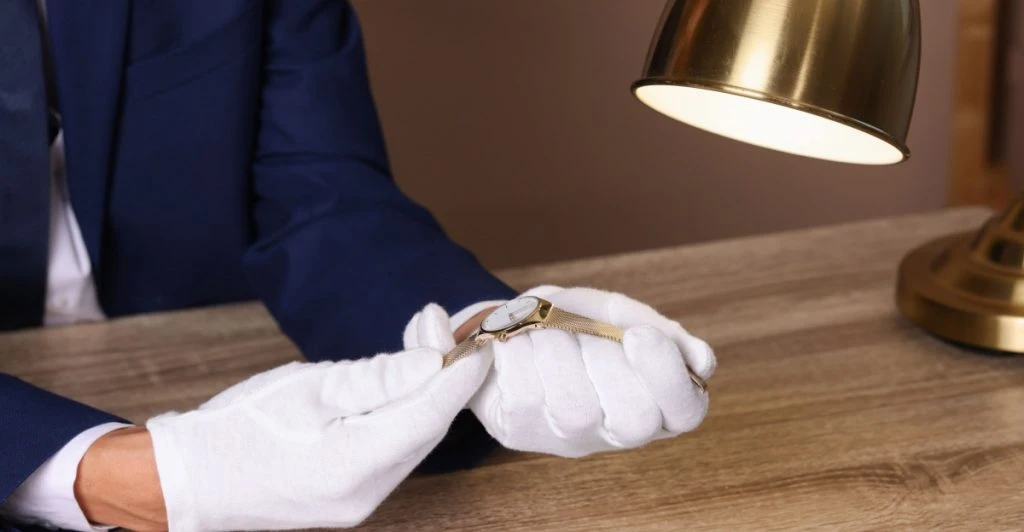
An inherited watch can be priceless, but not always for the reasons you think.
Others are reading now


An old watch passed down through generations can hold powerful memories. But beyond sentiment, some may carry significant financial value.
Determining what an inherited timepiece is really worth is rarely straightforward. Specialists say it often comes down to details many owners overlook.
Jewellery and horology experts at Dawsons Auctioneers have outlined the key factors families should consider before making decisions about a watch discovered in a drawer or handed down with little background information.
Jonathan Pratt, TV Expert and Managing Director at Dawsons Auctioneers, said:


“When a watch has been passed down through a family, it’s often tempting to focus purely on its age. But age alone doesn’t determine value. What really matters is the detail, whether it’s grandpa’s gold pocket watch or a modern wristwatch with its original box and papers.”
The brand matters
According to Dawsons Auctioneers, the maker’s name is usually the first indicator of potential worth. Established luxury brands often attract immediate attention from collectors due to their history of craftsmanship and limited production.
Pratt noted: “Names such as Rolex, Patek Philippe, Omega or Cartier can immediately signal potential interest. But even lesser-known brands can be valuable if they were produced in small numbers or for a specific purpose.”
Experts say that rarity, production context and market demand can sometimes outweigh brand recognition alone.
Metal and condition
Material composition also plays a role, particularly for older watches. Solid gold cases may carry intrinsic value, while plated or gold-filled pieces are assessed differently.
“With an inherited watch, it’s important to understand what the case actually is, whether it’s solid gold, gold-filled, silver-gilt / vermeil, plated or steel. Intrinsic metal value can form part of the baseline, especially for pocket watches, but collector value depends on far more than weight alone,” Pratt explained.
Condition is equally critical. Collectors typically favour original components over restored or replaced parts.
“Original dials, hands, and cases are particularly important to collectors, and overly enthusiastic restoration can sometimes do more harm than good. Boxes, papers, service records and even original straps can all add significantly to a watch’s appeal. For modern watches especially, original boxes and papers can make a meaningful difference to desirability and value.”
The story counts
Beyond materials and branding, provenance can significantly influence auction results. A documented link to a notable figure or historical moment can elevate interest.
“If a watch can be linked to a particular individual, event or period, that provenance can elevate it beyond just a timepiece. This aspect is particularly important for vintage or luxury pieces, where rarity alone may not tell the full story. For example, a modestly priced watch once owned by a notable figure, or associated with a significant moment in history, can see its value multiply simply because of its documented past.”
Specialists also warn against rushing into repairs. Auction houses report that unnecessary polishing or servicing can reduce a watch’s potential value by 20–40%, particularly for collectible models.
“Perhaps most importantly, don’t be tempted to have a watch polished or serviced before seeking advice. A specialist can help you understand exactly what you have, how best to preserve it, and whether it might be something special.”
Sources: Dawsons Auctioneers



