Kenneth Glad
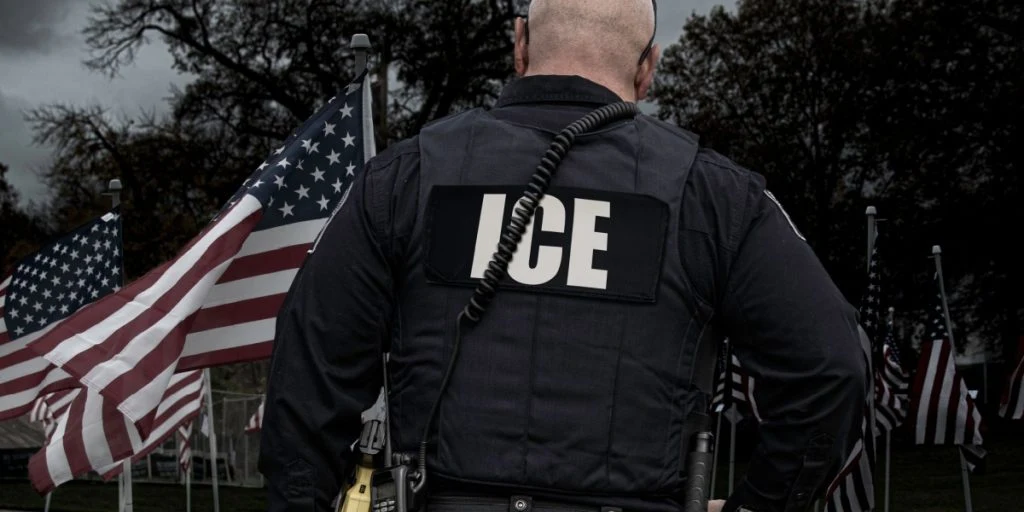
Long after the sirens faded in Minneapolis, the arguments have only grown louder. What began as a controversial immigration crackdown has turned into a courtroom fight with implications far beyond Minnesota. At its core sits a familiar but unresolved tension in U.S. law: when federal agents use deadly force, who has the authority to investigate them?


The friction traces back to a large-scale federal immigration operation in Minneapolis and St. Paul, part of President Donald Trump’s wider deportation campaign. Federal officials described the effort as effective, as reported by the Associated Press.
Local reaction told a different story. The fatal shootings of Renee Good and Alex Pretti, along with other incidents, triggered protests and sharpened criticism from state leaders. Conflicting versions of events only deepened public skepticism.
Minnesota moved early to open its own inquiries instead of waiting on federal reviews. Similar tensions have surfaced before in the U.S., particularly in civil rights-era cases and more recent police oversight disputes, but legal experts often note that direct state investigations into federal agents remain relatively rare.
Not just about evidence
The lawsuit filed this week shifts the battleground. Rather than focusing solely on the shootings, it targets what state officials describe as a deliberate lack of cooperation.


Minnesota argues that federal agencies have declined to share investigative materials needed for state-level probes, a claim detailed by the Associated Press. The cases include the deaths of Good and Pretti, as well as the shooting of Julio Cesar Sosa-Celis.
Hennepin County Attorney Mary Moriarty said: “We are prepared to fight for transparency and accountability that the federal government is desperate to avoid.”
She added: “There has to be an investigation any time a federal agent or a state agent takes the life of a person in our community.”
Here’s what makes this unusual: the case is not just about accountability after the fact, but about whether a state can compel cooperation from federal authorities while an investigation is still unfolding.
A case in focus
Developments in the Sosa-Celis case have intensified scrutiny. As reported by AP, prosecutors dropped earlier charges against him, and investigators are now examining whether federal agents provided false testimony.
The Justice Department’s response has also drawn attention. According to the Associated Press, officials opened a civil rights investigation into Pretti’s killing but declined to do so in Good’s case. Deputy Attorney General Todd Blanche said such decisions depend on whether circumstances “warrant an investigation.”
That uneven approach has done little to ease doubts in Minnesota. More than 1,000 tips have already been submitted to state investigators, reflecting a high level of public concern.
If Minnesota prevails, it could mark a shift in how states challenge federal law enforcement authority. If it fails, the boundary becomes clearer—and harder to cross.
Sources: Associated Press (AP)