
 Kenneth Glad
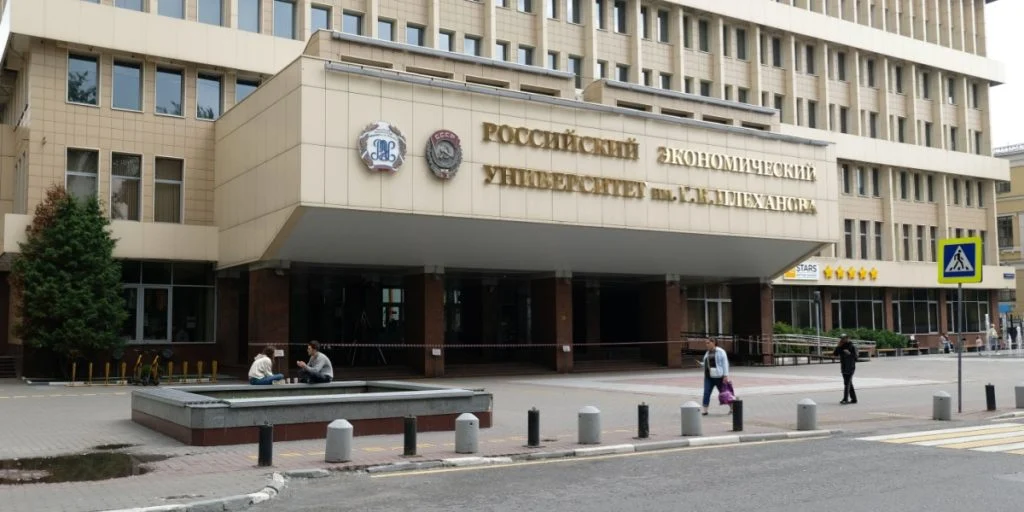
The institutions of education are increasingly entangled in the country’s war effort, as recruitment campaigns move deeper into academic life. What officials frame as voluntary service is, according to multiple reports, unfolding alongside pressure, incentives and legal uncertainty. The shift is deliberate.

Investigations by T-Invariant indicate that some universities face internal expectations to supply dozens, and in some cases hundreds, of recruits. Institutions publicly insist they are only informing students of opportunities.
Human rights group Idite Lesom draws a sharper conclusion, writes The Moscow Times. Recruitment drives have intensified since January, often timed with exam periods when students are under the most strain.
For those at risk of failing, the message can land differently.
Pressure points
On campuses, the approach is subtle but persistent.


Students encounter recruitment through meetings, faculty-linked events and administrative channels, where military service is positioned as a way to resolve academic or financial problems. In certain cases, signing a contract can halt expulsion or freeze poor grades.
At a Novosibirsk college, administrators openly challenged students’ reluctance to enlist, questioning their sense of duty, according to The Moscow Times and T-Invariant.
Elsewhere, universities promote carefully curated success stories, presenting enlistment as both respectable and pragmatic.
Not everyone is convinced. A postgraduate student cited by The Moscow-based outlet said many lecturers avoid encouraging contracts, suggesting quiet resistance within parts of academia.
Incentives and consequences
The financial terms are striking. Packages include salaries of up to 7 million rubles a year, alongside bonuses and the option to pause studies without losing a place.
That promise carries weight, especially for students under financial pressure.
Officials often highlight technical roles, such as drone operations, implying a degree of distance from direct combat.
Legal experts, however, warn that these assurances can be misleading. Sergei Krivenko of human rights group Citizen.Army.Law said to the Moscow Times: “They offer a one-year contract, but don’t mention that once the term is up, the contract cannot be terminated by decree.”
Other lawyers note that deployment terms can shift quickly, regardless of initial expectations.
Students are aware of the gap between promise and reality. Reporting by Sibir.Realii suggests many weigh the short-term benefits against uncertain long-term risks.
As recruitment expands through universities, higher education is being reshaped into something more complex, where academic futures and military obligations are becoming increasingly difficult to separate.
Sources: The Moscow Times, T-invariant, Idite Lesom, Sibir.Realii



