
 Kenneth Glad
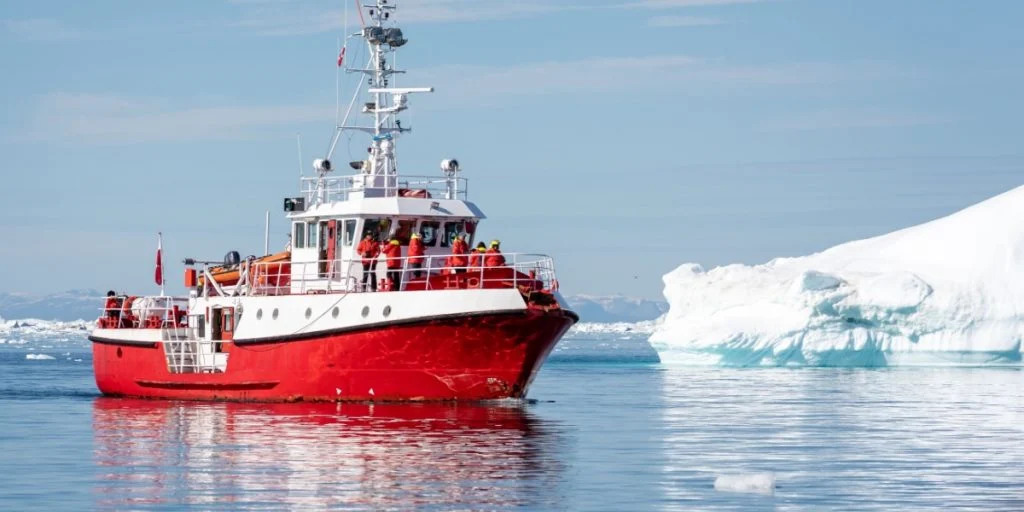
A fight over one of the world’s smallest marine species is exposing bigger cracks in how the oceans are governed. In Antarctic waters, regulators, scientists and fishing nations are struggling to agree on limits as demand continues to rise. The decisions made here could set a precedent for how global fisheries are managed under climate stress.


Antarctic krill fishing is capped at roughly 620,000 tonnes a year under rules set by the Commission for the Conservation of Antarctic Marine Living Resources (CCAMLR). The catch feeds aquaculture supply chains and a lucrative market for omega-3 products.
But consensus is difficult. Norway, home to major commercial operators, has supported expanding access, while China has rapidly scaled up its distant water fleet, increasing competition in the region.
CCAMLR has so far held its position. The body said current data does not demonstrate widespread ecosystem harm, noting there is no evidence of “any specific threat to krill as a keystone species or to Antarctic marine ecosystems more broadly.”
Uneven impacts
That assessment is increasingly debated. Reporting by The Guardian, along with analysis from WWF and independent marine researchers, highlights a key concern: Fishing is not evenly distributed.


Effort is concentrated in narrow zones and peak seasons, particularly around the Antarctic Peninsula during the southern summer. Scientists argue this clustering can create local shortages, even if overall biomass appears stable.
For predators that rely on predictable feeding grounds, timing and location matter. Some studies suggest changes in whale and penguin breeding success in heavily fished areas, pointing to growing competition for food.
Krill also help store carbon by moving it to deeper waters. A decline in dense populations could weaken this function, linking fishing pressure to climate processes.
Close quarters at sea
On the water, the scale is striking. Modern factory vessels, some stretching well over 100 metres, process catches onboard while support ships deliver fuel and remove cargo, allowing fleets to remain in operation for weeks.
The Guardian reports that campaign group Sea Shepherd has moved in to document these activities, aiming to bring visibility to a largely unseen industry.
Crew member Luci Connelly described the conditions bluntly: “The smell of these krill trawlers is like a rancid fish and chip shop.”
Operators insist their activities are tightly regulated and represent a small share of total krill stocks. Critics argue that gaps in data make those assurances difficult to verify.
A decisive moment
What is becoming clear is that regulation is lagging behind both industrial capacity and environmental change.
Decisions are being made with incomplete data, in a region already under pressure from warming seas.
Baptiste Brebel of Sea Shepherd warned: “Without robust evidence to assess ecological impacts, the push to raise catch trigger limits risks irreversible damage to one of our planet’s last true wildernesses.”
Whether policymakers act cautiously or allow expansion may define not just the future of Antarctic wildlife, but how far precaution is applied in managing the global ocean.
Sources: The Guardian; WWF; CCAMLR



