
 Edith Hejberg

Some parents welcome the ban, calling it long overdue, while others are deeply concerned.


Australia has become the first country to enforce a nationwide ban preventing anyone under the age of 16 from using major social media platforms. From December 10, platforms like TikTok, Instagram, Facebook, Snapchat, YouTube, X, and more must remove existing underage accounts and block new ones from being created.
Millions of young users locked out

The immediate impact is huge, millions of children and teenagers have lost access to their accounts almost overnight.
Apps like Threads, Reddit, Twitch, and Kick are also included in the sweeping restrictions. The companies risk fines of up to AU$49.5 million if they fail to comply.
Cracks in enforcement already showing

Despite the rollout, the ban isn’t watertight. Some teens have reportedly slipped through the cracks by passing facial age-verification tests.


Authorities admit the system won’t be flawless from day one, but say the goal is to send a strong national message about online safety.
Most platforms comply, but X stays vague

All the named platforms except X have confirmed compliance. The eSafety commissioner, Julie Inman Grant, said her office has spoken with X but the company has yet to announce a clear plan or notify users of any policy changes.
Teens scramble to prepare for account loss

In the lead-up to the ban, underage users scrambled to swap contact details, verify their ages, or brace for account deletion.
The company k-ID, which provides age-checking services for platforms like Snapchat, said it conducted hundreds of thousands of verifications in recent weeks.
Mixed reactions from parents

Some parents welcome the ban, calling it long overdue, while others are deeply concerned.
One mother told The Guardian her daughter was devastated, fearing she’d be excluded from social activities since her friends had falsely passed verification checks and could stay online.
Workarounds spark ethical debate

Not all parents are on board with the rules. One father admitted he had actively helped his daughter bypass age gates using VPNs and fake adult accounts.
He justified his actions by saying, “I’ve had to teach her how to break the law to stay connected.”
For others, the ban is a relief

While some families are finding ways around the system, others see the ban as a necessary lifeline.
One parent said their daughter was “completely addicted” to social media and that the ban “gives us the support to keep her off these platforms.”
Albanese defends ‘clear national standard’
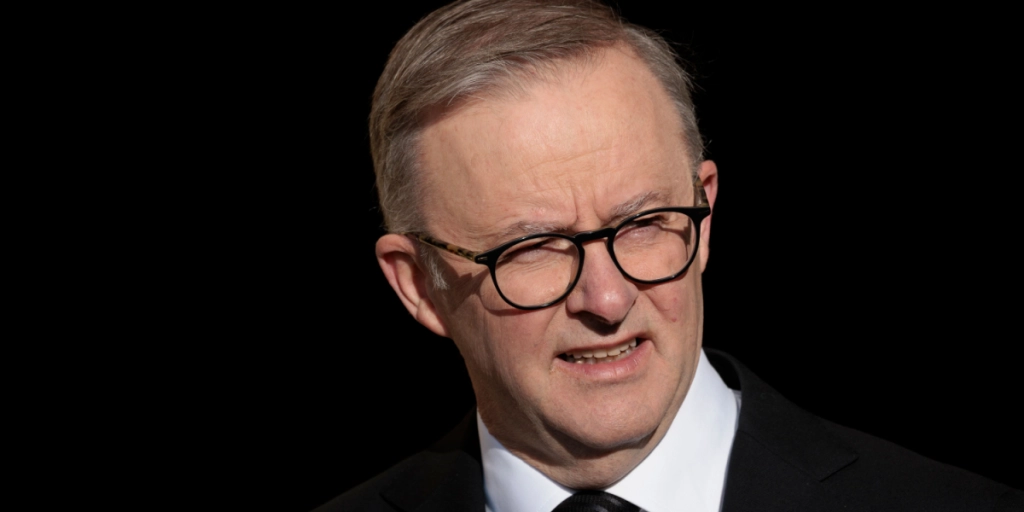
Prime minister Anthony Albanese defended the policy, comparing it to underage drinking laws.
“We don’t expect perfection, but the value of having a national standard is clear,” he said. His government says the move balances personal freedom with societal responsibility.
Global attention and growing momentum

The ban has sparked interest worldwide. Countries like Malaysia, Denmark, and Norway have signaled they may follow suit.
The European Union passed a resolution supporting similar age-based restrictions, and the UK is watching Australia’s rollout closely.
Regulator monitoring platform compliance

From December 12, eSafety will begin formally checking how well platforms are enforcing the rules.
Companies must report how many accounts they’ve removed, what challenges they’re facing, and how they’re handling appeals or attempts to circumvent the ban.
Experts to evaluate short- and long-term impact

An academic advisory group will independently evaluate the ban’s effects, both positive and unintended.
They’ll look at everything from mental health to education outcomes, including sleep patterns, medication use, reading habits, and school performance.
Teens seek alternatives as apps shift

Some teens tried to stay connected by sharing their phone numbers publicly before losing access.
Platforms like Snapchat have urged teens not to share personal contact details. Meanwhile, apps like Yope and Lemon8 surged in popularity, prompting the regulator to request self-assessments from 15 additional platforms.



