
 Kenneth Glad
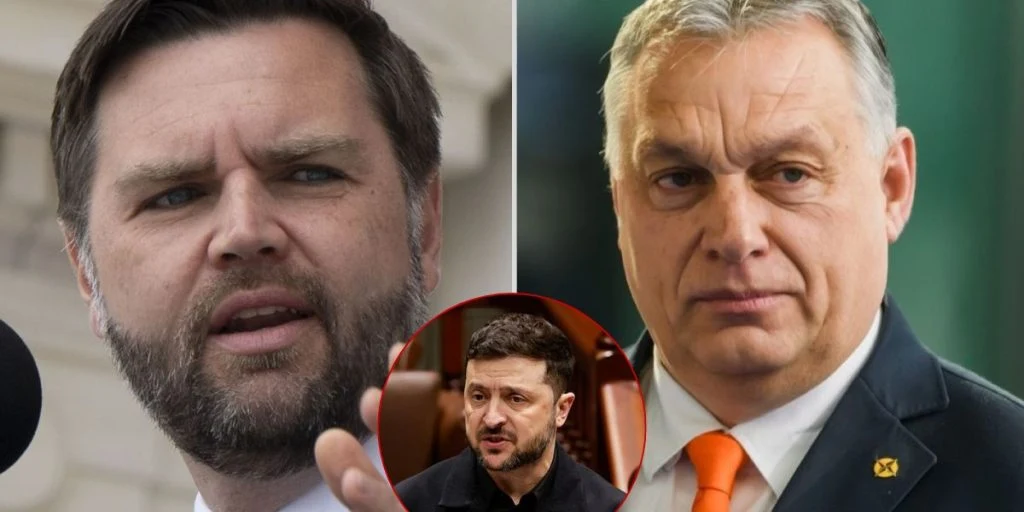
Hungary’s upcoming election is no longer just a domestic contest. It has turned into a focal point for competing narratives about influence, sovereignty and alliances across Europe and beyond. The clash now pulls in Washington, Brussels and Kyiv, each framing the stakes in sharply different ways.


Berlin moved quickly to counter recent claims from US Vice President JD Vance, rejecting suggestions that the European Union is trying to sway Hungary’s vote.
Government spokesperson Sebastian Hille stated, “We reject the accusations of Vice President Vance,” reaffirming that Germany does not favour any political outcome within the EU.
He also pointed to the timing of Vance’s intervention, noting it came just days before polling. As reported by Digi24, officials in Berlin stressed that election results across the EU bloc are a matter for national voters alone.
The exchange highlights deeper divisions inside the EU, where Hungary has long clashed with Brussels over rule-of-law standards, migration policy and access to funding.


Campaign and context
Prime Minister Viktor Orbán, in power for more than 15 years, faces a rare electoral test. Reuters writes that the opposition Tisza party, led by Peter Magyar, is ahead in several surveys, with some polls suggesting a lead of nearly 20 points.
That pressure has pushed foreign policy issues into the heart of the campaign. Hungary’s leadership argues it is being singled out by external actors, while critics say Orbán’s positions have distanced the country from key EU and NATO partners.
Energy has become part of that argument. Budapest links recent disruptions in Russian oil transit through the Druzhba pipeline to political pressure, while Kyiv attributes the situation to damage caused by Russian attacks.
The dispute feeds directly into campaign messaging about sovereignty and external leverage.
Vance and Zelenskyy
Against this backdrop, Vance used a visit to Budapest where he echoed Orbán’s stance and widened the debate. His remarks referenced comments made by Ukrainian President Volodymyr Zelenskyy on March 5, when he criticised delays to a proposed €90 billion EU loan package for Ukraine.
Reuters reported that Zelenskyy pointed to a single EU leader blocking the aid and suggested those responsible could be confronted more directly, reflecting frustration over stalled military support.
Vance responded: “It is absolutely outrageous,” adding that “a foreign head of government should never threaten the leader of an allied nation.”
He questioned whether actions affecting Hungary’s energy supply, alongside EU financial measures, could amount to political interference. He furthermore argued that criticism of Budapest from Brussels reflects disagreement with Orbán rather than neutrality.
The episode shows how Hungary’s election has become a key test for EU unity, future support for Ukraine, and the influence of US-aligned political movements in Europe.
Sources: Digi24, Reuters



