
 Edith Hejberg

Authorities said the pardons apply to a wide range of inmates.
Those included young people, women, foreigners, and people over 60.

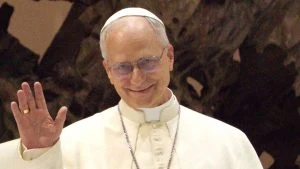
Cuba’s government says it will free 2,010 prisoners in one of the largest releases in years.
The announcement came Thursday in a statement published by the Communist Party’s official newspaper, Granma.
It marks a major development as the country faces mounting external and internal pressure.
Officials framed the move as a humanitarian gesture tied to religious celebrations.
Who will be released

Authorities said the pardons apply to a wide range of inmates.
Those included young people, women, foreigners, and people over 60.
Each case was reviewed individually before approval.
The government emphasized that not all prisoners qualify for release.
How decisions were made

Officials said the decision was based on several factors.
These included good behavior in prison and the portion of sentence already served.
Health conditions were also taken into account.
The nature of the crimes committed played a central role in the review process.
Crimes excluded from the pardon

Not all prisoners will benefit from the move.
Those convicted of serious crimes such as murder, homicide, or sexual assault are excluded.
Offenses categorized as “crimes against authority” are also not eligible.
This suggests the government is drawing a firm line around certain cases.


Questions over political prisoners
Cuba has long been accused of detaining political opponents.
Human rights groups say activists, journalists, and protesters are often targeted.
It remains unclear whether any political prisoners are among those released.
The government does not officially recognize the existence of such detainees.
A pattern of strategic releases

This is not the first time Cuba has carried out a large-scale release.
In early 2025, hundreds of prisoners were freed after negotiations involving the US and the Vatican.
Such moves have often coincided with diplomatic efforts or international pressure.
They are frequently presented as goodwill gestures.
Tensions with the Trump administration
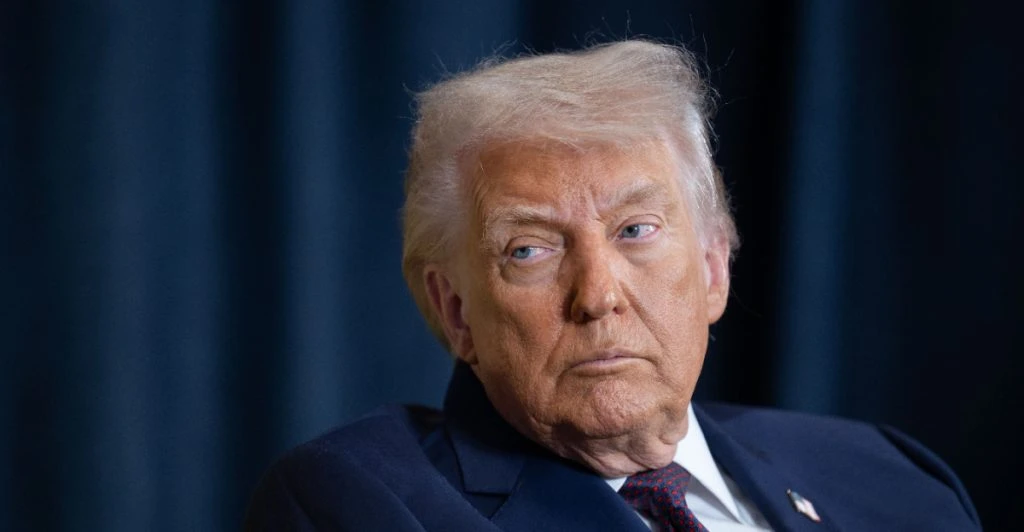
The latest release comes amid rising tensions with Washington.
President Donald Trump has taken a hardline approach toward Cuba.
His administration has pushed for major political and economic reforms on the island.
Pressure has intensified in recent months.
Oil blockade tightens the crisis

A key element of US pressure has been an effective oil blockade.
The move has sharply reduced Cuba’s access to fuel.
This has worsened the country’s already fragile economic situation.
Energy shortages are now a daily reality for many citizens.
A country running out of fuel

Cuba relies heavily on imported oil to function.
Fuel is essential for electricity generation and transportation.
With supplies dwindling, the island is facing a deepening energy crisis.
The shortage is affecting nearly every part of daily life.
Nationwide blackouts and disruption
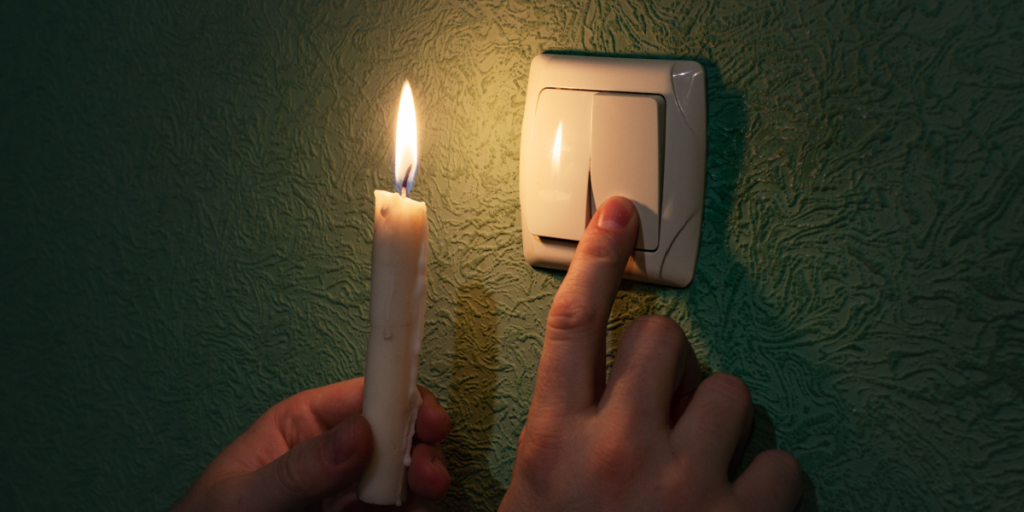
Power outages have become more frequent and severe.
At one point, Cuba experienced two nationwide blackouts in a single week.
Millions of people were left without electricity.
The outages have added to growing frustration across the country.
Daily life grinds to a halt

The crisis is now visible in everyday life.
Schools have suspended classes to conserve energy.
Some workers have been furloughed as businesses struggle.
Flights have also been canceled due to a lack of jet fuel.
Mixed signals from Washington
Despite the pressure campaign, there have been moments of flexibility.
Trump recently allowed a Russian oil tanker to enter Cuban waters.
“They have to survive,” he said at the time.
However, US officials later stressed that this did not signal a broader policy shift.
Decades of strained relations
Tensions between the US and Cuba date back decades.
Since the 1959 revolution led by Fidel Castro, the US has maintained a strict embargo.
The policy has limited trade and investment on the island.
Today’s crisis reflects both long-standing restrictions and new geopolitical pressure.



