
 Edith Hejberg
At a military base near Warsaw, civilians, young and old, try on gas masks, explore air-raid shelters, and learn survival tactics.

In response to mounting regional tensions, Poland has launched a nationwide training initiative to prepare its citizens for the possibility of war.
The program aims to equip 400,000 civilians with basic survival and defense skills by 2027. With war raging in neighboring Ukraine and incidents spilling over the border, the government is shifting from passive defense to active readiness.
Remembering old fears, preparing for new ones

At a military base near Warsaw, civilians, young and old, try on gas masks, explore air-raid shelters, and learn survival tactics.
Among them is Cezary Pruszko, 60, who recalls similar civil defense drills from communist-era Poland. “My generation grew up with these threats. No one had to explain why they were important,” he says.


‘The most dangerous times since WWII’
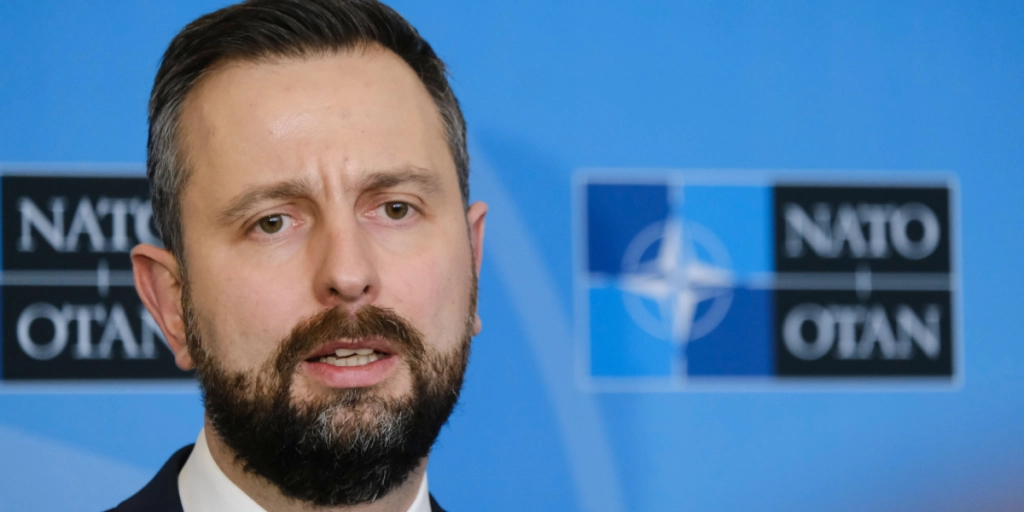
Poland’s defense minister, Władysław Kosiniak-Kamysz, didn’t mince words at the launch of the program.
“We are living in the most dangerous times since the end of World War II,” he declared. The government is calling on all citizens, students, workers, and retirees, to learn how to act in times of crisis.
Growing threats along the eastern border

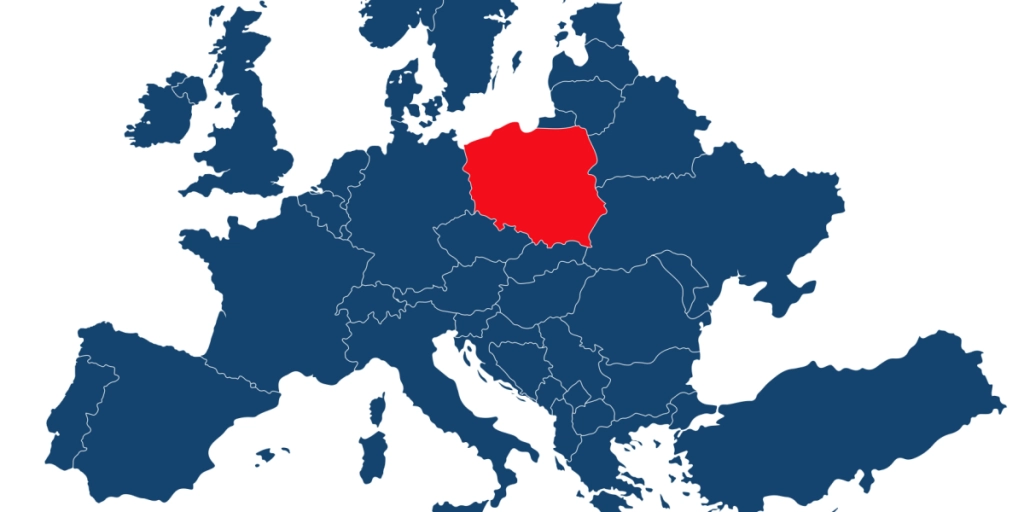
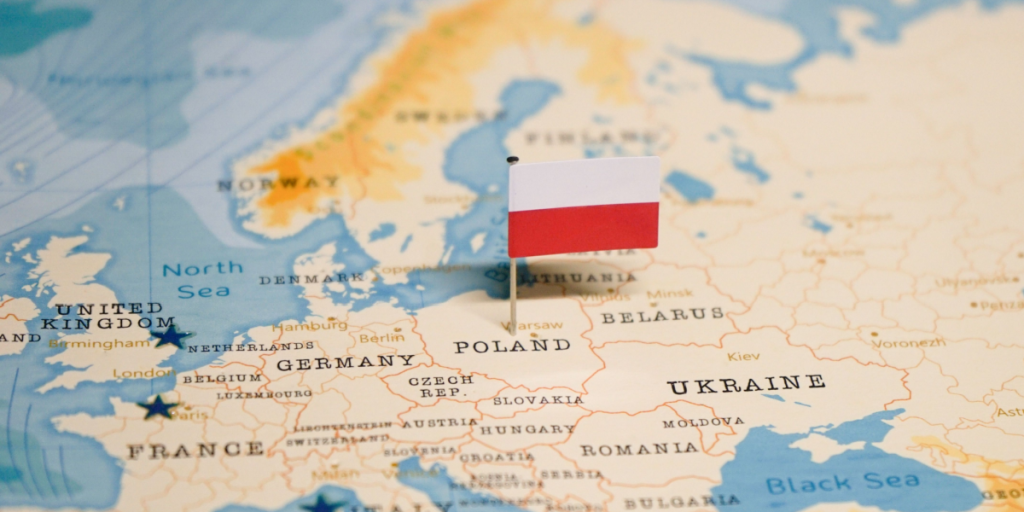
Poland’s proximity to Belarus and Russia has placed it on the frontlines of potential conflict. In recent months, drone incursions and sabotage attempts, blamed on Moscow, have stirred anxiety.
A railway bombing in November highlighted the risk, prompting renewed investment in national defense and infrastructure.
Record-high defense spending
Warsaw is responding with significant increases in military funding. In 2026, Poland’s defense budget is set to rise to 4.8% of GDP, far above most NATO members.
New construction projects are now required to include bomb shelters, while older buildings are being retrofitted for emergency use.
Building the ‘eastern shield’

As part of its long-term security strategy, Poland has begun building a defensive barrier along its borders with Belarus and the Russian exclave of Kaliningrad.
The project, dubbed the “eastern shield”, includes physical fortifications, trenches, and anti-drone systems designed to slow or prevent incursions.
Military drills highlight modern threats
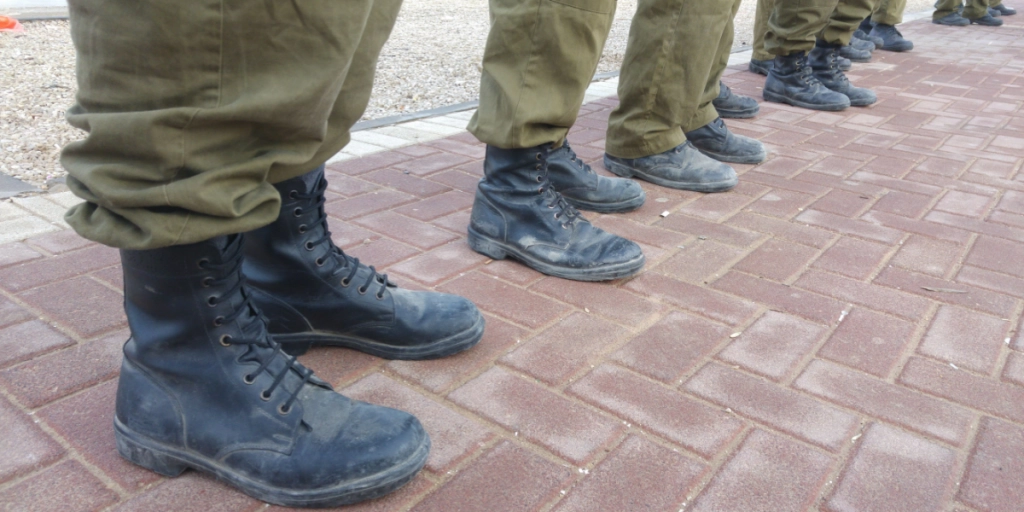
Joint exercises like “Iron Defender,” held with NATO forces in Wierzbiny, underscore Poland’s focus on hybrid warfare.
Captain Karol Frankowski recalls training in Germany under a simulated martial law scenario. “We practiced for hybrid attacks—sabotage, disinformation, and civil unrest,” he says.
Drones, sabotage, and shifting tactics

General Roman Brudlo, head of the 9th Armored Cavalry Brigade, says Poland can no longer rely solely on conventional defense.
“The quiet times are behind us,” he warns. “Reading intelligence reports, some say we could face a large-scale invasion in a year, two, or five. I hope not—but we must be ready.”
Illegal migration seen as a weapon

Military leaders believe Russia and Belarus are using illegal migration to destabilize Poland’s borders.
Troops now assist border patrols to detect and deter crossings. “We don’t know who these people are, they could be spies or agents of chaos,” says Frankowski, echoing concerns from both past and present governments.
Humanitarian concerns pushed aside
Activists like Aleksandra Chrzanowska warn that Poland’s sharp security focus has come at a cost.
“Public attention has shifted so much towards national defense that the real refugee drama no longer interests anyone,” she says, pointing to the diminishing empathy for those caught in the middle.
Communities prepare for the unknown
In towns near the border, like Gołdap, residents live with daily reminders of geopolitical tension.
Still, locals like high school director Piotr Bartoszuk feel safer away from major cities. “Honestly, I’d be more worried if I lived in Warsaw. We wouldn’t be the main target,” he says.
The next generation steps up

Fifteen-year-old Kornelia Brzezińska is among the youth taking part in her school’s military program. “If Poland was attacked, I would go to the front.
I love my country. I would never abandon it,” she says, reflecting a rising sense of patriotism among Polish teens.
‘I hope we never need these skills’
As the training wraps up for the day, Pruszko reflects on the experience. “Many young people grew up in peace, without the fears we remember,” he says.
“I hope they never need to use what we’re learning, but I want my people to be ready if they do.”



