
 Jens Asbjørn Bøgen
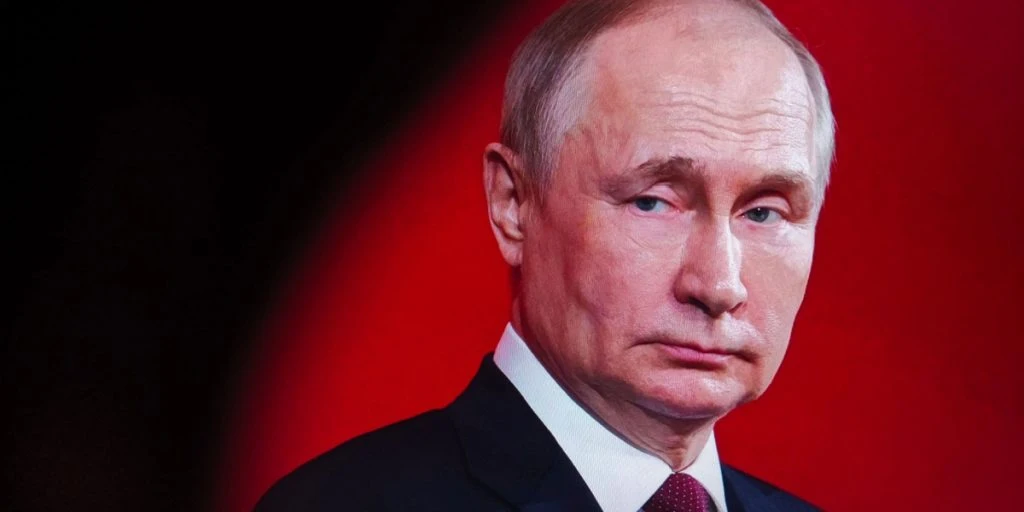
Putin predicted that Ukraine will lose its Western territories in the future.


During a recent address, Putin claimed that Ukraine would eventually lose its western lands.
He argued that territory once connected to Poland, Hungary, and Romania would return to those nations whether in one year, two years, or fifteen years, saying, “I am confident that sooner or later Ukraine will lose these western territories, lands that once belonged to Poland, Hungary and Romania.”
The Russian leader framed the potential breakup of western Ukrainian territory as an inevitable historical outcome.
While Putin is right when he says parts of what is now Ukraine have previously been territories of other nations, including the Polish-Lithuanian Commonwealth from the 14th through the 18th century, the borders of Ukraine have been internationally recognized since the country gained independence in 1991.


And according to Poland, it is going to stay that way.
False speculations
Following Putin’s prediction about the future, Polish Foreign Ministry spokesperson Maciej Wewiór posted a direct statement on X to set the record straight.
Wewiór stated that Warsaw unequivocally rejected Putin’s false speculations about the potential partition, while making it clear that Poland will never have any territorial claims on Ukraine.
“Russian disinformation will not distract attention from Moscow’s brutal aggression,” Wewiór wrote in his public post. Polish officials emphasized that their commitment to Kyiv remains entirely unchanged.
Click to display external content from x,
- You can always enable and disable third-party content.

You agree to display external third-party content. Personal data may be sent to the provider of the content and other third-party services.
Standing with Kyiv
Polish representatives described the Kremlin’s rhetoric as a cynical attempt to drive a wedge between allies.
They reaffirmed complete support for Ukraine’s full sovereignty and territorial integrity.
Diplomats point out that Kremlin messaging often relies on historical arguments to sow doubt among neighboring states. By suggesting that allies harbor secret ambitions, Moscow hopes to weaken public support for Ukraine.
Regional pressure
The diplomatic clash comes alongside other recent instances of Russian state narratives targeting regional stability. European leaders see a deliberate pattern.
In Lithuania and neighboring Baltic nations, officials recently had to refute claims originating from Russian representatives. Moscow alleged that those countries were preparing for mass deportations of Russian-speaking residents.
Baltic leaders dismissed those allegations as another attempt to create domestic fear and panic. European diplomats continue to urge unity as they counter coordinated claims designed to fragment international support.



