
 Edith Hejberg

January’s revenues were also well below December’s results. In the final month of 2025, oil and gas income stood at 447.8 billion rubles.


Russia’s revenues from oil and gas sales fell sharply in January, dropping to their lowest level since July 2020. According to Reuters, the decline marks a major setback for one of the Kremlin’s most important income streams. The slump highlights the growing pressure on Russia’s economy nearly four years into the full-scale war.
Nearly half wiped out year on year

In January, oil and gas revenues fell by almost 50% compared to the same month last year. Income from energy exports totaled 393.3 billion rubles, or about $5.1 billion. That figure underscores how dramatically conditions have worsened for Russia’s energy sector.
Lower than the previous month
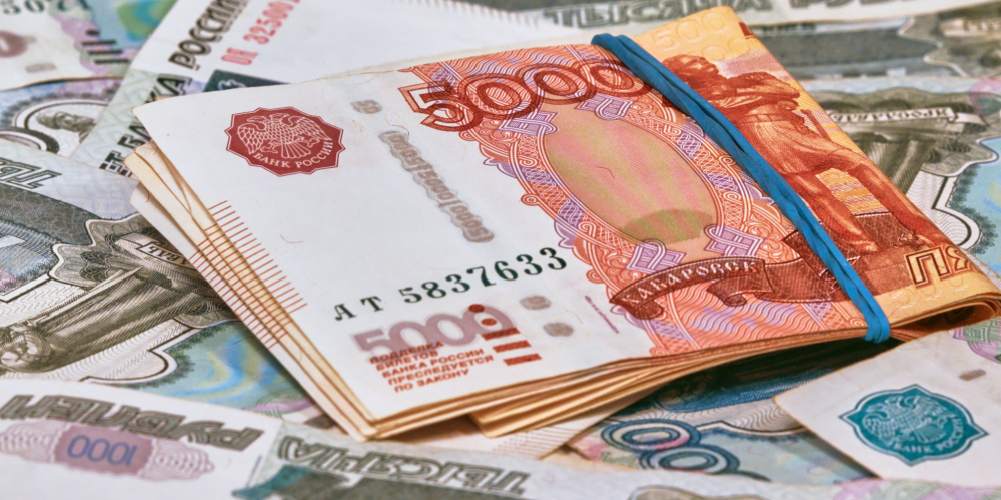
January’s revenues were also well below December’s results. In the final month of 2025, oil and gas income stood at 447.8 billion rubles. The month-on-month drop points to a sustained downward trend rather than a one-off fluctuation.
Global oil prices weigh heavily
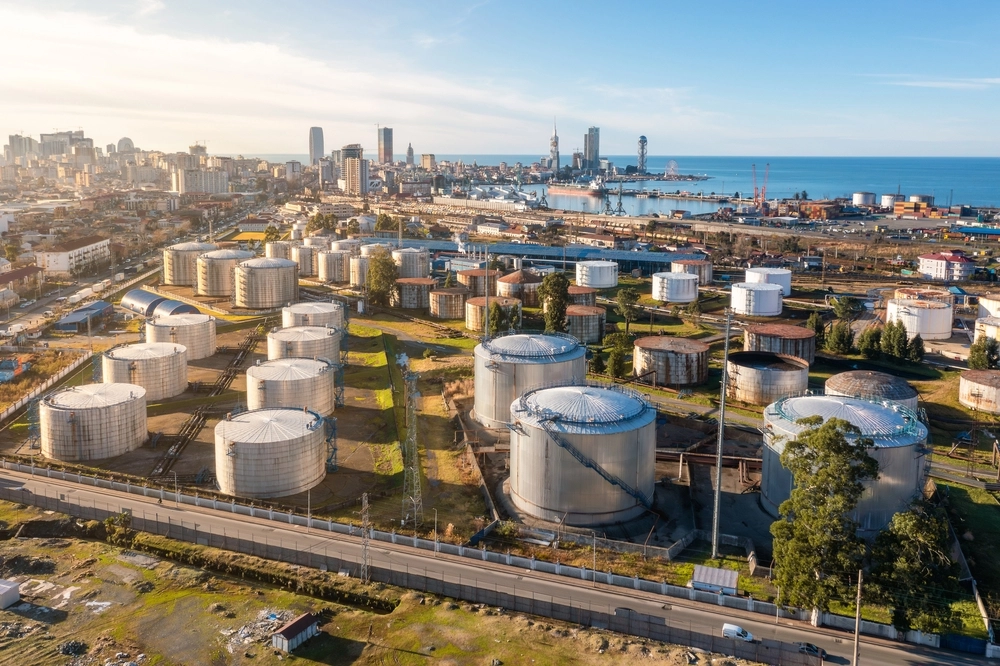
One of the main drivers behind the decline was weaker global crude oil prices. As international benchmarks softened, Russia earned less per barrel, cutting directly into export revenues. This has reduced the financial cushion Moscow relies on.


A stronger ruble adds pressure

The strengthening of the Russian ruble also played a role. While a firmer currency can help tame inflation, it reduces the value of export earnings when converted into rubles. For an export-driven sector like energy, this effect is significant.
A pillar of the federal budget

Oil and gas revenues remain a cornerstone of Russia’s public finances. They account for nearly a quarter of total federal budget revenues. Any sustained fall therefore creates serious challenges for fiscal planning.
Rising spending meets falling income

The revenue slump comes as defense and security spending continues to climb. In 2025, Russia’s budget deficit reached 5.6 trillion rubles, or 2.6% of GDP. Much of that spending is tied directly to the war against Ukraine.
Forecasts for 2026 look ambitious

Despite current setbacks, the Russian government projects oil and gas revenues of 8.92 trillion rubles in 2026. Total budget revenues are forecast at 40.283 trillion rubles. These expectations may prove difficult to meet if current trends persist.
Last year’s warning signs
Even before January’s plunge, the picture was bleak. By the end of last year, federal budget revenues from oil and gas had fallen by 24% to 8.48 trillion rubles. That was already the lowest level recorded since 2020.
Targeting Russia’s economic lifeline

Ukraine and its Western allies have repeatedly said they aim to force Russia to end the war by weakening its economy. The oil and gas sector has been a primary target, given its central role in funding the state.
Strikes on the shadow fleet

Late last year, Ukraine carried out a series of successful strikes on oil tankers used by Russia to bypass international sanctions. These operations disrupted shipments designed to keep export revenues flowing.
Drones across multiple seas

Ukrainian drones hit four ships belonging to Russia’s shadow fleet. Three tankers were attacked by sea drones in the Black Sea, while another vessel was struck by air drones in the Mediterranean. The wide geographic spread underscored Kyiv’s growing reach.
Energy infrastructure under attack

Ukraine has also intensified strikes on Russian oil infrastructure since January 2024. Large oil refineries and platforms, including four in the Caspian Sea, have been hit. These attacks directly reduce the Kremlin’s ability to finance the war.



