
 Edith Hejberg

The law’s launch was marked by a somber event at the Prime Minister’s residence in Sydney, attended by parents who lost children to suicide linked to online harm.


Australia has become the first country to introduce a nationwide social media ban for children under 16.
The law, which came into effect on December 10, forces platforms like Instagram, Snapchat, and TikTok to remove or block accounts belonging to underage users, or risk facing steep penalties. While it’s a global first, many wonder if it’s the breakthrough it promises to be or the start of a bigger debate.
Grieving parents drive emotional push for change

The law’s launch was marked by a somber event at the Prime Minister’s residence in Sydney, attended by parents who lost children to suicide linked to online harm.
Among them was Wayne Holdsworth, whose 17-year-old son Mac died after being targeted in a social media extortion scam. “I shouldn’t be here because he should have been protected,” he said. Their grief has become a driving force behind the legislation.


A political win, but not without challenges

Prime Minister Anthony Albanese hailed the move as a global first, telling CNN: “This is Australia responding to what is a global issue.”
The ban strengthens his government’s stance on youth safety in the digital age. But the rollout has been messy. While some under-16s were locked out of their accounts immediately, others found ways to stay online. Officials admit enforcement will be an ongoing effort.
Platforms face heavy pressure to comply

Ten major platforms are now required to take “reasonable steps” to remove under-16 users or face multi-million-dollar fines.
The list includes household names like TikTok and Snapchat. But experts say existing tools to verify age are still flawed, raising concerns about how effective the policy will be, and whether it could push kids onto less regulated platforms.
Critics warn cyberbullying won’t disappear

Experts such as Professor Tama Leaver from Curtin University argue that the law, while well-meaning, doesn’t fix the deeper issue of cyberbullying.
“It is world-leading because a lot of the world recognises that the tools to do this don’t really work yet,” he said. Bullies may simply migrate to smaller, less moderated platforms, leaving the core problem untouched.
A viral book helped ignite the political fire

The roots of this policy can be traced back to a book, The Anxious Generation by American academic Jonathan Haidt.
When the wife of South Australian Premier Peter Malinauskas read it, she urged her husband to act. From there, the idea took off, spreading across state lines and gaining national momentum, with parents like Holdsworth amplifying the call for reform.
Albanese’s personal plea to teens
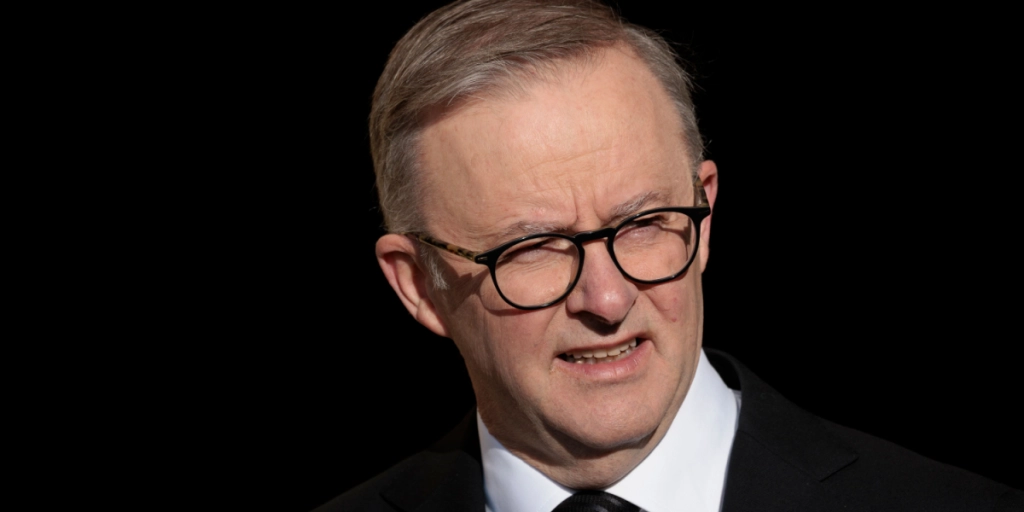
On the eve of the ban, Prime Minister Albanese sent a video message directly to young Australians.
He encouraged them to “start a new sport, learn a new instrument, or read that book that has been sitting there on your shelf.” His message reflects growing research that links excessive screen time to rising anxiety and worsening mental health in teens.
Vulnerable kids may lose vital connections
Child welfare advocates worry that a blanket ban could hurt socially isolated young people. For some, social media offers rare support networks and community.
Experts are now looking for new ways to connect with these children, whether in person, through youth programs, or even on alternative platforms, to make sure they don’t fall through the cracks.
The world is watching, again

Australia has a history of pioneering bold policy changes, from gun reform to plain tobacco packaging. The government hopes this latest move will be similarly influential.
Other nations, including the UK and France, have already made moves to limit children’s access to certain content. The message: safeguarding young minds is worth the disruption.
Legal battles are brewing
While some celebrate the ban, others see it as a dangerous precedent. Civil liberties groups argue it limits free speech and opens the door to broader online surveillance.
Australia’s High Court is set to examine the law’s impact on young people’s rights, and legal challenges from tech giants are likely on the horizon.
Teens already finding workarounds
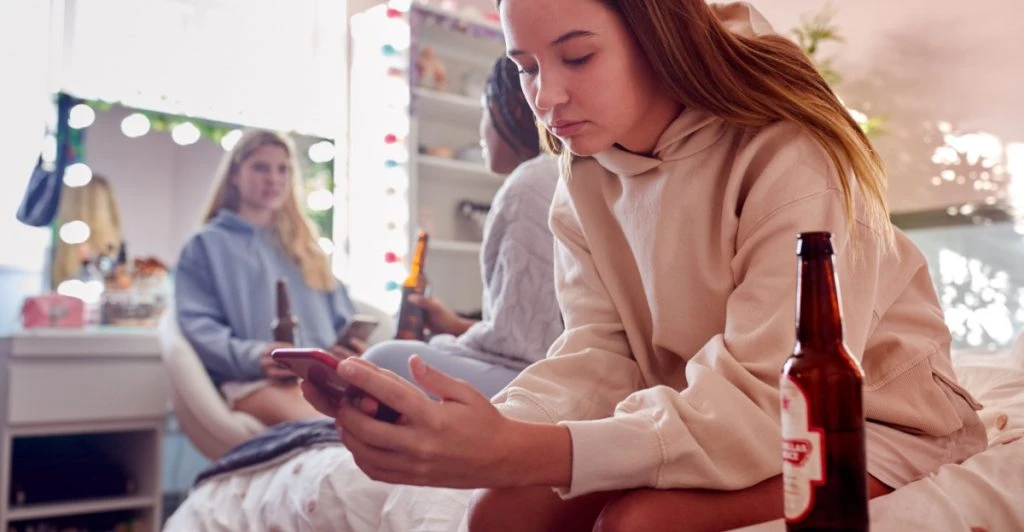
Despite the new law, many teens are shifting to lesser-known platforms without strong safeguards.
eSafety Commissioner Julie Inman Grant says her office will keep tightening regulations. Starting immediately, the government will issue notices to top platforms and publish updates on enforcement before Christmas.
“A global changemaker”, or false hope?

Inman Grant believes Australia is taking a bold and necessary stand, stating: “Parents will be backed, families can reconnect, technology tethers will loosen.”
But Professor Leaver cautions against assuming the job is done. Without clear goals or metrics for success, it’s unclear how the ban’s effectiveness will be measured.
Education seen as the next frontier
For Wayne Holdsworth, real change means preparing kids before they ever go online. “We’ve got an opportunity now to educate kids between eight and 15, so when they do get access to social media, they’re prepared,” he said.
Speaking about his son Mac, he added: “He would be looking down today very proud, proud to be an Australian, proud to be my son.”



