Kenneth Glad
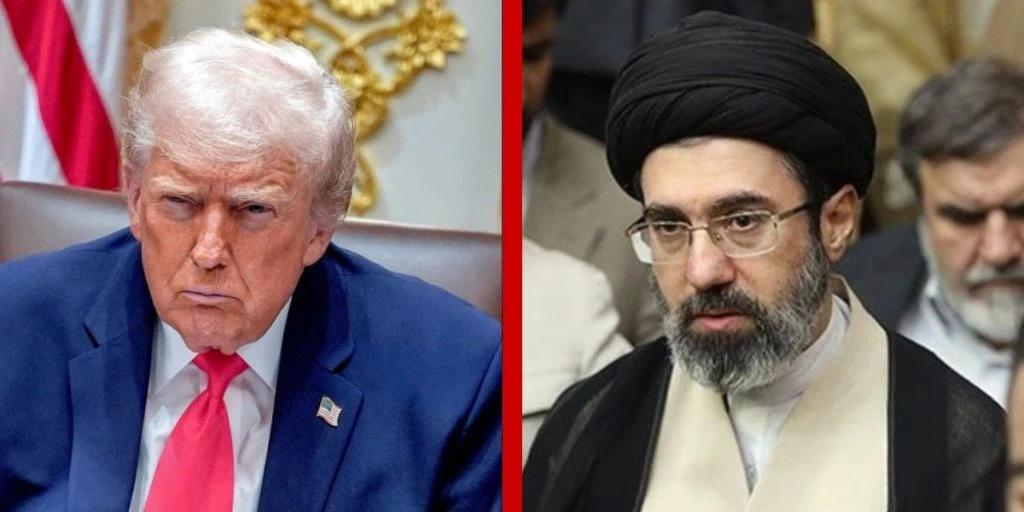
Uncertainty continues to surround Iran’s leadership as fresh claims emerge about the condition and whereabouts of its newly installed supreme leader. With no public appearances and only indirect communication, the situation has drawn scrutiny from abroad. Comments from Washington and reporting by international media have added to the sense of ambiguity over who is exercising real authority.

US President Donald Trump has openly questioned Iran’s command structure during a televised interview:
“They’re all messed up. They have no idea who their leader is. You know, we took out, really, three levels of leaders. And everybody that was even close behind him.”
His remarks follow the death of Ali Khamenei earlier this year, which was caused by a joint US-Israeli strike, writes The Daily Express.
Since then, Mojtaba Khamenei has assumed the role of supreme leader, but he has not been seen publicly, contributing to uncertainty over the transition.


Reports on condition
The New York Times notes that Khamenei may be recovering from significant injuries, citing Iranian officials.
Details point to multiple surgeries and a potentially lengthy rehabilitation process, though precise information remains difficult to verify.
Accounts referenced by the newspaper suggest facial injuries have affected his ability to speak, alongside other physical trauma requiring ongoing medical care.
Taken together, these reports indicate a leader who may not yet be able to appear publicly.
However, the lack of independent confirmation and restricted access to officials means the full extent of his condition remains unclear.
Operating in secrecy
The absence of direct appearances has led to an unusual communication pattern. Statements attributed to Khamenei have been issued in writing and later broadcast by state media, avoiding audio or video formats.
The New York Times reports that these messages are delivered through a controlled courier network, a method that reflects heightened security concerns.
Senior officials are also said to be limiting contact, reportedly to avoid revealing his location.
This combination of limited visibility and indirect communication has raised broader questions about decision-making inside Iran.
While official messaging maintains a defiant tone, including warnings of “new defeats” for adversaries, the lack of direct leadership presence continues to fuel speculation.
Sources: Daily Express, The New York Times