
 Edith Hejberg

“We are the first to provide form vision,” said Dr. Daniel Palanker, co-lead of the study.


A wireless eye implant developed by Stanford Medicine has helped people with severe vision loss see again. The tiny chip, called PRIMA, works with smart glasses to bypass damaged photoreceptors in the eye.
In a recent trial, 27 out of 32 participants regained the ability to read within a year of receiving the implant.
Moving beyond light perception to real form vision

Unlike older devices that only restored basic light sensitivity, PRIMA provides “form vision”, the ability to recognize shapes and patterns.
“We are the first to provide form vision,” said Dr. Daniel Palanker, co-lead of the study. This milestone marks a dramatic step forward in restoring usable sight to those with untreatable central vision loss.


How the PRIMA system sees for the eye

The system pairs a small retinal implant with smart glasses. A camera on the glasses captures images and beams them to the implant using infrared light. The chip then converts that signal into electrical impulses, replacing the function of lost photoreceptors.
The remaining retinal neurons relay that information to the brain, recreating visual perception.
Built on two decades of research and innovation
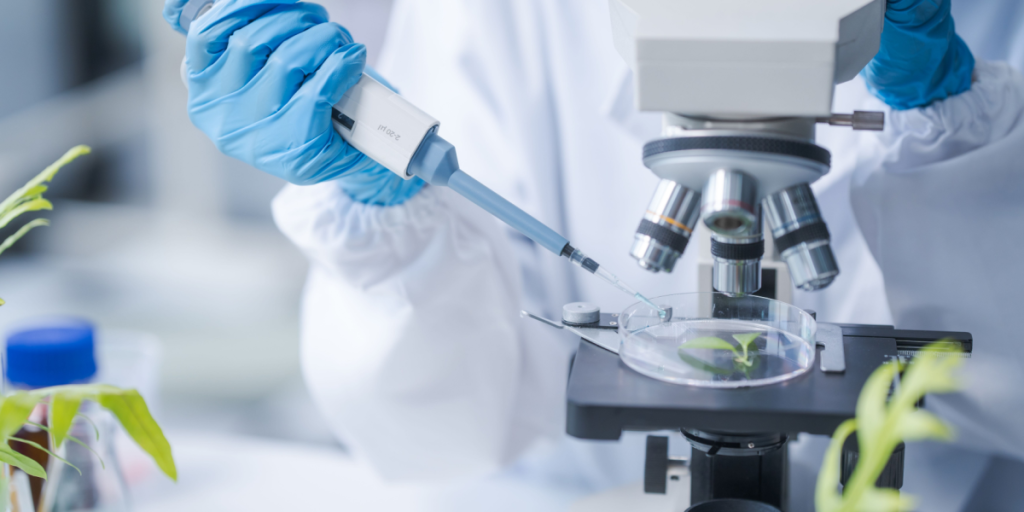
The PRIMA implant is the result of over 20 years of research, beginning with Palanker’s early work on eye lasers. “The device we imagined in 2005 now works in patients remarkably well,” he said.
After years of animal studies and prototype testing, the technology is now helping people regain vision in real-world settings.
Targeting the most common cause of irreversible blindness
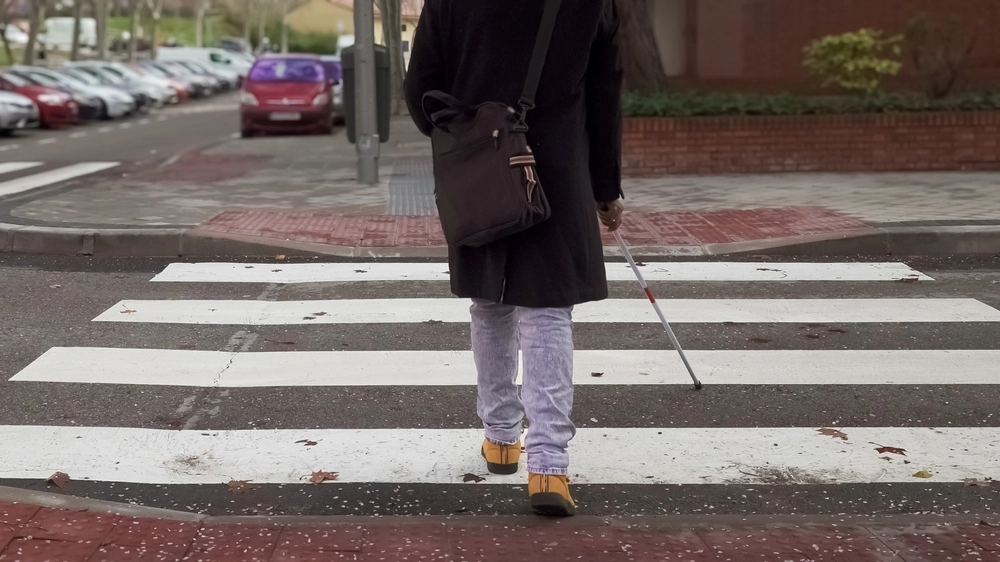
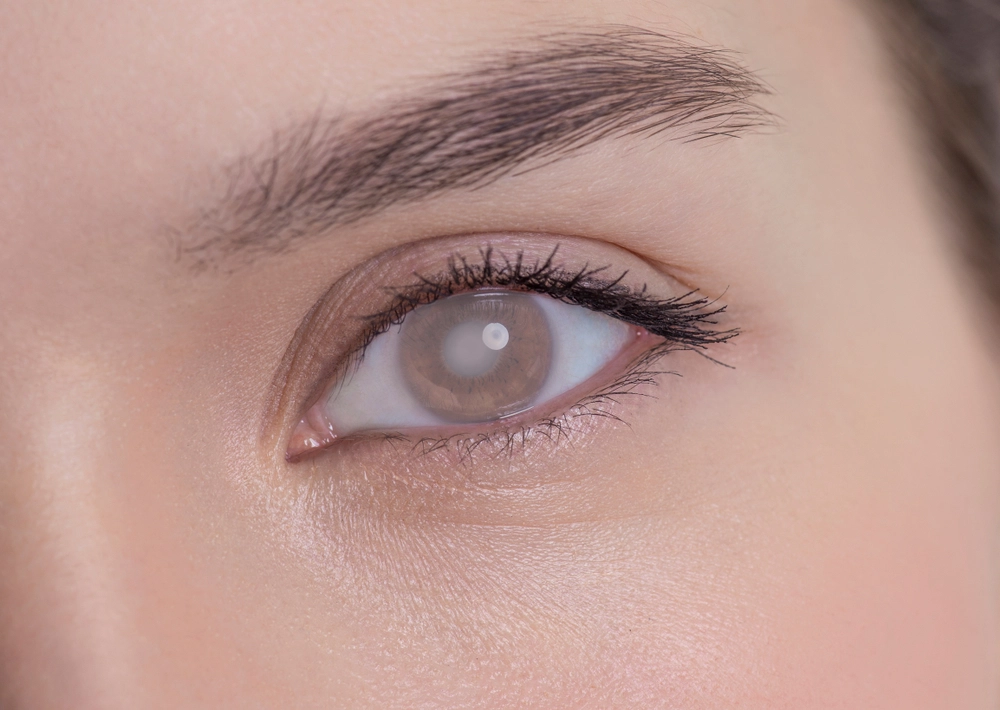
Participants in the study had geographic atrophy, an advanced form of age-related macular degeneration (AMD).
This condition destroys the central retina, leaving only blurry peripheral vision. PRIMA takes advantage of the fact that while photoreceptors are lost, many other retinal cells remain functional and can be reactivated by the implant.
Combining natural sight with artificial vision

PRIMA doesn’t replace all vision it adds to what remains. Users keep their natural peripheral sight while gaining a new, prosthetic central field.
Because the system uses invisible infrared light, it doesn’t interfere with remaining vision. This dual input helps users navigate more naturally and effectively in their surroundings.
From shadows to sentences: learning to see again

After the chip is implanted, patients begin vision training. While some could see patterns immediately, it often took months of practice to achieve sharper results, much like how cochlear implant users must train their hearing.
By the end of the year, most participants could read books, signs, and labels with confidence.
Strong improvements in vision and daily function
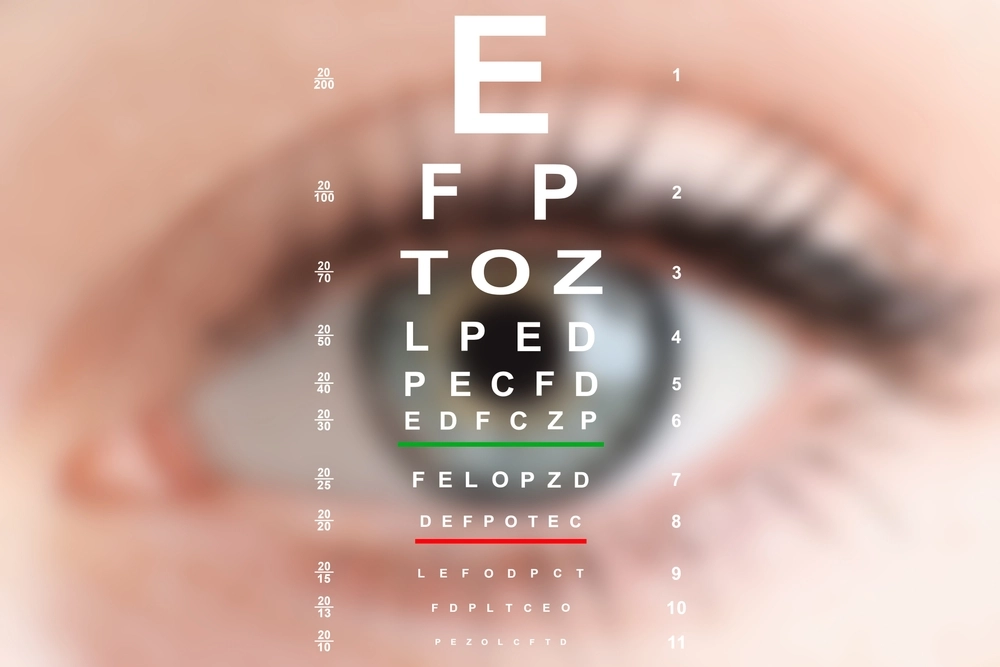
Out of 32 people who completed the study, 27 could read again, and 26 showed a measurable improvement in visual acuity, typically gaining 5 lines on an eye chart. Some improved by as much as 12 lines.
Many used the glasses in daily life to read menus, subway signs, and more, often zooming in up to 12 times for clarity.
Side effects and safety profile

The device was generally safe, though 19 participants experienced side effects like eye pressure, small retinal tears, or subretinal bleeding.
None were life-threatening, and most cleared up within two months. Two-thirds of participants reported medium to high satisfaction with the device after one year of use.
Looking ahead: grayscale and higher resolution

Currently, PRIMA only displays in black and white, but grayscale support is on the way, a key step toward recognizing faces. The research team is also working on a next-generation chip with much smaller pixels.
A future version could pack 10,000 pixels and offer 20/80 vision, or even better when combined with digital zoom.
Toward near-normal vision and broader use
With smaller pixels and improved glasses, future versions of PRIMA could offer even more natural vision. “This is just the first version,” said Palanker.
The team also plans to test the technology on other types of blindness caused by lost photoreceptors, expanding hope for millions worldwide with degenerative eye diseases.
A global effort in eye innovation
This breakthrough study was a collaborative effort involving researchers from more than 20 institutions across Europe and the U.S.
It was supported by Stanford Medicine, Science Corp., and major health research organizations. The findings were published in the New England Journal of Medicine on October 20, 2025.
A new chapter for vision restoration
With the success of this first generation, the PRIMA system could usher in a new era of sight-restoring technology. While challenges remain, the ability to read, move confidently, and interact visually with the world again is life-changing.
For many patients, it’s a second chance at seeing the things that matter most.



