
 Camilla Jessen
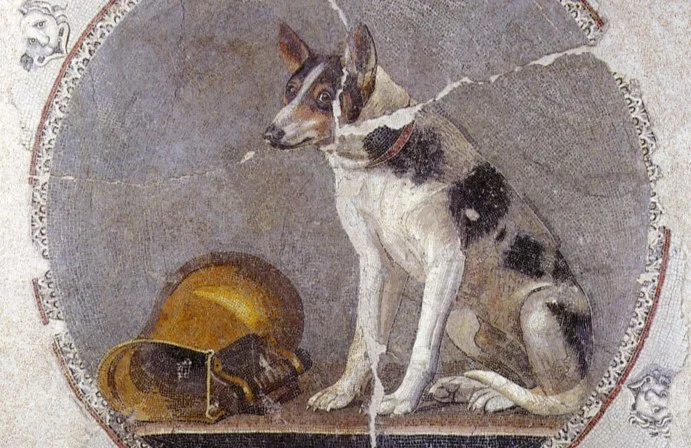
Ancient remains in Turkey reveal earliest known dog.


New genetic evidence is challenging long-held beliefs about when dogs first became human companions.
Findings from two major studies suggest this relationship began far earlier than previously confirmed.
Research published in Nature indicates that dogs may have lived alongside humans nearly 16,000 years ago. Scientists say this pushes back the timeline by around 5,000 years compared with earlier estimates.
Experts have long struggled to pinpoint the origins of dogs due to the close resemblance between ancient dog and wolf remains.


The new studies, however, rely on DNA analysis, offering clearer insight into how and when domestication began.
Oldest DNA found
One of the studies identified what is now considered the oldest known dog DNA.
The remains were recovered from a skull fragment discovered in Pınarbaşı, in present-day Turkey.
According to the research team, which included William A. Marsh and Lachie Scarsbrook, the animal was a young female that lived around 15,800 years ago. Co-author Laurent Frantz of Ludwig-Maximilians-Universität Munich said the animal resembled a small wolf.
This finding significantly predates the previously oldest confirmed dog DNA, which dated to about 10,900 years ago.
Spread across Europe
A second Nature study, led by researchers including Anders Bergström and Pontus Skoglund, examined remains from southwest England dated to around 14,300 years ago.
The findings suggest dogs had already spread widely across Europe by that time. Researchers analysed genomes from 216 ancient dogs and wolves to map their development and movement.
“It’s just an interesting puzzle. Dogs are most likely a mix of two types of gray wolves,” Pontus Skoglund from the Francis Crick Institute said.
The study also indicates that dogs were domesticated by hunter-gatherers before early farmers arrived in Europe roughly 10,000 years ago.
“Dogs were undoubtedly important to our ancestors, as early farmers appear to have adopted hunter-gatherer dogs into their groups when they entered Europe,” Skoglund added.

Early human bond
While the precise role of dogs in Ice Age societies remains uncertain, researchers believe they may have assisted with hunting or protection.
Evidence from burial sites in Pınarbaşı, where puppies were found placed above human graves, suggests a close emotional connection already existed.
Despite the progress, scientists say key questions remain.
As Skoglund noted, “the search for the missing link continues,” highlighting that the genetic gap between wolves and early dogs is not yet fully understood.
Sources: Nature, statements from Ludwig-Maximilians-Universität Munich, Francis Crick Institute.



