
 Mikkel Christensen
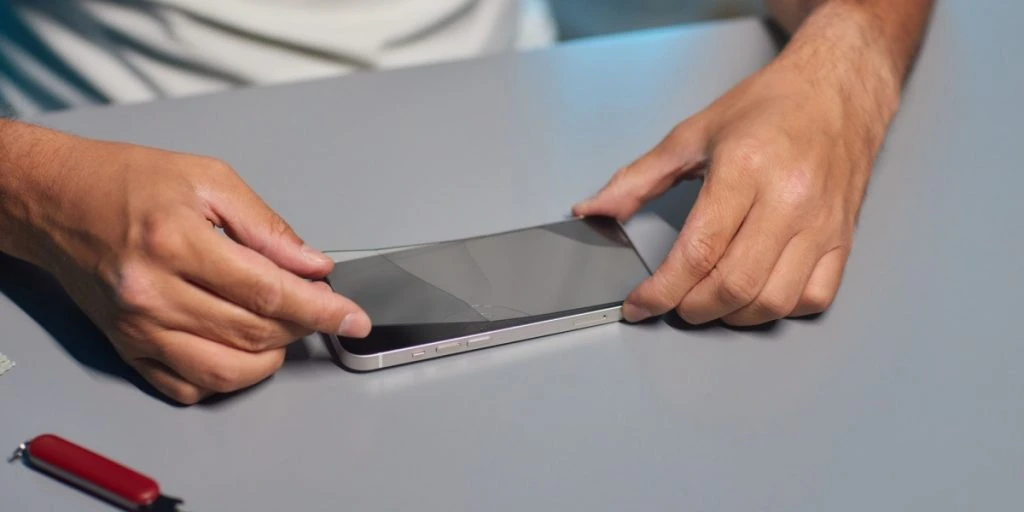
For years, buying a new phone meant immediately adding extra layers of protection. Scratches and cracks were seen as almost inevitable without them.

For years, buying a new phone meant immediately adding extra layers of protection. Scratches and cracks were seen as almost inevitable without them.
That habit is now being questioned as smartphone technology continues to improve.
Stronger screens today
Modern smartphones are built with more durable materials than earlier generations, reducing the need for additional protection.
Manufacturers have largely moved away from plastic, using metals like aluminum and stainless steel to better handle everyday wear.


According to BGR, flagship devices such as Samsung’s Galaxy S26 Ultra and Apple’s iPhone 17 Pro feature advanced glass technologies like Corning Gorilla Glass and Ceramic Shield.
These materials typically score between 6 and 7 on the Mohs hardness scale, making them far more resistant to scratches and damage.
Protection trade-offs
Not all screen protectors offer the same level of defense. Budget options often rely on plastic materials like PET or TPU, which provide only minimal protection.
More advanced options, such as tempered glass or liquid coatings, can be more effective but also more expensive. Some can cost around $40, according to BGR.
For many users, that added cost may not justify the limited benefits.
Changing habits
With stronger screens now standard, a durable phone case is often enough for everyday protection. Some cases even include covers to shield the display when not in use.
There are also drawbacks to using screen protectors. They can reduce touch sensitivity and make displays appear less sharp.
As a result, the long-standing assumption that every smartphone needs a screen protector is becoming less clear-cut.
Sources: BGR



