
 Kenneth Glad
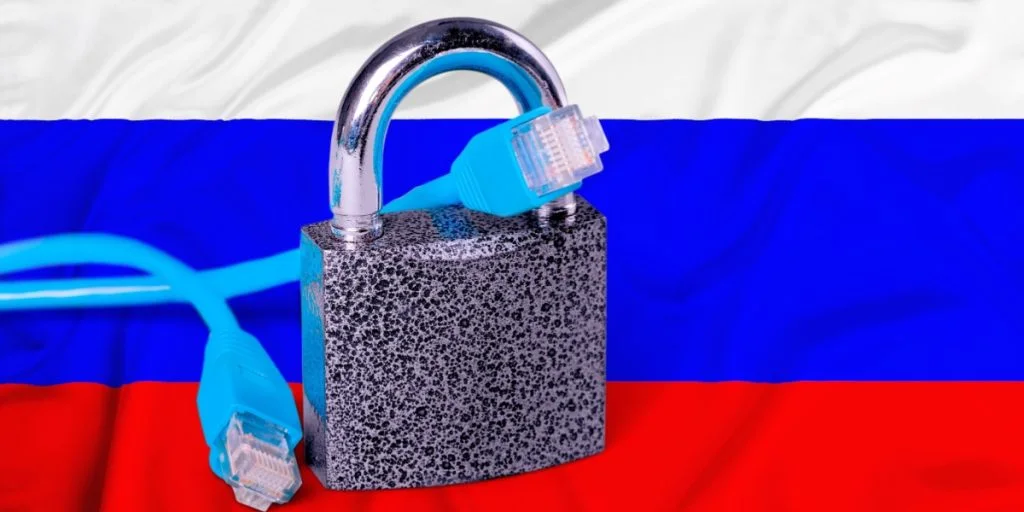
Restrictions on major online platforms in Russia are being read in sharply different ways. Some officials frame them as wartime necessity, while others point to tensions within the political system. The timing has not gone unnoticed, especially as the conflict in Ukraine drags on.


Ukrainian President Volodymyr Zelensky has linked the restrictions to possible mobilization and further escalation. He has said tighter controls could help authorities contain public reaction if pressures build at home.
A different interpretation came from Russian commentator Maxim Shevchenko during an RTVI broadcast, cited by Dialog.UA.
He argued the measures are less about the battlefield and more about shifts taking place within Russia’s leadership.
Signals from within
Shevchenko suggested that key institutions are not acting in full alignment. In his telling, decisions around internet controls may reflect competing interests rather than a single, unified plan.


He made the point while discussing whether authorities might “roll back restrictions” after the war. That, he implied, would depend on how internal balances of influence settle.
Observers who track Russian domestic politics often look for such signals, though in this case there is little direct evidence beyond public remarks and policy timing. It leaves room for interpretation.
The focus on Telegram fits into that broader picture. Russian authorities have tried to curb the platform before, yet it remains widely used.
Tech-focused outlets have reported that Telegram’s developers were able to bypass some blocking measures without VPN services, although the methods have not been disclosed. Founder Pavel Durov has said he would respond with “effective measures” to restrictions affecting the app.
An open question
No single explanation fully accounts for the current measures. The wartime argument points to immediate security concerns. The alternative suggests quieter competition within the system.
What is missing is clear visibility into how these decisions are made. Without that, outside assessments rely on fragments: official statements, technical changes, and timing.
For now, the restrictions appear to sit somewhere between security policy and internal politics, rather than fitting neatly into one category.
Sources: Dialog.UA



