
 Kathrine Frich
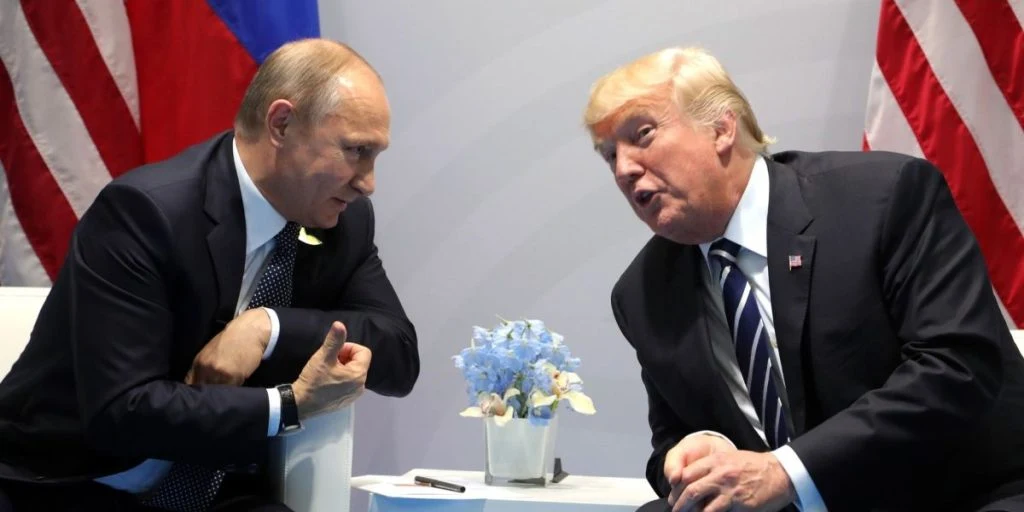
Wars unfolding across several regions are forcing world leaders to juggle multiple crises at once.

As new conflicts emerge, governments worry that political attention and military resources may be stretched thin.
For Europe, the growing confrontation in the Middle East raises a troubling question: will the war in Ukraine slip down Washington’s list of priorities?
Fear of distraction
European officials fear that U.S. President Donald Trump could lose interest in pushing for peace between Russia and Ukraine as the conflict with Iran takes center stage in Washington, Politico reports.
With Pentagon planning and White House attention focused on the Middle East, diplomats worry that the fifth year of Russia’s war against Ukraine may receive less political urgency.


Ukrainian President Volodymyr Zelensky warned that a prolonged conflict in the Middle East could affect arms deliveries to Kyiv.
“Everyone understands that for us this is our life, the right weapons,” Zelensky told reporters. “If there are long-term hostilities in the Middle East, this will definitely affect deliveries.”
Weapons concerns
Another major worry involves U.S. military stockpiles. Analysts say large quantities of interceptor missiles and other weapons could be diverted to the Middle East, leaving fewer available for Ukraine.
Ed Arnold of the Royal United Services Institute said attention and resources may inevitably shift.
“There’s a ripple effect in terms of attention,” Arnold said. “How do you get Trump to have a policy or to resume efforts to contain Russia in Ukraine when he’s just opened another front in a potential war?”
A senior European official, speaking anonymously, warned that rebuilding U.S. weapons reserves could become a priority.
“A lot of firepower has been used up, including interceptor missiles and other types of missiles,” the official said. “The U.S. needs to replenish its stockpiles, which means there is less left for Europe or Ukraine.”
Talks still planned
Despite those concerns, negotiations aimed at ending the war in Ukraine continue. Trump’s envoy Steve Witkoff and adviser Jared Kushner recently met Ukrainian officials in Geneva.
Further talks involving Ukraine, Russia and the United States were expected in early March, although Zelensky said the Middle East crisis could affect the schedule.
“The meeting must take place, it is important for us,” he said.
The White House has insisted that the U.S. still has the capacity to support Ukraine.
“The United States military is fully equipped to achieve all of the president’s strategic objectives,” said White House spokeswoman Anna Kelly.
Mixed consequences
Russia may also face setbacks from the escalating crisis with Iran, one of its key partners. Recent strikes have killed Iran’s supreme leader Ayatollah Ali Khamenei and several senior commanders.
Iran had supplied Moscow with “Shahed” drones earlier in the war, although Russia now produces similar models domestically.
Some Ukrainian officials argue that confronting Iran could ultimately benefit Kyiv by weakening one of Russia’s allies.
“They are interconnected,” said Ukrainian lawmaker Yehor Chernev. “The faster and more effectively the US acts against Iran, the greater the chances of progress in peace negotiations with Russia.”
Sources: Politico; Digi24; statements from Ukrainian and European officials.



