
 Edith Hejberg

According to Stubb, the United States has taken a more structured approach in recent months.
Washington’s involvement has given talks a clearer framework.


Finland’s president, Alexander Stubb, says Russia is the main barrier to ending the war in Ukraine.
In an interview with TVP World, he made clear that he does not expect a peace agreement any time soon.
Despite ongoing diplomatic efforts, he believes Moscow is not ready to sign.
Skepticism despite renewed talks
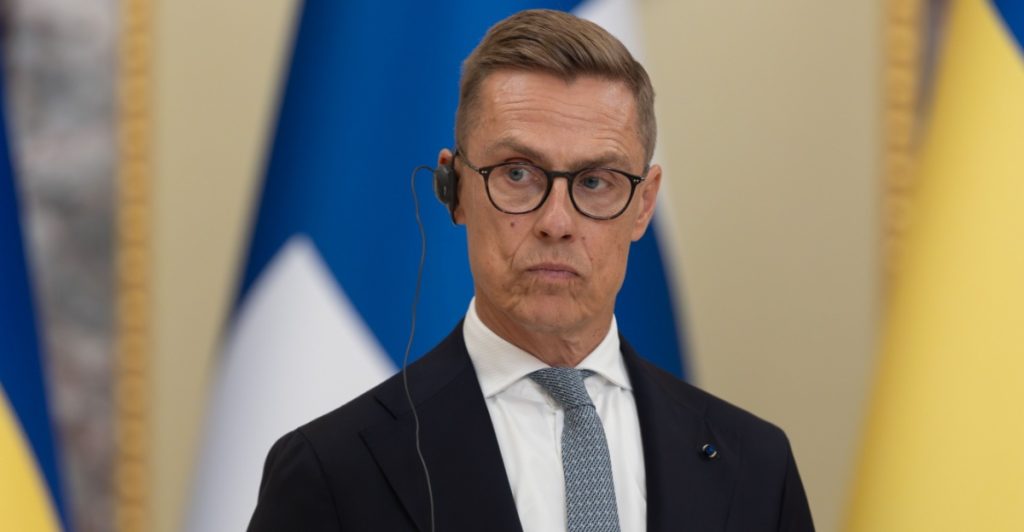
Stubb spoke on TVP World’s “On the Record” from the Presidential Palace in Helsinki.
He described the current outlook as a “baseline scenario” in which the war continues into the summer.
That assessment comes even as US-led negotiations between Kyiv and Moscow move forward.
Structured us engagement, limited progress
According to Stubb, the United States has taken a more structured approach in recent months.
Washington’s involvement has given talks a clearer framework.
Still, he suggested that stronger mediation alone may not be enough to break the deadlock.
Who is blocking the deal?
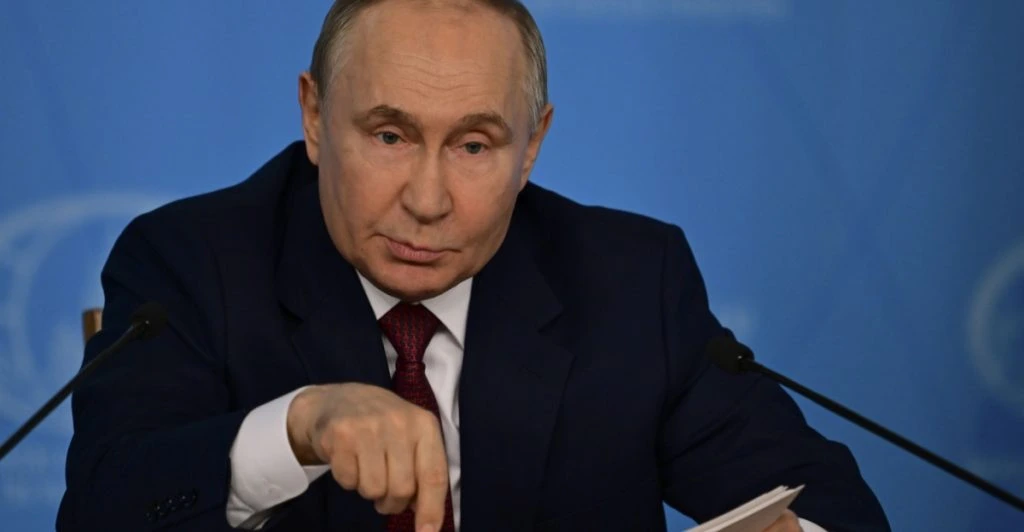
When asked directly who was preventing a peace agreement, Stubb did not hesitate.
“Putin and Russia,” he replied.
He made it clear that, in his view, Moscow, not Kyiv or Western capitals, is the key obstacle.


Ceasefire at the contact line
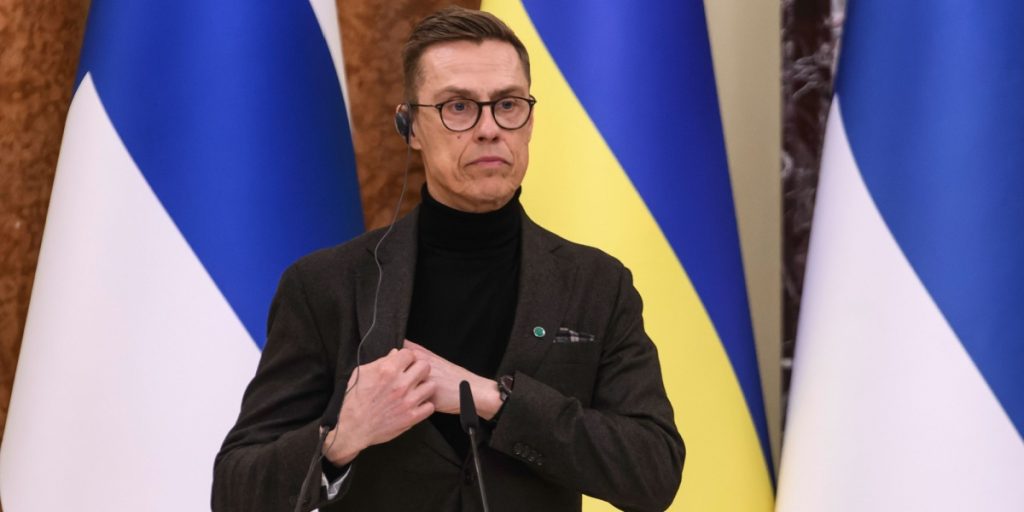
Stubb said negotiators are wrestling with complex and sensitive issues.
Territorial control and the future of the Zaporozhye nuclear power plant remain among the most difficult questions.
These unresolved matters continue to stall meaningful progress.
A ‘crazy’ proposal rejected
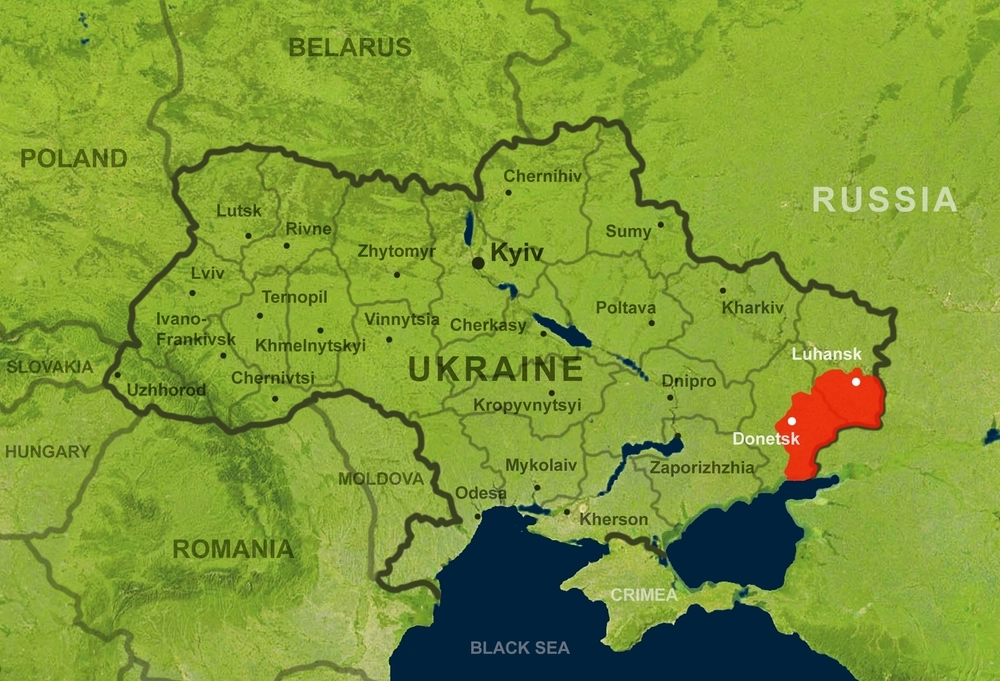
One idea on the table would turn occupied parts of eastern Donetsk into a demilitarized special economic zone.
Stubb dismissed that proposal as “crazy.”
He signaled little confidence that such a plan could deliver lasting stability.
A more viable path forward

Instead, Stubb suggested freezing the conflict along current front lines.
He proposed stopping the fighting where forces are now positioned.
A demilitarized buffer zone on both sides, he argued, could offer a more realistic starting point.
Zelensky sees diplomacy ‘reinvigorated’

Ukrainian President Volodymyr Zelensky struck a more hopeful tone after talks in Geneva.
He said diplomacy had been “reinvigorated” following the latest round of negotiations.
Even so, significant differences between the two sides remain unresolved.
Warnings from european intelligence
European intelligence officials have voiced concern about Moscow’s motives.
They warn that Russia could use negotiations to seek sanctions relief and trade benefits.
In their view, talks may serve tactical aims rather than signal a genuine shift toward peace.
The greenland issue tests transatlantic ties

Stubb also addressed tensions linked to the recent Greenland dispute.
He described it as a test of Europe’s relationship with President Donald Trump.
According to Stubb, tensions have eased through a “process” focused on revising the 1951 US-Denmark defense agreement and strengthening Arctic security.
Arctic cooperation continues

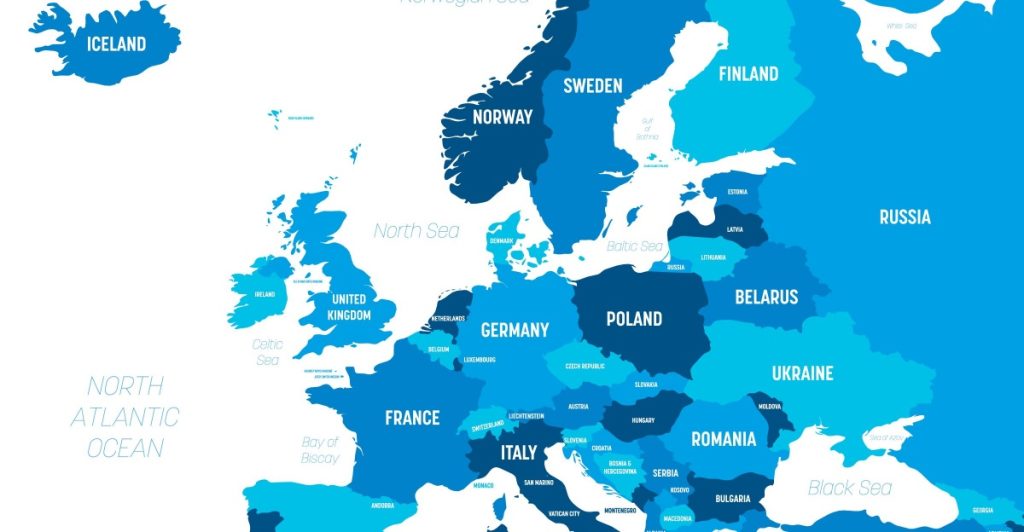
Finland’s growing Arctic partnership with the United States remains strong, Stubb said.
He pointed to plans to build 11 icebreakers as a sign of practical cooperation.
Despite political differences, shared security interests still bind the allies.
‘Calm the spirits’
In closing, Stubb urged Europe to stay composed.
He said leaders should remain “calm, quiet and self-possessed.”
In typical Finnish fashion, he added that sometimes it is best to “take a sauna and an ice bath and calm the spirits.”



