
 Anna Hartz
The move comes after months of conflict involving Iran, the United States, and Israel.


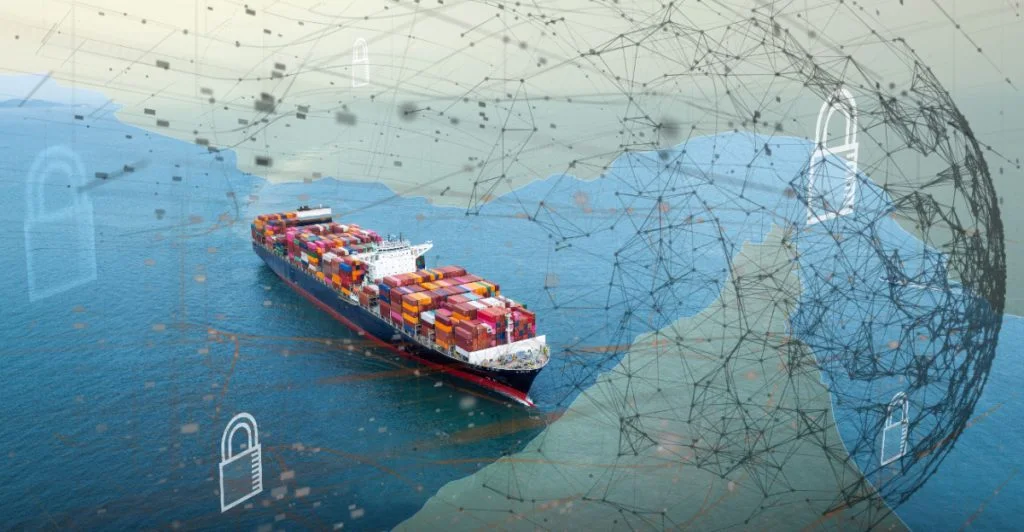
Oil tankers and cargo ships move through the Strait of Hormuz every day. The narrow waterway is one of the most important trade routes in the world. A large share of the world’s oil and gas passes through it. When tension rises in the Gulf, global markets react quickly. Fuel prices go up. Shipping slows down. Governments start watching the region more closely.
Now Iran says it is creating a new body to manage and oversee the Strait of Hormuz, reports Ziare. Shipping in the area has already faced major disruption since fighting broke out earlier this year.
Controlling ship movements
Iran’s Supreme National Security Council announced the decision on Monday. The new organization is called the Persian Gulf Strait Authority, also known as PGSA. Iranian state-linked social media accounts said the authority will provide real-time information about operations and developments in the strait.
The Iranian Revolutionary Guard also shared the announcement online. Officials have not fully explained what powers the new body will have. Still, Iranian media reports suggest it will play a direct role in controlling ship movement through the strait.


Earlier this month, Iran’s English-language Press TV described the new system as a way for Tehran to exercise sovereignty over the Strait of Hormuz. According to the report, ships passing through the area have already started receiving official instructions and regulations from the authority.
Shipping companies remain cautious
Iran has heavily restricted maritime traffic through the strait since the conflict with the United States and Israel began on February 28. A ceasefire was later reached on April 8, but tensions in the region remain high. Many shipping companies are still cautious about using the route.
The Strait of Hormuz is critical for global energy supplies. Before the conflict started, around 20 percent of the world’s oil and liquefied natural gas exports passed through the channel. Even short disruptions can affect international fuel prices and supply chains.
Iran’s latest move is likely to raise more questions about the future of shipping in the Gulf. Other countries will now watch closely to see whether the new authority changes how ships operate in one of the world’s busiest and most sensitive waterways.



