
 Kenneth Glad
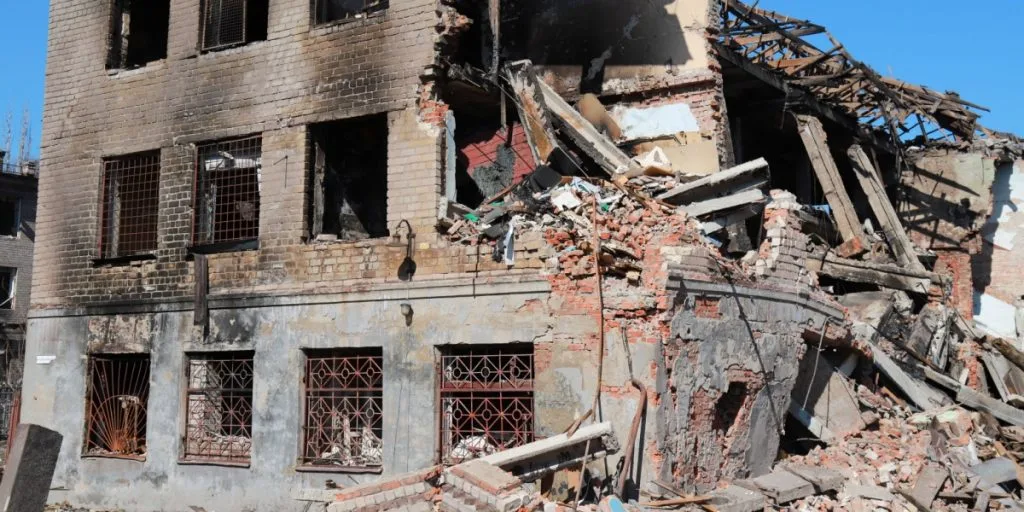
In Russian-controlled parts of Ukraine, daily life remains unstable. Power cuts, limited services, and strained healthcare systems shape everyday routines. For many, survival comes first. Long-term questions barely register.


Between 3 and 5 million Ukrainians are still living in areas held by Russian forces. Disruptions to water, electricity and heating are frequent, while access to consistent medical care remains limited.
Rebuilding efforts vary sharply from place to place. Some cities show signs of repair, others are still struggling to restore even basic services.
That uneven progress is telling. It not only affects daily life but also limits any broader attempt to stabilise governance or infrastructure, according to Latvijas Avīze.
Changing makeup
The Latvian newspaper also points to a quieter development: A gradual arrival of Russian citizens into these territories. Sociologist Dmitry Gromakov describes it as a slow process aimed at reshaping the local population over time.


It is not dramatic or immediate. Instead, the change appears designed to unfold gradually, potentially influencing future political realities.
There are precedents. After Russia’s annexation of Crimea in 2014, demographic shifts were widely debated as a factor in consolidating control, though such policies remain controversial under international law and criticised by Ukraine and its allies.
Gromakov links the approach to possible future decisions. “The goal is to create a situation in which these territories are inhabited by people who could, in the long term, justify their belonging,” he said.
Doubts remain
Figures cited by the Latvian publication suggest that up to 114,000 Russian citizens could be relocated by 2045, though it is unclear whether this reflects official targets or projected estimates.
But conditions on the ground complicate that vision. Mariupol and Donetsk, among others, continue to rebuild slowly, with no clear timeline for full recovery.
Without a ceasefire or clearly defined lines of control, large-scale demographic or political shifts will be difficult to sustain.
The ambition is clear. The reality on the ground is far more uncertain—and far harder to reshape.
Sources: Latvijas Avīze



