
 Kathrine Frich
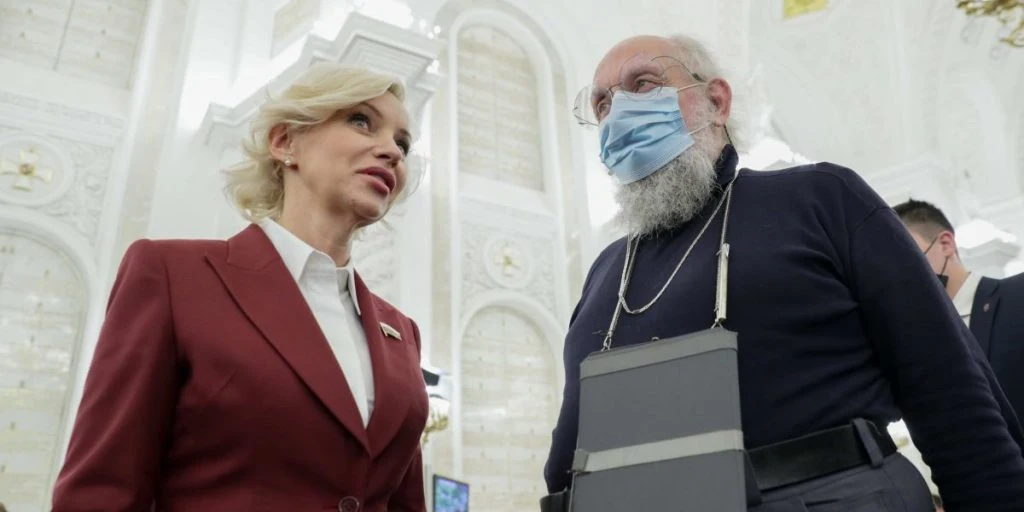
A senior Russian lawmaker has suggested that escalating tensions between the United States and Iran may offer Moscow an economic advantage.

The comments come amid rising instability in the Middle East following US and Israeli military action.
Short-term gains
Anatoly Wasserman, a State Duma deputy and ally of President Vladimir Putin, told Russian media that a conflict involving Washington and Tehran could temporarily work in Russia’s favour.
“In the short term, I think the consequences for us will be positive,” Wasserman said.
“It’s clear that this conflict will cause oil prices to rise.”


He added in comments to Russian outlet MK: “While oil now makes up only about one-eighth of our export income, its sales still bring in a significant amount.”
Longer-term risks
Despite pointing to potential economic gains, Wasserman cautioned that the broader geopolitical picture could become more complicated.
“Iran, to some extent, is part of the BRICS group. Not fully, but it does take part in many of the group’s consultations.”
“This could damage the reputation of the entire group. Even though BRICS is not directly involved in military matters, the great powers in the group are expected to show some strength.”
BRICS, originally formed by Brazil, Russia, India and China before expanding to include South Africa and several new members in recent years, positions itself as an alternative platform to Western-led institutions.
Uncertain outlook
Wasserman said it remains difficult to predict how the situation will develop, warning that the United States and Israel could face serious challenges if hostilities drag on.
“For a while, the fighting will continue,” he said. “But I don’t know how long their missile stockpiles in the region will last.”
He added: “According to various estimates, the US and Israel may have stockpiled around a thousand long-range missiles capable of reaching Iran. They also reportedly have a couple of thousand anti-aircraft missiles to intercept return fire.
“But if they use all of these up and Iran holds out, then they will face very big problems.”
The remarks reflect debate within Russia over how developments in the Middle East could reshape global energy markets and alliances.
Sources: Russian media outlet MK, Daily Star.



