
 Kathrine Frich

Easter is one of the most important holidays in the Christian calendar.

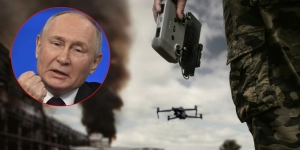
It is traditionally associated with reflection, renewal, and peace.
In times of conflict, it has often been seen as a moment where fighting could pause, even briefly, to mark the occasion.
That expectation of a temporary halt has resurfaced once again.
Truce timing set
Russian President Vladimir Putin has announced a two-day ceasefire to coincide with Orthodox Easter, according to TVP World cited by Digi24.


“Given the approaching Orthodox Easter holiday, a ceasefire is declared starting at 4:00 p.m. on April 11 until the end of the day on April 12,” a Kremlin statement said.
“We are starting from the premise that the Ukrainian side will follow the example of the Russian Federation.”
Orders issued
The Kremlin said Defense Minister Andriy Belousov instructed military leadership to halt combat operations during the specified period.
Chief of the General Staff Valery Gerasimov was ordered “to suspend, for this period, military actions in all directions.”
At the same time, troops were told to remain ready to respond to any “provocation” or “aggressive action.”
Kyiv reaction pending
Ukrainian officials had previously proposed an Easter truce, though Kyiv has not yet formally responded to Moscow’s latest announcement.
President Volodymyr Zelensky has in the past accused Russia of continuing attacks during declared ceasefires.
“Shahed drones in our sky reveal Putin’s true attitude towards Easter and human life,” Zelensky said following a previous truce.
Past ceasefires questioned
Temporary ceasefires declared during the war have frequently been violated or contested by both sides.
Last year’s Easter truce announcement was followed by continued strikes, casting doubt on whether such pauses lead to meaningful de-escalation.
The latest proposal now puts the focus on whether a short-term halt in fighting can be sustained.
Sources: TVP World, Kremlin statement, Digi24.



