
 Kenneth Glad
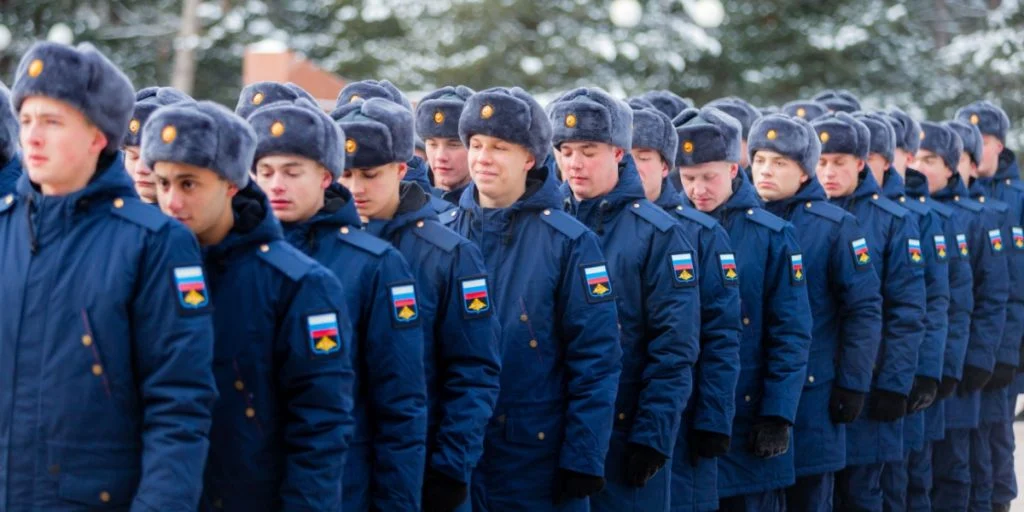
Efforts to maintain troop levels in Ukraine are putting Russia’s recruitment system under visible pressure. New data and insider accounts suggest the push for numbers may be reshaping who gets accepted. The result, analysts say, could have consequences beyond simple headcounts.


Russian officials say more than 422,000 contract soldiers were recruited in 2025, according to figures cited by The Moscow Times. Independent estimates, however, point lower.
Drawing on budget analysis, Janis Kluge of the German Institute for International and Security Affairs puts monthly recruitment at about 30,000.
Michael Kofman, a military analyst at the Carnegie Endowment, arrives at a comparable figure, indicating that new recruits mainly replace losses rather than increase overall troop numbers.
Those losses remain steep. NATO estimates, cited by the Moscow outlet, suggest total casualties have surpassed 1.15 million, with daily losses hitting roughly 1,100 in November. The scale helps explain the urgency behind recruitment.


Standards slipping
In the Russian capital, the trend is shifting. Reporting from Verstka indicates enlistment fell by about a quarter in 2025, while rejection rates dropped sharply.
Screening appears narrower now, according to sources familiar with the process.
Only the most serious issues lead to disqualification. Older applicants are showing up more often too.
That combination points to a system under strain. When fewer people sign up, the bar tends to move.
Allegations surface
Some of the sharpest criticism has come from within pro-war circles. Blogger Anastasia Kashevarova described cases that, in her view, reflect what is happening on the ground.
The Moscow Times writes that she pointed to two recent recruits with signs of “chronic encephalopathy due to long-term alcohol abuse and an antisocial lifestyle.” She said they could barely move and “urinate and defecate on themselves.”
She also claimed the men did not clearly understand how they ended up enlisted.
Kashevarova linked such cases to alleged intermediary networks, often called “black recruiters,” who she says target vulnerable individuals and push them into contracts. These claims remain unverified, but they echo broader concerns about oversight.
“Other service members are forced to literally carry them around,” she wrote.
If even part of these accounts reflect a wider pattern, the implications are straightforward: filling quotas is one thing, fielding capable units is another.
Sources: The Moscow Times, Verstka,



