
 Jens Asbjørn Bøgen
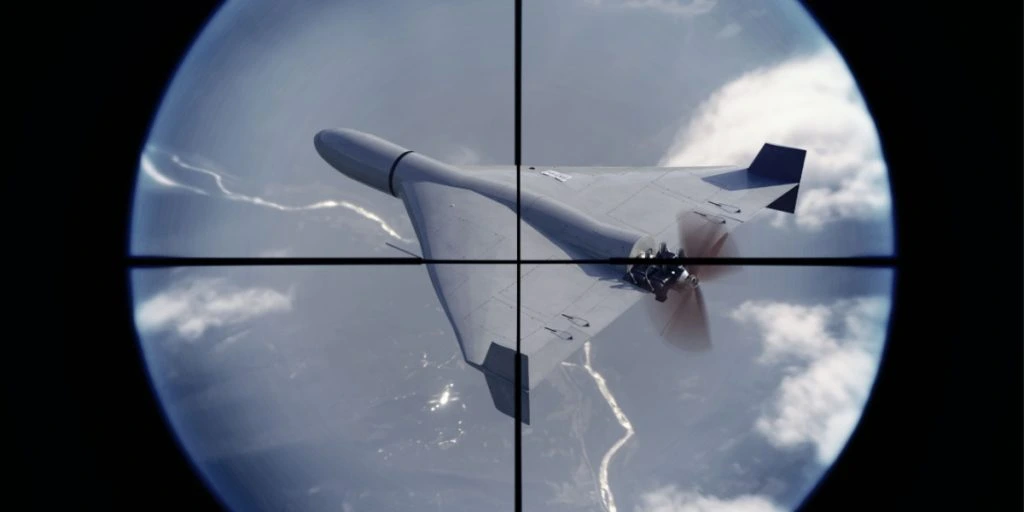
The drone strike hit an appartment building and left two injured.


Following the Russian drone strike on a Romanian apartment building during the night, which left two people injured, questions are piling up:
-
When was it first spotted?
-
Was there sufficient air defence in the area?
-
And perhaps most importantly of all: Why was the drone not shot down?


According to Romanian authorities, the Russian drone, likely a Geran-type, was part of a larger assault on Ukraine when it entered Romanian (NATO-member) airspace and struck the apartment building in the city of Galați.
Galați is very close to the Romania–Ukraine border, and this is part of the reason why the drone was not shot down.
That, and legal limitations.
Tight deadlines
On Friday morning, Romanian defence officials faced tough questions after the overnight incident.
Digi24 reported that the defence ministry explained that personnel simply lacked time to react.
According to the timeline provided by the authorities, the drone was first detected at 1:46 a.m. local time. At that point, it was still in Ukrainian airspace.
At 1:52 a.m., it entered Romanian airspace, and it was lost from radar at 1:56 a.m., likely because it detonated.
This means that the Romanian military had only four minutes to shoot the drone down.
During a press conference, Brigadier General Gheorghe Maxim emphasized the strict constraints his forces faced.
“The first limitation we have is a legal one: the fact that we cannot fire in such a way that the projectile affects the airspace of a neighbouring country. Furthermore, to engage an aerial target, a certain amount of time is needed, which involves detection, classification and combat engagement. The four minutes we had at our disposal were extremely short,” Maxim said, according to Digi24.
Triggering NATO Article 4?
According to Ukrainska Pravda, Romanian Foreign Minister Oana Toiu said that the incident could justify Romania invoking NATO’s Article 4.
The article allows any member state to call for an emergency meeting if it believes its territorial integrity, political independence or security is threatened. It would trigger mandatory consultations within the alliance.
NATO’s Article 5, known as the Musketeers’ Oath, which would trigger the alliance’s collective defence clause, is not being mentioned as an option.
Sources: Digi24, BBC, Reuters, NATO



