
 Kenneth Glad
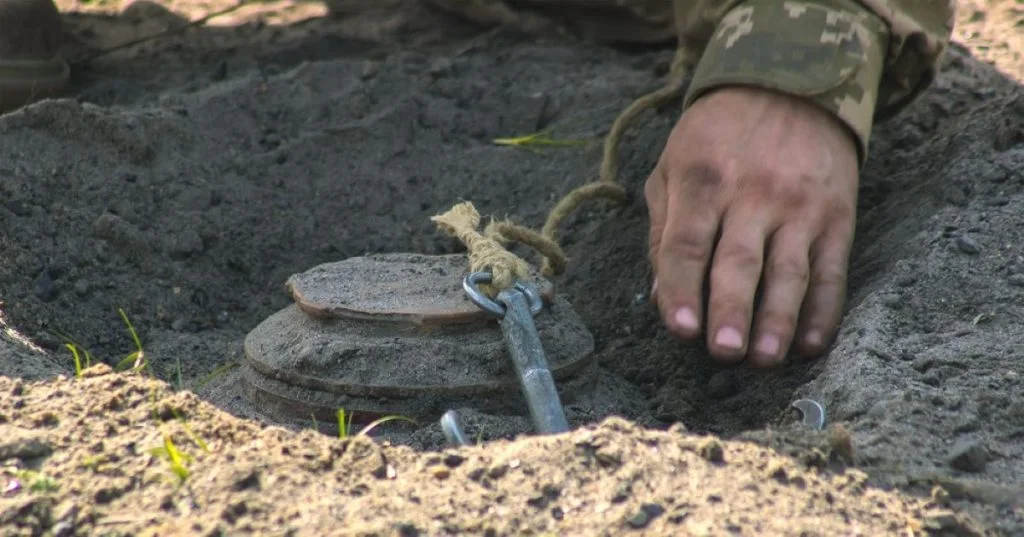
When a nation endures years of bitter conflict, the danger does not vanish the moment the front lines shift. Hidden threats remain buried beneath the soil, waiting silently to disrupt daily life. Clearing these hazards demands vast resources and immense courage.


The extent of explosive contamination across Ukraine rivals the aftermath of the Vietnam War. According to The Guardian, the widespread use of long-range drones has scattered lethal devices far beyond traditional battlefields.
Workers from the international charity Halo Trust search the ground inch by inch in eastern regions. Progress is traditionally slow. A worker needs up to 45 minutes to dig out a single small patch by hand.
The threat level constantly shifts. Modern devices like the POM-3 trigger when they sense people walking nearby. Anda Riza, a unit commander for the Halo Trust, told The Guardian her teams “completely avoid” specific villages because of these weapons.
Machines take over
Experts are bringing new machinery into the fields to speed up this gruelling work. A remote-controlled vehicle called the DMR-7 uses powerful bursts of air to uncover buried hazards in just five minutes.


Aerial technology plays a huge role as well. Artificial intelligence systems analyze images captured by drones and satellites to map out the danger zones.
But modern warfare creates modern problems. Both sides deploy signal jamming technology, which ends up crashing the civilian drones that clearance teams rely on. Safety rules also slow things down, forcing operators to drive clearing vehicles remotely instead of sitting in the cab.
Bureaucratic hurdles
Sorting out the paperwork might be just as difficult as sweeping the soil. The Guardian reports the Halo Trust alone spent almost £50 million on clearing efforts in a single year. Meanwhile, the national government budgeted just under £29 million for agricultural land.
Multiple state agencies share responsibility for the crisis. Ihor Bezkaravainyi, a deputy economy minister, admitted that efforts to create a single oversight office have stalled. Officials simply worry about losing their influence.
Some experts believe the government labels too much land as contaminated. Paul Heslop, a United Nations Development Programme manager, told The Guardian that mere occupation by Russian forces does not mean an area is dangerous. As Heslop put it, land is only contaminated if it has “f*cking explosives in it.”



