
 Daniel Wolfram


El Niño has upended much of the world’s weather this past summer. This weather pattern will continue in the US in early 2027.
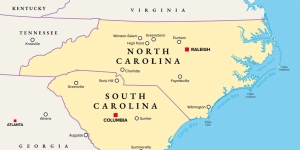

Meteorologists at AccuWeather warn that a colossal weather pattern in the Pacific Ocean can cause a much different winter all across America when the calendar turns to 2027 in a few months.
“This has the potential to be the strongest El Niño on record,” AccuWeather Long-Range Expert Paul Pastelok said. It could easily beat the historic storms of 1982 and 1997.
While southern states brace for relentless rain, vast swaths of the northern states will likely see milder conditions and fewer Arctic freezes.
Trouble out West
Out on the West Coast, Pacific moisture streams known as atmospheric rivers will hit the coastline hard. AccuWeather Senior Meteorologist Chad Merrill explained that the “southern storm track is generally stronger, more active and can produce flooding rain, landslides and heavy mountain snow for parts of the nation.”


Cities known for their ski resorts should see early powder. That snow is much-welcomed after the Bureau of Reclamation recorded historic lows across the Colorado River Basin last season.
However, early and intense snow could easily trigger landslides, coastal erosion, and flash floods from San Francisco down to San Diego.
Meanwhile, the southern storm route will bypass vast parts of the interior during early winter. Merrill noted that the “primary storm track, particularly in the first part of winter, will be across the southern U.S. and leave many areas in the Plains void of snow.”
All quiet on the Eastern Front
Major cities along the East Coast could be looking forward to leaving their shovels in the garage due to an unseasonably warm winter. AccuWeather predicts Philadelphia will see only 5 to 15 inches of snow, roughly half of last year’s total, while Boston will likely receive between 15 and 30 inches.
But as Pastelok warns, “While we are forecasting below-average snow, it only takes one storm to flip the script, especially for the East Coast cities.” He cautioned that forecasters will know more in January.
Pastelok also notes that an early tornado threat could be in play: “A few severe weather events can occur across parts of the Southeast and Mid-Atlantic with the potential for tornadoes.”



