
 Edith Hejberg

The decision marks a sharp turnaround after his office previously criticised the initiative’s leadership and lack of consultation with Israel.


Israeli prime minister Benjamin Netanyahu has confirmed his acceptance of an invitation to join a US-led “board of peace” spearheaded by Donald Trump.
The decision marks a sharp turnaround after his office previously criticised the initiative’s leadership and lack of consultation with Israel.
Originally aimed at Gaza ceasefire oversight
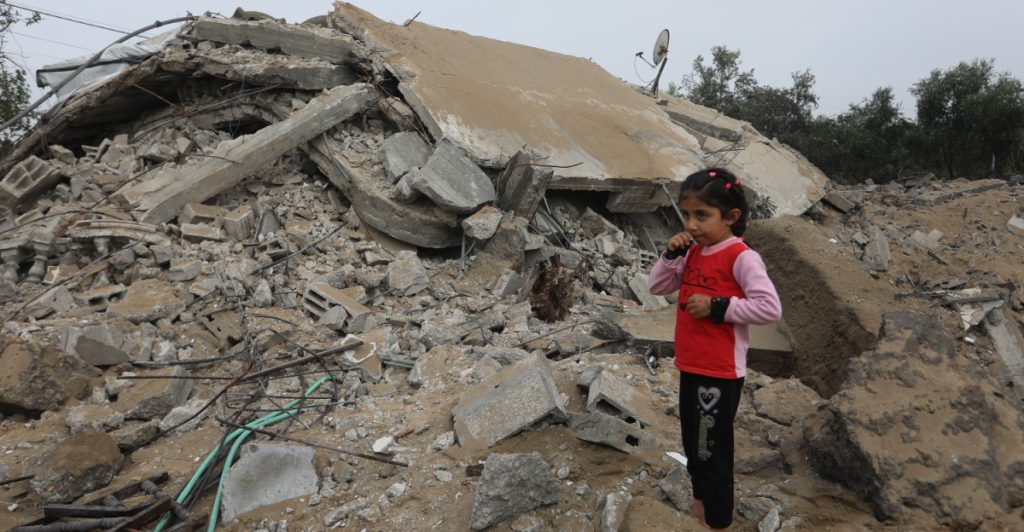
The board was first pitched as a temporary coalition of world leaders to help enforce a ceasefire in Gaza. But the project has since evolved, with Trump and his team now inviting dozens of countries and hinting at a broader mission to resolve conflicts beyond the Middle East.
Trump floats board as UN alternative
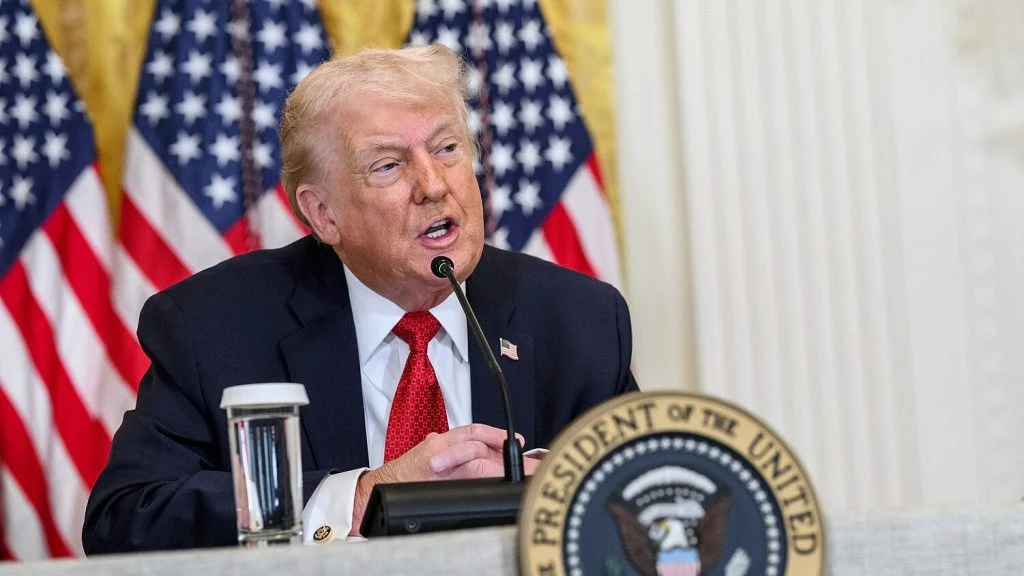
Asked whether the new body could replace the United Nations, Trump responded: “It might.”


While criticising the UN as ineffective, he also left the door open to its continued existence, noting it had “so much potential” if reformed.
Israeli government had strong reservations
Earlier this week, Netanyahu’s office expressed concern over the board’s executive committee, especially due to the inclusion of Turkey, a regional rival.
The Israeli statement said the committee was formed “without coordination” and went against official policy.
Internal backlash from Israeli right wing

Members of Netanyahu’s far-right coalition have fiercely opposed the US plan, insisting that Gaza should be annexed and turned into a new area for Israeli settlements.
The prime minister has yet to respond directly to their criticism.
A growing list of global participants
Countries that have accepted invitations to the board include the UAE, Morocco, Vietnam, Belarus, Hungary, Kazakhstan, and Argentina.
Several others, including the UK, Russia, and the European Commission, are still considering their response.
Vatican response still pending

Cardinal Pietro Parolin, the Vatican’s top diplomat, confirmed that Pope Leo had received an invitation but said it would take time to assess the board’s purpose before replying.
“It requires a bit of time for consideration,” he noted.
Norway declines to participate
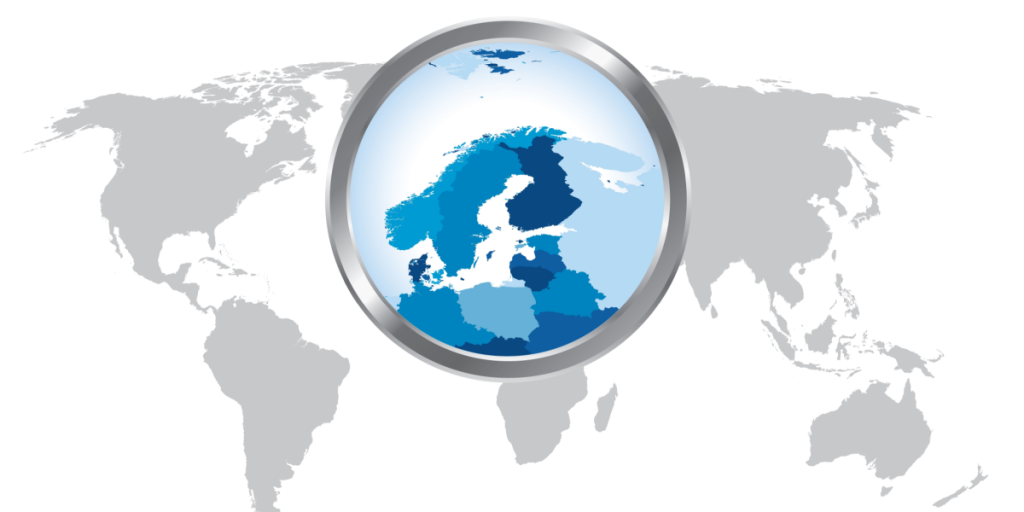
Norway has officially declined to join the board.
A statement from the prime minister’s office said the plan “raises a number of questions” and called for further dialogue with Washington before any future involvement.
Hefty price tag for long-term membership

According to a draft charter obtained by Reuters, member states wishing to stay on the board for more than three years must contribute $1 billion within the first year.
Those who don’t pay would be limited to a shorter term unless renewed by the chair.
Exclusive membership and sweeping powers

The charter states that only countries personally invited by the chair, currently Trump, can join.
The chair would also have the power to expel members and appoint a successor in case of departure, though removals would require a two-thirds veto from the board.
UN institutions seen as outdated

The board’s draft documents argue that existing global institutions “have too often failed” and call for “the courage to depart” from traditional approaches.
Observers see this as a clear swipe at the UN and similar international organisations.
US exits from international bodies intensify

Trump’s administration recently announced plans to withdraw from 66 international agreements and organisations, around half of them tied to the UN system.
The move signals a broader push to reshape how global governance works.
A bold experiment or a risky move?
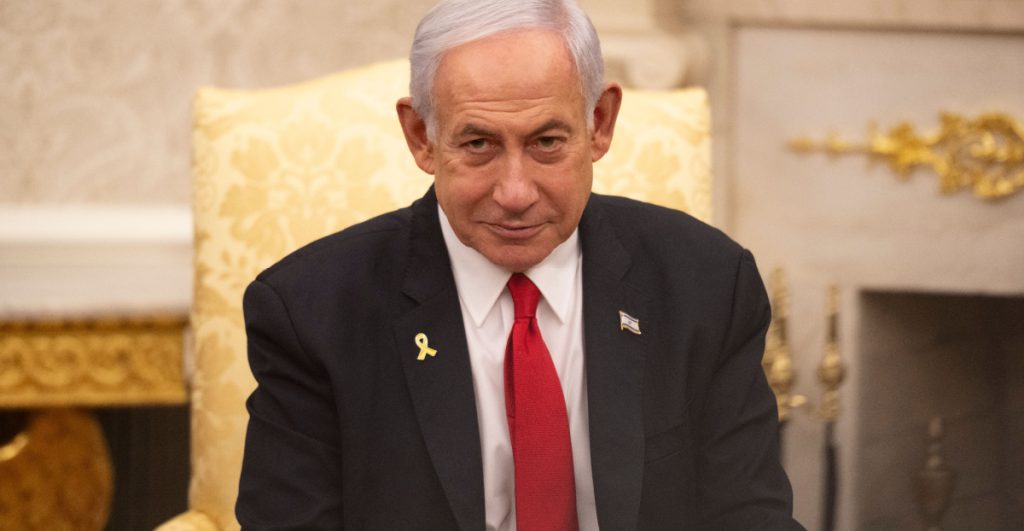
As Netanyahu signs on and more countries consider their positions, the board of peace remains a controversial and untested proposal.
Whether it can succeed, or whether it further fragments international cooperation, remains to be seen.



