
 Anna Hartz
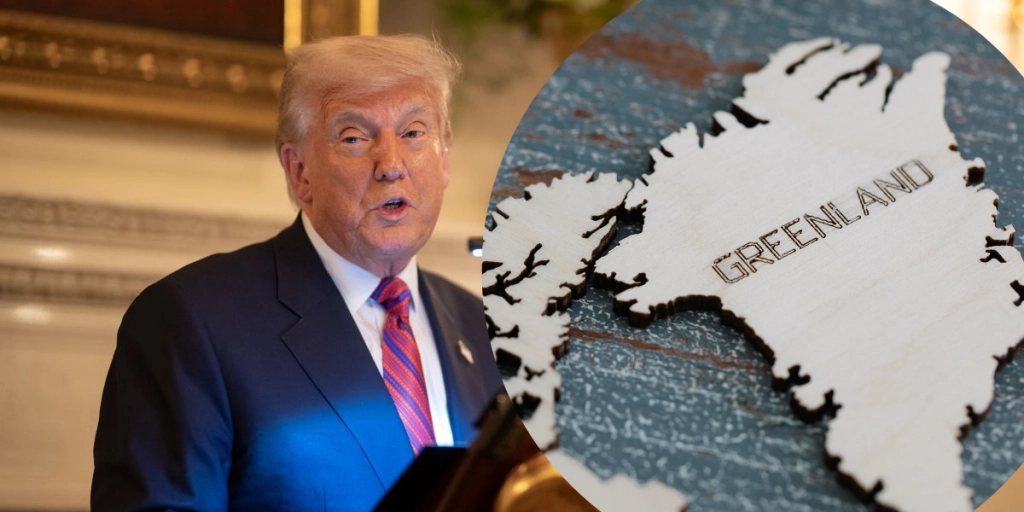
A US controlled Greenland would carry serious scientific consequences.


Inside the museum of American Museum of Natural History, visitors can find Ahnighito, also known as the Cape York meteorite. It is one of the largest meteorites ever discovered and weighs 58 tons.
The meteorite came from northwest Greenland. In 1897, American naval officer and polar explorer Robert E. Peary transported it to New York with help from Inuit guides. He later sold it to the museum.
A One-Sided Deal
For centuries before Danish colonization, local Inuit communities had used pieces of the meteorite to make tools and hunting equipment. Peary removed this vital resource and sold it for 40,000 dollars, a sum worth about 1.5 million dollars today. The deal was deeply one-sided and offers a lesson that still feels relevant.
Today, Donald Trump is focused on something far larger than a meteorite. His push for the United States to take control of Greenland marks a shift from negotiation to pressure. Such a move would carry serious scientific consequences, writes Videnskab.


Greenland plays a central role in global climate research. The island governs itself in most areas, while defense and foreign policy remain tied to Denmark. It is also part of NATO. Like other countries, Greenland regulates access to its land and coastlines through permits. For decades, it has allowed scientists from around the world to study its ice, rocks, and seabed.
Understanding Climate Change
American researchers have benefited greatly from this openness. They have drilled deep ice cores to study the link between carbon dioxide and temperature. NASA missions have repeatedly mapped the land beneath the ice sheet. This work has helped the entire world better understand climate change.
About 80 percent of Greenland is covered by ice. If it melted completely, global sea levels would rise by around seven meters. The melting is accelerating and releasing large amounts of fresh water into the North Atlantic. This could disrupt ocean circulation and affect climate across the northern hemisphere.
The remaining land holds valuable minerals. These resources are more likely to support green technology than fossil fuels. Coal exists but is too costly to extract, and major oil fields have not been found.
Trump has shown little interest in climate cooperation. He has pulled the United States out of major climate agreements and global scientific bodies. A unilateral takeover of Greenland could restrict access for international researchers and weaken vital climate science.
Greenland’s future should be decided by Greenlanders, with Denmark. The future of climate research depends on continued access, guided by those who live there. The Ahnighito meteorite stands as a reminder of how easily control, once lost, is hard to regain.
Sources: Videnskab



