
 Nicolai Haugsted
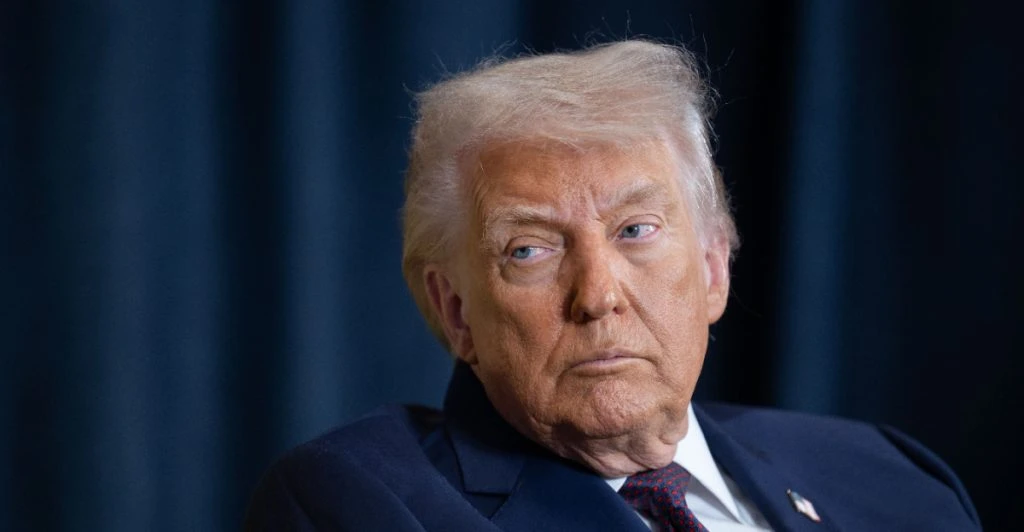
“Conflicting interests cannot simply be erased with speeches and banquets,” evaluates expert.


Diplomatic smiles and carefully staged handshakes dominated headlines after Donald Trump wrapped up his high-profile visit to Beijing alongside Chinese President Xi Jinping.
Publicly, both leaders attempted to project stability. Behind the polished ceremonies and optimistic statements, however, analysts believe the rivalry between Washington and Beijing remains deeply embedded in global politics.
Trump calls summit “unforgettable”
Trump described the summit in glowing terms after meetings concluded Friday, claiming discussions with Xi Jinping had eased tensions between the world’s two largest economies.
“Unforgettable,” Donald Trump reportedly said while reflecting on the talks, adding that several major issues had been resolved during the meetings.


Relations between the United States and China have remained strained for years over trade disputes, technological competition and growing tensions surrounding Taiwan.
Trump himself previously built much of his political rhetoric around confronting China economically, repeatedly criticizing Beijing’s influence on American industry and supply chains during both campaigns and previous terms in office.
Expert warns rivalry remains intact
Despite the unusually warm tone emerging from Beijing, Norwegian China expert Øystein Tunsjø warned that the underlying power struggle between the two nations remains far from solved.
“The summit gives the impression of a constructive and stable relationship. At the same time, conflicting interests cannot simply be erased with speeches and banquets,” said Øystein Tunsjø, professor at the Norwegian Defence University College, to VG.
According to Tunsjø, the apparent softening in Trump’s rhetoric toward China does not erase the strategic ambitions driving both superpowers.
Taiwan and regional dominance remain central
Analysts continue pointing toward East Asia as the central pressure point between Washington and Beijing.
China has long sought greater regional dominance while attempting to reduce American military and political influence across the Pacific.
Washington, meanwhile, remains determined to prevent Beijing from establishing uncontested control in the region.
Taiwan continues sitting at the center of that geopolitical balancing act, with both countries viewing the island as strategically vital.
No major breakthrough announced
Although the summit generated substantial international attention, no significant trade agreement emerged from the talks.
Financial markets initially responded positively to the softer diplomatic tone, though observers caution that symbolic gestures alone are unlikely to change the broader direction of US-China competition.
Political analysts now expect both countries to continue cooperating selectively while simultaneously preparing for a prolonged rivalry likely to shape international relations for years ahead.



