
 Edith Hejberg

“Marco Rubio is much better known to American evangelicals than J.D. Vance,” said Al Mohler, president of the Southern Baptist Theological Seminary.


Donald Trump still dominates Republican politics, but influential evangelical leaders are already thinking about who comes next. Two names are leading the conversation: Vice President JD Vance and Secretary of State Marco Rubio.
For now, Rubio appears to have the edge. Many evangelical leaders believe he can unite both Trump’s MAGA movement and older Reagan-era conservatives.
Still, Vance continues to attract younger conservatives interested in a more populist and aggressive form of social conservatism.
Rubio starts with a major advantage

Evangelical leaders say Rubio has spent years building trust with conservative Christians. He is well known within religious circles and has consistently spoken about faith in public life.


“Marco Rubio is much better known to American evangelicals than J.D. Vance,” said Al Mohler, president of the Southern Baptist Theological Seminary.
Mohler added that both men are well positioned with Christian conservatives, but Rubio’s longer record gives him an advantage.
Evangelicals remain essential in Republican politics

White evangelical Protestants backed Trump by 82 percent in the 2024 election, continuing a trend seen across three election cycles.
In Republican primaries, especially in Iowa and South Carolina, evangelical voters often make up a majority of the electorate.
“There is no path to the nomination that doesn’t pass through the toll booth of evangelical votes,” said Faith and Freedom Coalition founder Ralph Reed.
That makes evangelical support critical for any Republican candidate hoping to win in 2028.
A battle over the future of the Republican Party
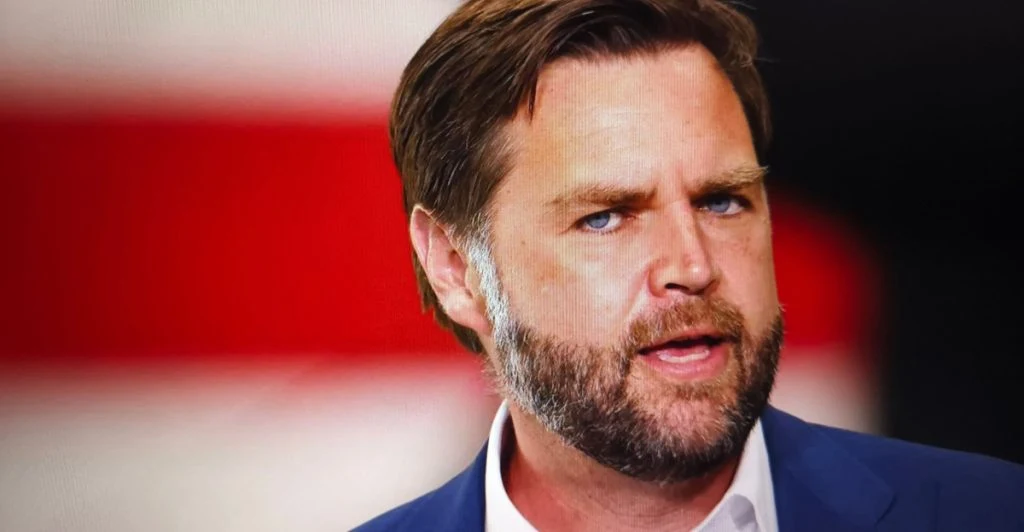
The Rubio-Vance rivalry reflects a larger debate inside conservative politics.
Some evangelicals see Rubio as a return to a familiar style of Republican leadership rooted in traditional conservatism.
Others view Vance as the future — a candidate shaped by populism, nationalism, and a more confrontational cultural agenda.
The 2028 primary could decide which direction the Republican Party takes after Trump.
Rubio speaks the evangelical language naturally

Although Rubio is Catholic, evangelicals say he understands their culture and values better than most politicians.
During his 2016 presidential campaign, he developed close ties with evangelical leaders and regularly attended a Southern Baptist megachurch in Miami.
His reputation strengthened further during his time as secretary of state under Trump.
Many conservatives now see him as someone who can comfortably bridge establishment Republicans and MAGA voters.
Rubio impressed conservatives with his public faith

Rubio earned praise last year for a speech delivered at Charlie Kirk’s funeral.
Evangelical leaders said he sounded more like a preacher than a politician as he discussed the Christian gospel in direct and simple language.
Bob Vander Plaats, a major evangelical figure in Iowa politics, also recalled how Rubio once answered a debate question by immediately quoting Scripture from memory.
“Rubio isn’t shy about sharing his faith,” Vander Plaats said.
Vance remains more mysterious to evangelicals
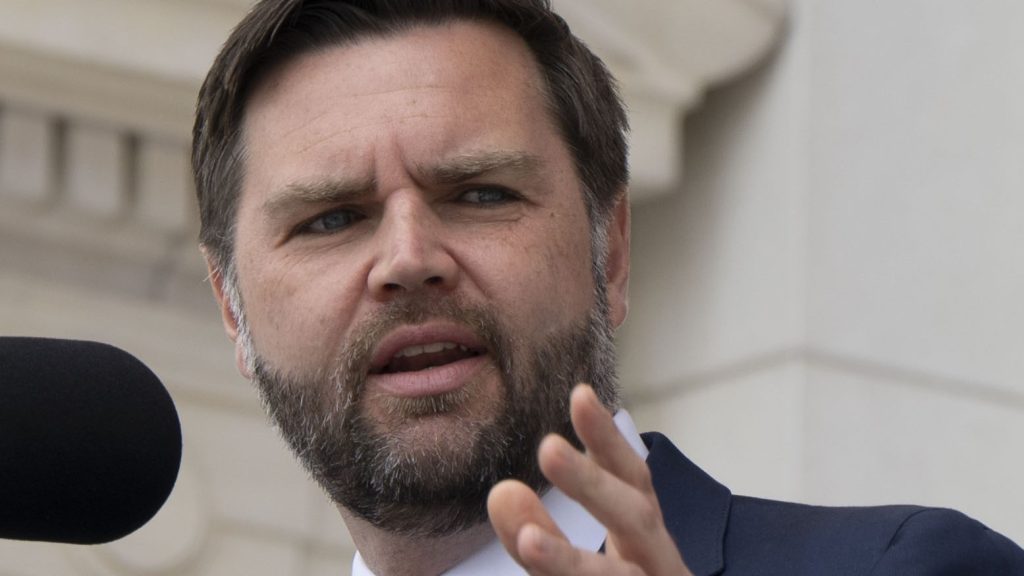
JD Vance is admired by many conservatives, but he is still less familiar to evangelical voters.
Raised in Ohio, he spent time as an atheist before converting to Catholicism, specifically a more traditionalist form that has become influential on the right.
Evangelicals see him as intelligent and serious, but some remain unsure about exactly what he believes on key political issues.
That uncertainty has created both curiosity and caution within conservative Christian circles.
Vance connects with younger conservatives
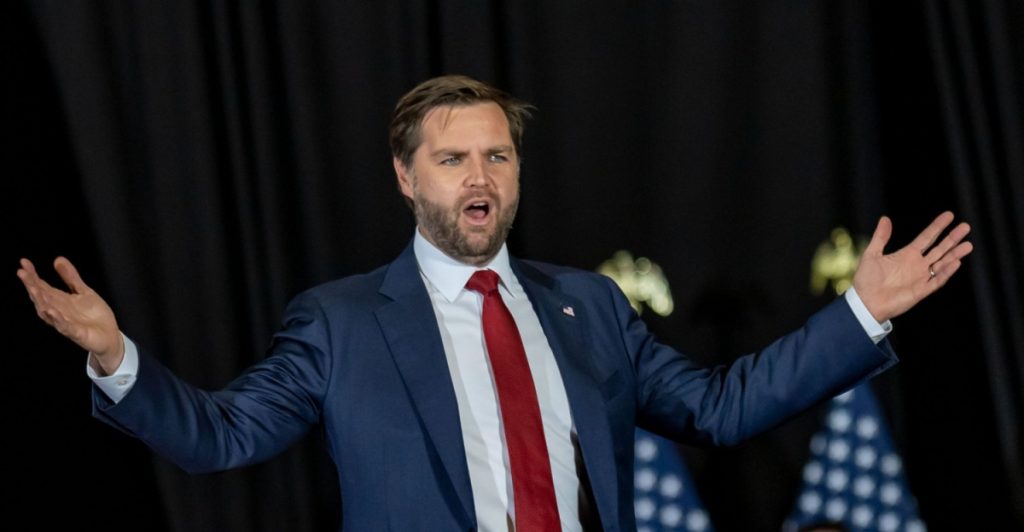
Supporters say Vance offers something different from older Republican leaders.
He talks openly about religion, nationalism, family life, and the failures of modern liberal culture.
At a Faith and Freedom Coalition event in 2024, Vance described praying to Jesus during a sleepless night before a major speech.
He later told the audience he had “felt the touch of God,” a moment many evangelicals described as genuine and moving.
The abortion divide could shape the race

Abortion remains one of the biggest issues for evangelical voters.
Some conservative activists worry Vance has not fully reassured the anti-abortion movement about his long-term priorities.
Rubio, by contrast, is seen as a dependable ally who has consistently supported the movement for years.
The issue could become one of the defining tests in the Republican primary campaign.
Israel is another key point of tension

Support for Israel is deeply important to many evangelical Christians, both politically and theologically.
Some evangelicals are uneasy with Vance’s more non-interventionist foreign policy views, which can conflict with strong support for Israel.
Rubio has taken a much clearer position and leaves little ambiguity about his backing of the Jewish state.
That clarity gives him another advantage with older evangelical voters.
Vance represents a new conservative vision
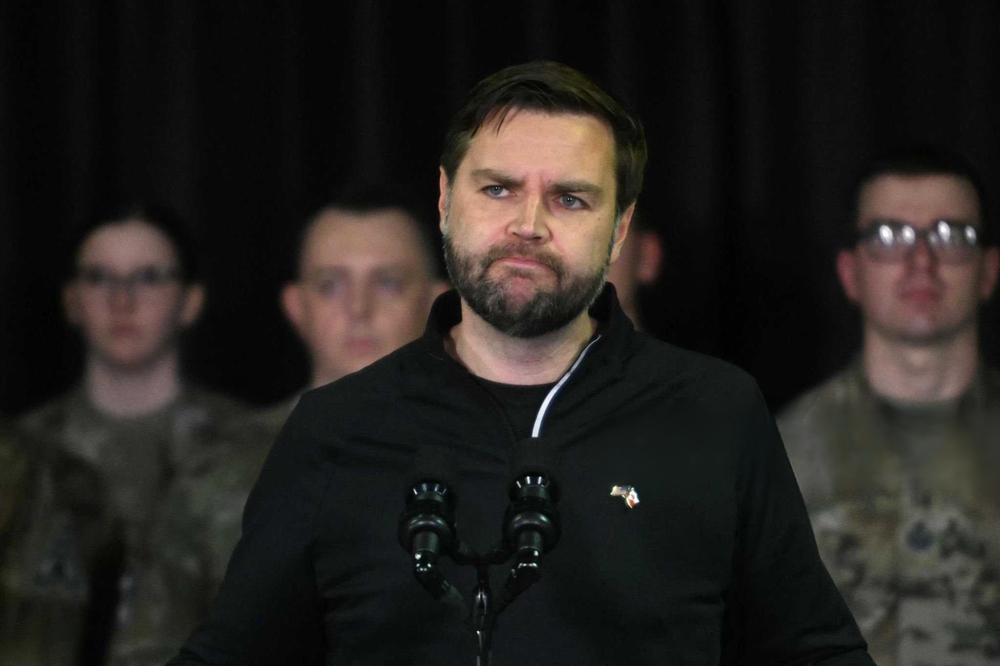
Despite concerns, many younger conservatives are excited by Vance’s broader political philosophy.
They see him as someone willing to use government power to strengthen families, religion, and traditional social structures.
This marks a shift away from the older Republican focus on simply protecting religious freedom from government interference.
Vance’s ideas, influenced by Catholic social teaching and populist economics, appeal to conservatives who believe the right must become more aggressive culturally.
Evangelicals are still deciding
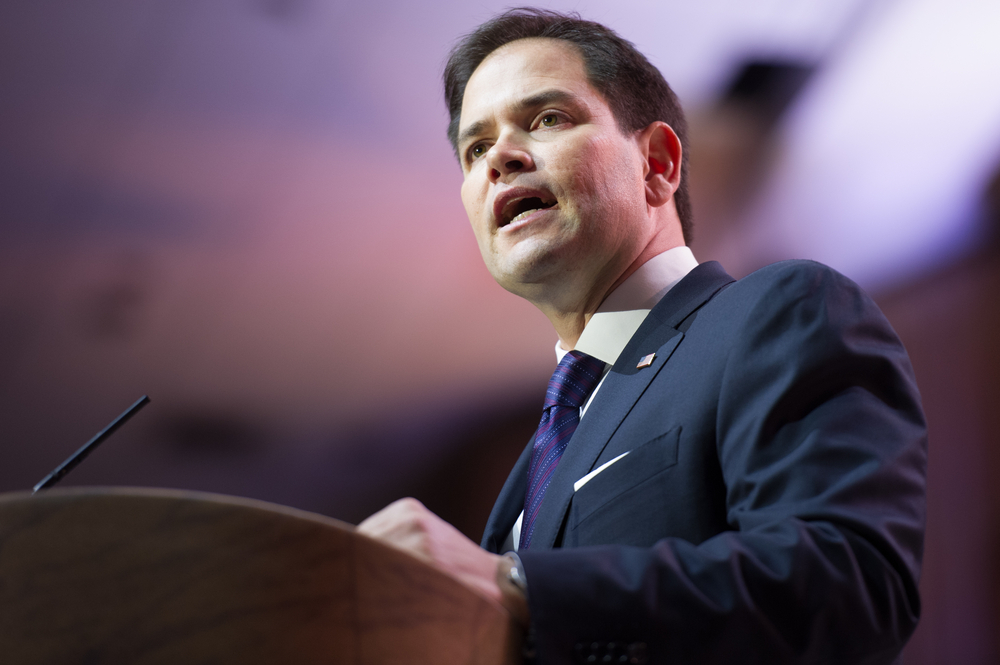
The race for 2028 has not officially started, and neither Rubio nor Vance has announced a presidential campaign.
Some conservatives still hope another candidate, such as Senator Ted Cruz, could emerge.
But evangelical leaders already understand that their voters will again play a decisive role in choosing the Republican nominee.
For now, Rubio may lead the conversation, but many are not ready to count Vance out.
Trump’s shadow still hangs over the race
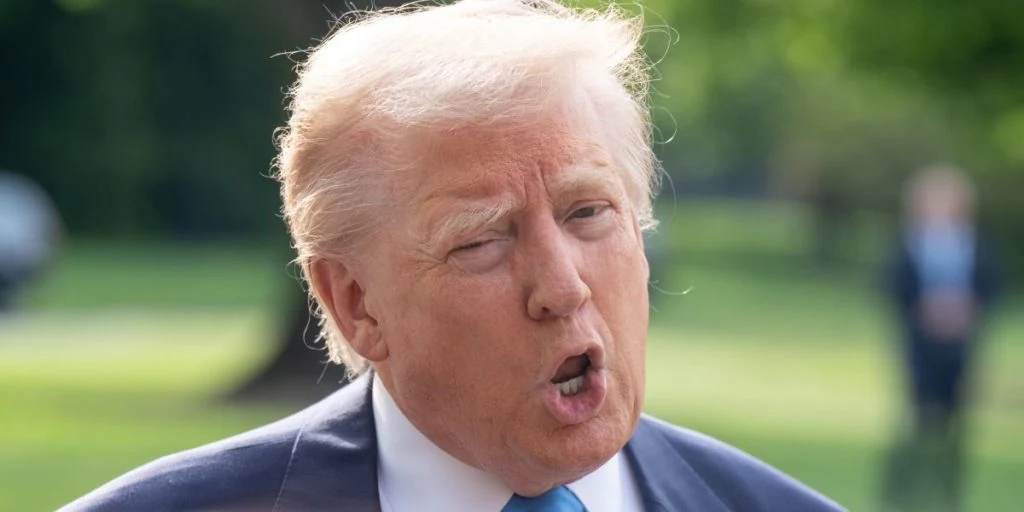
One major unknown remains Donald Trump himself.
If Trump eventually endorses a successor, it could dramatically reshape the Republican primary and discourage challengers.
Until then, evangelical leaders are carefully weighing two very different visions for the future of conservatism.
The contest between Rubio and Vance may ultimately become a fight over what the Republican Party looks like after Trump.



