
 Nicolai Haugsted
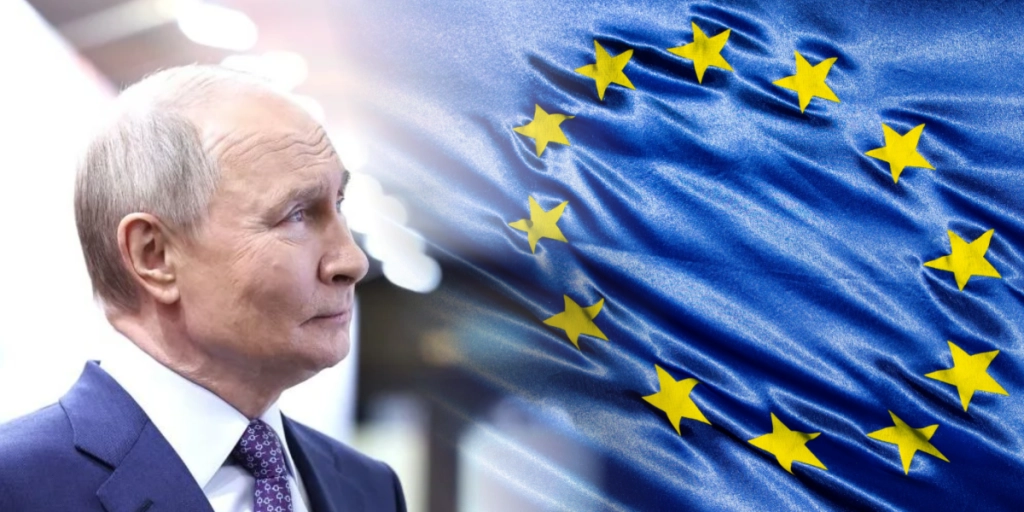
Putin’s nuclear weapons are “a good scenario,” sounds the warning from Russia.


Diplomatic forums are usually designed to showcase economic plans and investment opportunities.
Recent remarks at Russia’s flagship economic gathering delivered a very different message.
Several prominent pro-Kremlin figures used the St. Petersburg International Economic Forum to outline a vision of the future dominated by prolonged conflict, geopolitical confrontation and, in one case, the suggestion that nuclear weapons could represent a favorable outcome for Russia.
Comments emerged as Ukraine continued strikes against targets deep inside Russian-controlled territory, including attacks linked to strategic infrastructure.


Nuclear Remarks Raise Eyebrows
Among the most controversial statements came from businessman and media owner Konstantin Malofeev, a longtime supporter of the Kremlin.
“The use of nuclear weapons, we don’t consider a worst-case scenario. We consider it a good one,” he told attendees according to Express.
Remarks quickly attracted attention because they appeared to frame nuclear escalation not as a last resort, but as part of a broader vision for Russia’s future position in the world.
‘We Need to Learn to Live With This War’
Another notable contribution came from Andrey Bezrukov, a former Russian intelligence officer who spent years operating undercover in the United States before being exposed and returned to Russia in a prisoner exchange.
Addressing the future of the conflict, he suggested that Russians should prepare for a lengthy period of confrontation.
“We must recognise that for the next few years, maybe a couple of decades, we will be at war,” Bezrukov said.
He argued that future conflict could take different forms, ranging from direct military fighting to lower-intensity confrontations spread across multiple regions.
Ukraine Continues Pressure Campaign
Forum discussions unfolded against a backdrop of ongoing Ukrainian operations targeting Russian and Russian-controlled infrastructure.
Reports indicated damage to facilities connected to oil transport and military operations near St. Petersburg, while further strikes were reported in occupied territories.
Ukrainian forces also unveiled a domestically developed air-defense missile project designed to intercept ballistic missile threats.
Project is viewed as an attempt to strengthen Ukraine’s defensive capabilities amid delays in deliveries of some Western systems.
Competing Visions of the Future
Several speakers at the forum argued that Russia faces a long-term struggle against what they described as Western efforts to weaken or isolate the country.
Malofeev went further, predicting a future in which Russia expands its influence while Europe becomes increasingly fragmented.
Such scenarios reflect views often heard among nationalist voices close to the Kremlin, though they remain highly contested both inside and outside Russia.
Diplomacy Remains Distant
At the same time, European governments continue exploring possible pathways toward negotiations.
Britain, Germany and France have all discussed frameworks that could eventually bring Moscow back to the negotiating table.
Public statements from Russian officials, however, offered little indication that the Kremlin is preparing to end military operations in the near future.
Instead, several speakers described a future in which confrontation with the West remains a defining feature of Russian policy for years—or even decades—to come.



