
 Edith Hejberg
To fight winter hunger, Karine recommends warm, protein-heavy soups. Lentils, chicken, beans, tomatoes, and quinoa all make great additions.


As temperatures drop, it’s common to find yourself reaching for comfort food like toast, pasta, and chocolate.
These cravings are part of a biological response, your body needs more fuel to stay warm during cold weather. So if you’re hungrier than usual, you’re not imagining it.
Your body burns more energy to keep warm

Weight loss dietitian Karine Patel explains that in winter, your body works harder to maintain its internal temperature.
That extra effort requires more energy, which is why you’re likely to crave calorie-dense foods as soon as you step inside from the cold.


Carb cravings linked to low serotonin

Another reason you might be eyeing the biscuit tin? Serotonin. This “feel-good” hormone dips in the winter months due to less sunlight.
Carbohydrates help increase serotonin levels, which may explain why comfort foods seem more appealing when it’s grey and gloomy.
Ghrelin: the hunger hormone spikes in winter

Winter triggers an increase in ghrelin, the hormone that tells you you’re hungry.
This spike is a survival mechanism, encouraging both animals and humans to eat more in preparation for harsher conditions, even if food is abundant.
Why you still feel hungry after eating

That surge in ghrelin can create a false sense of hunger, making you feel ravenous even after a meal.
This leads to more frequent snacking and the temptation to overeat, which many people experience in the colder months.
Protein-rich soups are your secret weapon

To fight winter hunger, Karine recommends warm, protein-heavy soups. Lentils, chicken, beans, tomatoes, and quinoa all make great additions.
“Warmth and protein are the winners when it comes to winter hunger,” she says.
Start your day with protein to stay full longer

Avoid the mid-morning snack trap by starting your day with protein.
A hearty breakfast helps maintain energy levels and keeps you feeling satisfied well into the afternoon, making it easier to avoid reaching for sugary treats.
Smart snack swaps: cinnamon, Greek yoghurt and berries

Karine suggests Greek yoghurt with berries and cinnamon as a satisfying snack. “High protein with slow-release carbs,” she says.
“Cinnamon stabilises blood sugar control, extremely important to stop winter cravings.”
Cottage cheese is a winter winner
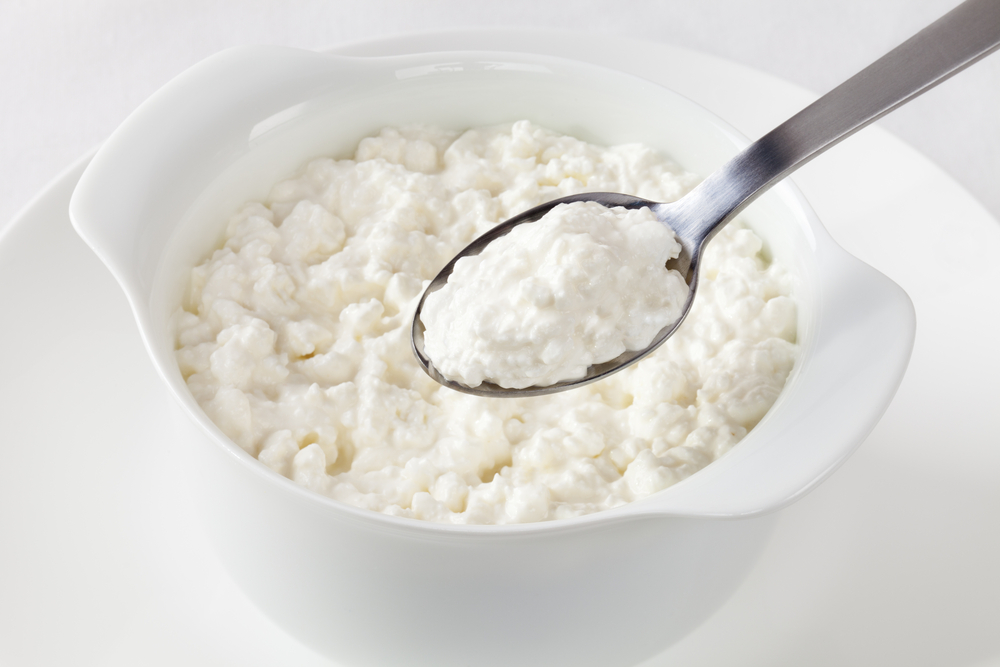
Another smart addition to your winter diet is cottage cheese.
It’s rich in protein and omega-3 fatty acids, great for keeping you fuller for longer and supporting brain health during the darker months.
Hot drinks help tame your appetite

Staying hydrated is key, but icy drinks won’t help when you’re cold. Karine recommends swapping them for herbal teas.
Warm beverages keep you hydrated, help reduce hunger caused by dehydration, and offer a comforting ritual in chilly weather.
Your hunger isn’t a lack of willpower

It’s easy to blame yourself for winter snacking, but your increased appetite has more to do with biology than willpower.
Understanding how your body responds to seasonal shifts is the first step toward managing those cravings.
Manage cravings with meal planning

Batch-cooking nutrient-rich meals like soups or hearty stews can help you stay on track.
Having healthy, satisfying meals ready to go makes it easier to resist last-minute carb-heavy snacks when hunger strikes.
Embrace winter, don’t fear your appetite

Rather than fighting your winter cravings, work with them. Choose foods that nourish, satisfy, and support your mood.
With a few smart swaps and a bit of planning, you can stay healthy and happy through the colder months.



