
 Edith Hejberg

Just hours before the EU’s announcement, Russia’s central bank filed a lawsuit in a Moscow court against Euroclear, the Brussels-based financial institution holding most of the frozen funds.


The European Union has decided to freeze €210 billion in Russian central bank assets held within the bloc, indefinitely.
This unprecedented move shifts from the previous six-month renewals to a permanent freeze, blocking Russia’s ability to access the funds unless it ends its war against Ukraine and pays for the damage caused.
A legal shield against future vetoes
By invoking emergency powers, the EU removes the risk that a Kremlin-friendly member state like Hungary could veto the asset freeze in future reviews.
It’s a strategic step to keep pressure on Moscow and show long-term commitment to supporting Ukraine’s defence.


Russia threatens Euroclear with legal action

Just hours before the EU’s announcement, Russia’s central bank filed a lawsuit in a Moscow court against Euroclear, the Brussels-based financial institution holding most of the frozen funds.
The suit claims that Euroclear’s “illegal actions” have harmed Russia’s financial operations.
Euroclear caught in the legal crossfire

Euroclear, once a quiet fixture of Europe’s financial infrastructure, now faces over 100 legal claims in Russia.
Although it has no control over what’s done with the immobilised funds, it’s at the heart of a geopolitical showdown between the EU and Moscow.
€90bn loan proposal for Ukraine stalls

The European Commission has proposed a €90 billion loan to Ukraine, using interest from the frozen assets as collateral.
But the plan has hit a roadblock, Belgium is holding out, worried that Russian lawsuits could lead to retaliatory asset seizures on its soil.
Belgium demands ironclad guarantees

Belgium’s Prime Minister Bart De Wever wants strong legal guarantees before supporting the loan plan.
He fears that Belgium could be left footing a massive legal bill if Russia sues, a risk the country isn’t willing to take without shared EU responsibility.
Starmer and De Wever push for unity
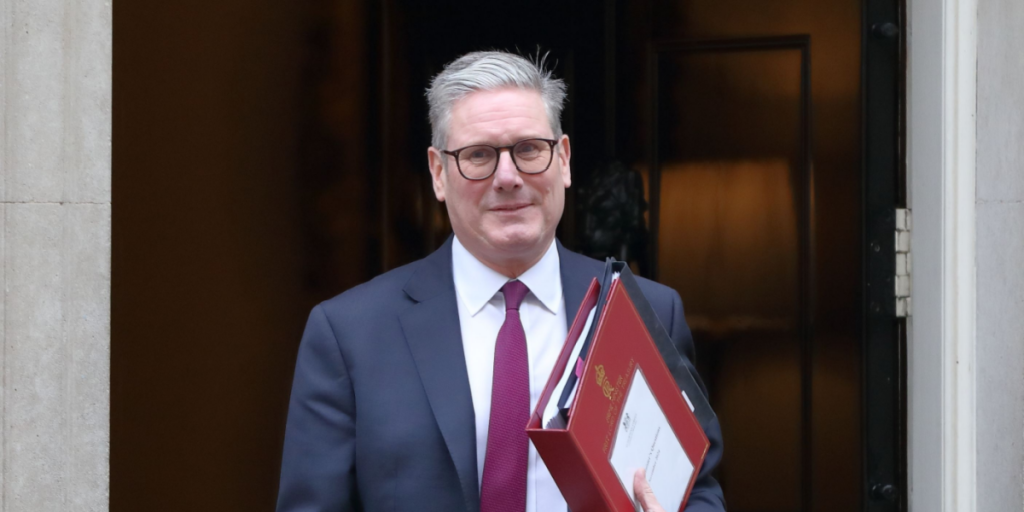
In London, De Wever met UK Labour leader Keir Starmer for talks that included the asset freeze.
Both sides agreed on the need to maintain economic pressure on Russia and keep Ukraine in a strong position to negotiate peace.
EU summit looms as Ukraine faces cash crisis
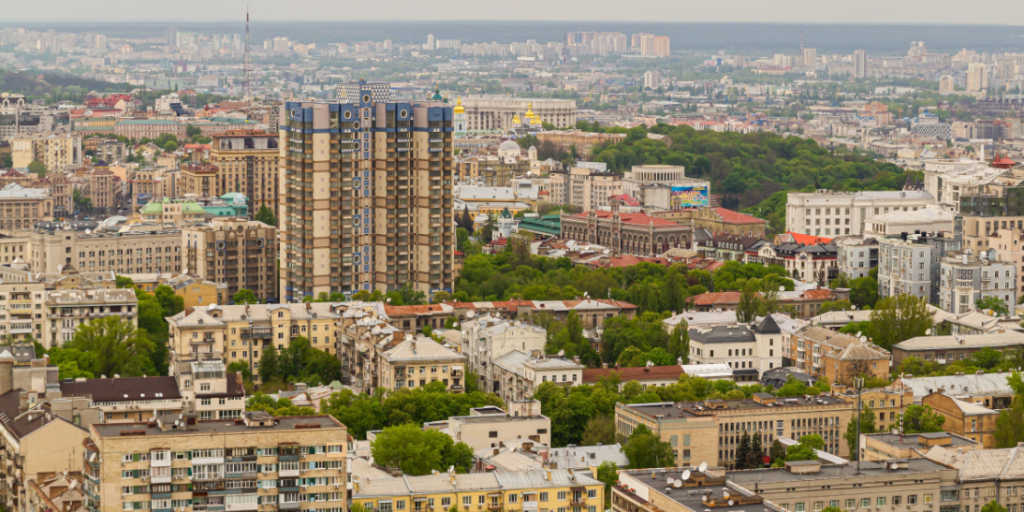
The clock is ticking. At next week’s EU summit, leaders must finalise long-term financial aid for Ukraine.
Kyiv warns it could run out of money by spring, threatening its ability to fund its defence and keep vital public services running.
Two-thirds of Ukraine’s needs covered

The EU’s proposed €90bn loan would cover about two-thirds of Ukraine’s funding needs for 2026 and 2027. Officials expect the remaining gap to be filled by international partners like the UK, US, and other G7 nations.
Belgium resists joint debt approach
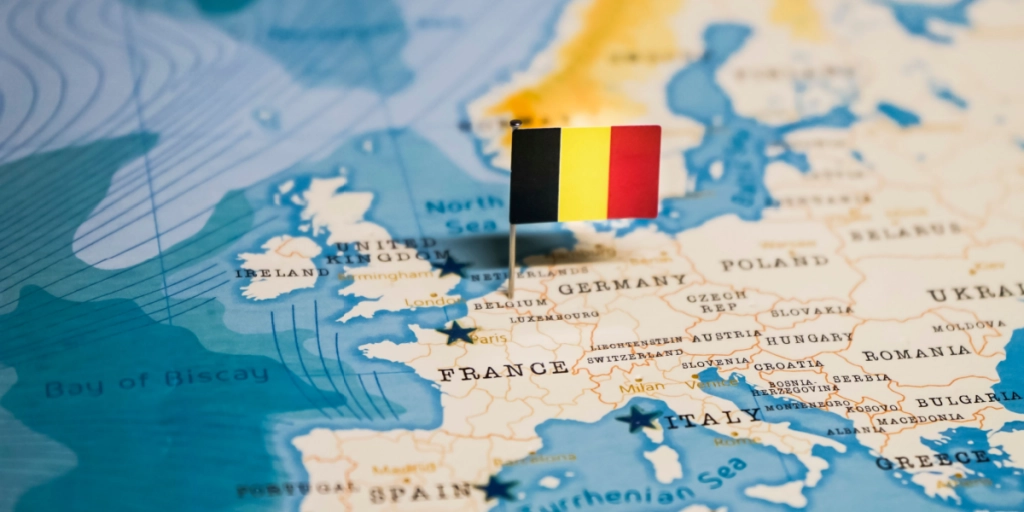
Belgium has rejected the idea of using the EU’s budget “headroom” to take on new joint debt. Instead, it prefers that other options be explored, arguing that the current proposal is risky, possibly illegal, and could destabilise the euro.
Legal and political tensions within the EU
Belgium, Italy, Malta and Bulgaria have all insisted that only EU leaders, not the Commission, should decide how to use Russia’s frozen funds.
They’ve called for continued discussion of legally sound alternatives that won’t backfire on member states.
Germany backs the asset-based loan

Germany, usually fiscally cautious, is siding with the Commission. It has promised to guarantee a quarter of the loan to Ukraine (€50bn), backing the idea that the frozen assets provide the best path forward without raising new EU debt.
UK and US support, but differ in scale

The UK, which holds €27bn in Russian assets, supports using the funds to help Ukraine.
The US, with a much smaller €4bn stake, is less involved but still part of the broader conversation among G7 nations considering similar moves.



