
 Edith Hejberg

Some citizens see Maduro’s removal as a rare opening to rebuild institutions and restore basic rights.


One month after the US operation that led to the capture of President Nicolás Maduro, daily life in Venezuela feels suspended between shock and expectation. Washington says the country is changing, but many Venezuelans are unsure what those changes really mean. The word “transition” is being used often, yet its meaning on the ground remains unclear.
Civilians caught between hope and fear

Some citizens see Maduro’s removal as a rare opening to rebuild institutions and restore basic rights. Others worry that the promised transition could stall or simply replace one power structure with another. In Caracas, conversations swing between cautious optimism and deep skepticism about what comes next.
Living with the trauma of the raid

For many, the violence of the US operation is still fresh. A bioanalyst from eastern Caracas, who asked to remain anonymous, described lingering anxiety after witnessing explosions from afar. She avoids going out at night and reacts strongly to loud noises, waiting to see if any “real” change will follow.
The human cost of the operation

Interior Minister Diosdado Cabello says at least 100 people were killed and another 100 wounded during the raid on Maduro’s compound. Maduro and his wife, Cilia Flores, were arrested and transferred to the US to face federal charges, marking an unprecedented moment in Venezuelan history.


An acting president and a legal gray zone

After Maduro’s capture, then, Vice President Delcy Rodríguez assumed the role of acting president. The Supreme Court declared Maduro’s arrest a “forced absence,” a situation not defined in the constitution. Rodríguez has framed this as the start of a new political era.
Swift changes behind the scenes

Rodríguez has reshuffled the cabinet and made extensive changes within the armed forces. Experts consulted by CNN say at least 28 significant military appointments have been altered. Supporters see this as consolidation; critics see it as power being carefully re-centered.
Mixed economic and social signals
Signs of change are uneven. Meat and chicken prices have dropped, real estate prices have risen by 22%, and airlines such as American Airlines are returning. At the same time, visa restrictions remain in place and deportations of Venezuelans from the US continue.
Diplomacy resumes, cautiously
The US Embassy in Caracas has reopened, led by chargé d’affaires Laura Dogu. Venezuela has named Félix Plasencia as its representative in Washington. US officials say their priorities are stabilization, economic recovery, and reconciliation, while Venezuela’s government calls this the start of a new era of international engagement.
Political prisoners and guarded optimism
Some opposition figures, including Andrés Velásquez and Delsa Solórzano, have emerged from hiding. Citizens like Carlos Núñez see the release of political prisoners as an important precedent, even if many legal and economic problems remain unresolved.
Voices of doubt and dissent

Not everyone welcomes change. Graphic designer Jessica Díaz says she hopes Maduro and his wife return. Others remain fearful, noting that arbitrary searches and questioning by authorities still happen, despite official talk of reform.
Is this really a transition?
Political scientist Benigno Alarcón argues that Venezuela is not yet in a true transition. He describes the current phase as coercive and preparatory, lacking three essentials: a new effective government, new institutional rules, and decentralized control of the security forces.
Elections delayed, power preserved
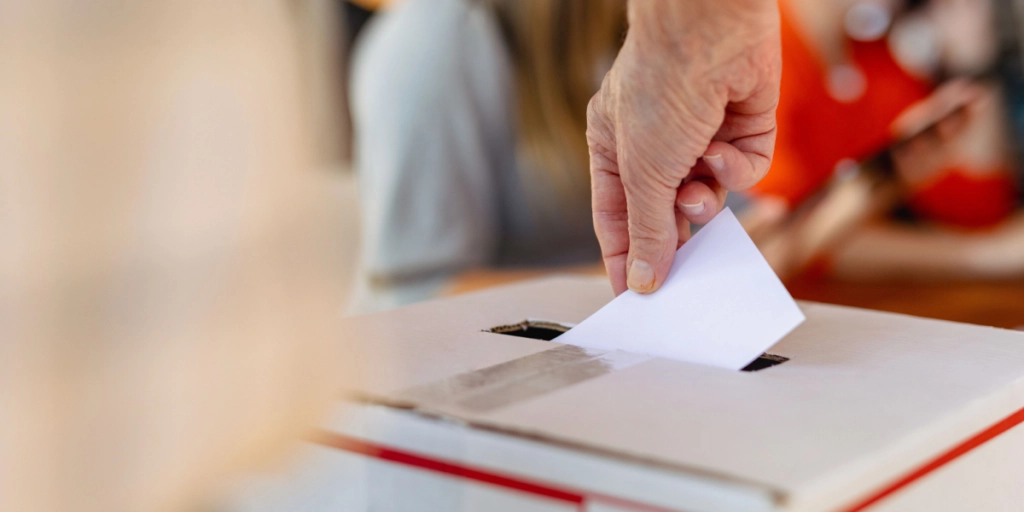
Alarcón believes those in power are reluctant to hold elections unless polls favor them. He argues that constitutional timelines are being stretched to keep Rodríguez in office, with judicial backing. External US pressure matters, he says, but legitimacy can only come from Venezuelan voters.
Demands for full accountability

Legal scholar Juan Carlos Apitz says the moment belongs to citizens, not to a new or old regime. He insists that the unconditional release of all political prisoners is the first real step toward democracy. Without dismantling repression or accountability for past abuses, many Venezuelans remain unconvinced that lasting change is underway.



