
 Kenneth Glad
A former Guardia Civil officer who led the failed 1981 coup attempt, has died at 93 as Spain releases newly declassified files on the plot. His death coincides with renewed scrutiny of one of the most consequential nights in the country’s post-Franco history.

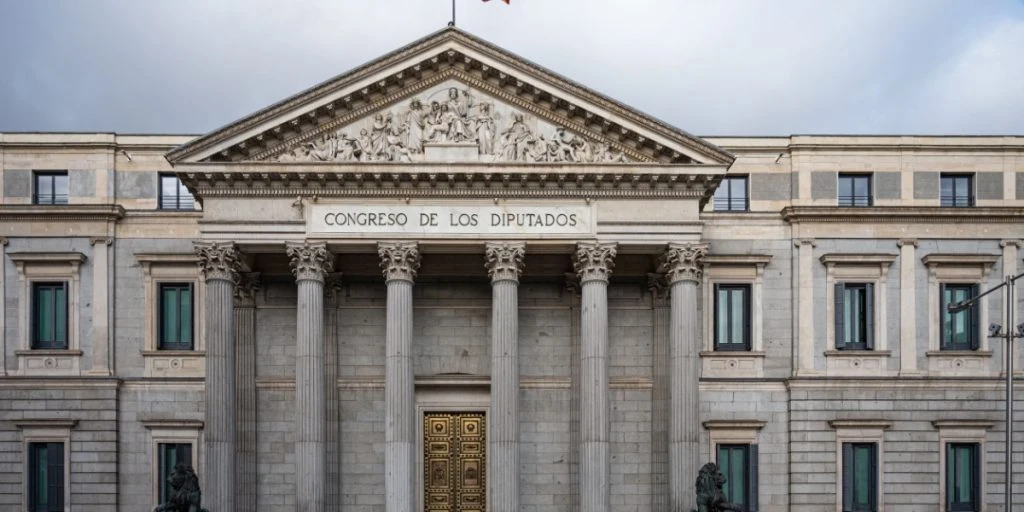
In Spain, “23-F” refers to 23 February 1981, the day armed officers stormed parliament in an attempt to halt the country’s transition to democracy. The constitution had been approved only three years earlier, in 1978, and the institutions it created were still finding their footing.
Antonio Tejero Molina, the Guardia Civil lieutenant colonel who led the assault, died yesterday, 25 February 2026, aged 93. The Spanish newspaper El País reported that he died in Xàtiva, in eastern Spain, on the same day the government declassified 153 documents related to the failed coup. Several Spanish outlets quickly drew attention to the timing.
In a statement carried by El País, his family said he died surrounded by his children after receiving the last rites, describing a life devoted “to God, Spain and his family.” His lawyer, Luis Felipe Utrera Molina, wrote that he had been “a man of honour” with “unshakeable faith and a great love for Spain.”
Shots in the chamber
Tejero, born in 1932 in the Málaga province, had previously taken part in a failed 1978 conspiracy known as Operation Galaxia, for which he served a short prison sentence. By 1981, tensions over regional autonomy, terrorism and the pace of reform had unsettled parts of the security forces.


On the afternoon of 23 February, as lawmakers gathered to vote on the investiture of Leopoldo Calvo-Sotelo as prime minister, Tejero entered the Congress of Deputies with close to 200 armed civil guards, according to El País.
Shouting “Everyone freeze!” he fired into the ceiling. Deputies hit the floor. The gunshots left marks that are still pointed out to visitors today.
The standoff dragged on for hours. Shortly after midnight, King Juan Carlos I appeared on national television in military uniform, instructing the armed forces to respect the constitutional order. His intervention isolated the coup leaders, and by the following day they had surrendered.
Tejero was later convicted by the Supreme Court of military rebellion and sentenced to 30 years in prison. He served about 15 years before his release, the last of the principal figures to leave jail.
Defiance and newly opened files
He did not publicly repent. In a 2023 interview with El Español, he said: “It cost me my career and my freedom, but I don’t regret having tried.” After prison, he devoted much of his time to painting and occasionally reappeared in political debates, including protests in 2019 against the exhumation and reburial of Francisco Franco.
Hours before his death was announced, the government published 153 previously classified documents about the coup. Prime Minister Pedro Sánchez wrote on X: “Truth, memory and democracy. Because remembering the past is the best way to move forward with progress, harmony and freedom.”
Click to display external content from t.co,
- You can always enable and disable third-party content.

You agree to display external third-party content. Personal data may be sent to the provider of the content and other third-party services.
According to reporting by The Guardian on the newly released interior and defence ministry files, investigators identified individuals who had prior knowledge of preparations for the coup and others who later attempted to reduce their criminal responsibility. Some defence arguments, the documents indicate, involved alleging royal involvement — claims that official investigations have rejected.
Tejero’s death leaves few surviving protagonists of 23-F. The newly available records add detail to an episode that remains central to how Spain understands its modern democracy.
Sources: El País; The Guardian; El Español



