
 Kenneth Glad
Fresh exchanges of fire and air power have sharply raised tensions between Islamabad and Kabul, drawing concern from regional capitals. Officials on both sides are trading accusations as the risk of further escalation grows.


Violence has flared again along the mountainous frontier separating Pakistan and Afghanistan, ending months of uneasy calm. The 2,600km (1,615-mile) border — rooted in the disputed Durand Line drawn during British rule — has long been a source of friction.
Islamabad accuses Afghanistan’s Taliban authorities of tolerating militants who carry out attacks inside Pakistan. The Taliban on the other hand denies that Afghan territory is used to threaten other countries and say Pakistani strikes have harmed civilians.
A ceasefire brokered by Turkey and Qatar last October briefly reduced hostilities after a week of deadly clashes. But negotiations failed to produce a broader agreement, and tensions steadily resurfaced in the strategic border regions, including Pakistan’s Khyber Pakhtunkhwa province. Pakistan, which is nuclear-armed, views instability there as a direct national security threat.
That fragile calm has now collapsed.


Two Nights of Strikes
In its coverage, the BBC says the latest escalation began around 20:00 local time on Thursday, 26 February, when Taliban officials announced what they described as a “retaliatory operation” against Pakistani military posts in provinces such as Nangarhar and Paktika.
Taliban statements claimed that 19 Pakistani posts were captured and dozens of soldiers killed. The BBC noted that these figures could not be independently verified.
Pakistan responded quickly. Officials in Islamabad accused Taliban forces of opening “unprovoked fire” into Khyber Pakhtunkhwa and said their troops mounted an “immediate and effective response.”
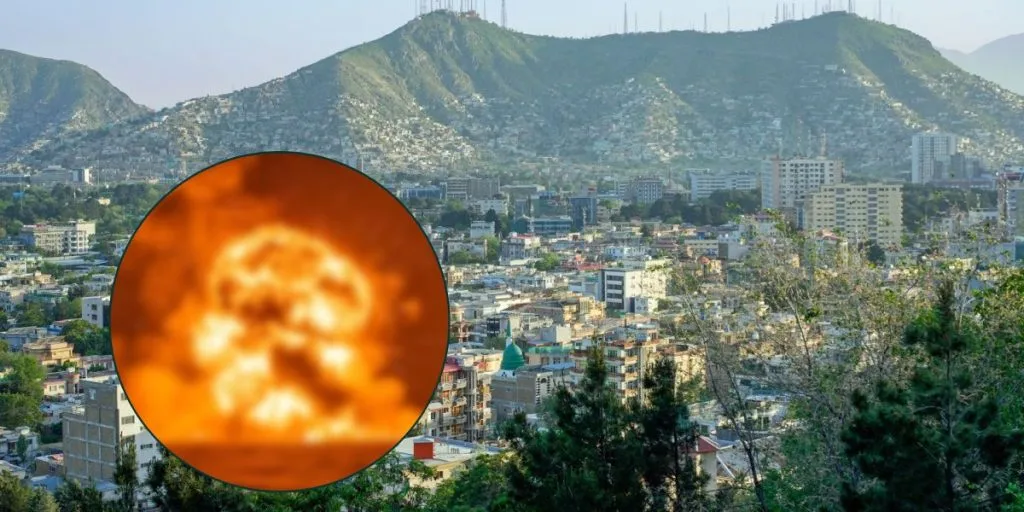
Before dawn on Friday, 27 February, Pakistani aircraft struck targets in Kabul as well as in Kandahar and Paktika, areas close to the rugged border.
The fighting soon expanded beyond the initial exchanges.
Pakistan’s military spokesperson said 22 Afghan military sites were targeted and that more than 200 Taliban fighters were killed, while 12 Pakistani soldiers died. Taliban spokesman Zabihullah Mujahid rejected that account, saying 13 Taliban fighters were killed and alleging civilian injuries, including damage to homes and a religious school.
Independent confirmation of the competing claims has not been available, according to the British broadcaster’s reports. Much remains unclear.
Taliban sources told the BBC that drones were launched toward Pakistan. Pakistani officials said drones aimed at Swabi, Nowshera and Abbottabad — a major garrison city that houses the country’s military academy — were intercepted and destroyed.
Regional Concern, Harder Rhetoric
As the situation deteriorated, several governments urged restraint. Iran has offered to “facilitate dialogue” and called for differences to be resolved through “good neighbourliness and dialogue.” China appealed for calm, and UK Foreign Secretary Yvette Cooper called for “immediate steps toward de-escalation.”
Pakistani leaders, however, struck a defiant tone. Defence Minister Khawaja Muhammad Asif said the country was in “open war,” declaring: “Our patience has now run out.”
Prime Minister Shehbaz Sharif said Pakistan had “the full capability to crush any aggressive ambitions” and would make “no compromise” in defending its territory.
Michael Kugelman of the Atlantic Council told the BBC that the notable shift was that Pakistan’s latest strikes appeared to target Taliban government facilities rather than only militant hideouts. “It’s now targeting the regime itself,” he said.
Whether this proves to be a contained but intense flare-up or the start of a more sustained confrontation is uncertain. For now, tensions along the border remain high.
Source: BBC News



