
 Edith Hejberg

Justice Minister Paul Goldsmith confirmed that the move was always part of the coalition’s plan.


In New Zealand, English is the everyday language for the vast majority of people. Around 95% of the population uses it daily in schools, workplaces, and public life.
Yet despite its dominance, English does not currently have official legal status in the country. By law, the recognized official languages are Māori and New Zealand Sign Language.
This unusual situation has sparked a new political debate about whether English should formally join them.
A new bill from the ruling coalition

In early March, New Zealand’s ruling coalition introduced a bill to recognize English as an official language.


Supporters argue that the change would simply reflect reality. Since English is already the language most people use, they say it should be formally acknowledged in law.
The proposal now heads to Parliament, where lawmakers will examine the bill and debate its necessity.
A change the government says will happen
Justice Minister Paul Goldsmith confirmed that the move was always part of the coalition’s plan.
“This was part of the coalition’s agenda. It’s not our top priority, far from it. But it […] will be done,” he said.
While the government admits the issue is not urgent, it still intends to push the legislation forward.
Fixing what supporters call an “anomaly”

Foreign Minister Winston Peters is among those defending the proposal.
He believes the lack of official status for English is unusual given its widespread use across the country.
Peters described the situation as the correction of an “anomaly.” According to him, formal recognition would simply bring the law in line with everyday reality.
Concerns about language use in public services

Supporters of the bill also say practical concerns are involved.
Peters argues that the increasing use of Māori in public services has sometimes created confusion. In certain cases, he claims, it may even raise security issues.
Because of this, some government figures believe recognizing English officially would clarify communication.
Critics say the measure is unnecessary
Opposition politicians strongly disagree with the proposal.
Many members of Parliament argue that the bill solves a problem that does not exist. Since English already dominates public life, they say legal recognition would change little.
For critics, the move appears symbolic rather than practical.
Many English-speaking countries do the same
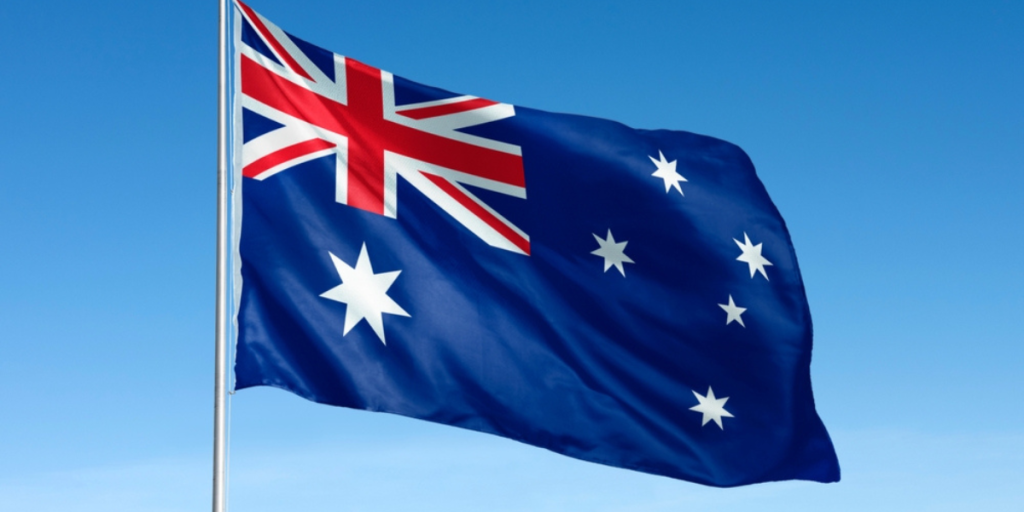
The situation in New Zealand is not unique. Several English-speaking countries never formally declared English an official language.
Australia, for example, has no official language at all. The United Kingdom itself also lacks one at the national level.
Only Wales has a legally recognized language, Welsh, while groups continue to campaign for official status for Gaelic in Scotland.
Should English really need protection?

Supporters of the bill argue that recognizing English would help protect it.
Winston Peters says it makes “common sense” to recognize English as a de jure language “in order to better defend it,” according to The Spinoff.
However, critics question whether a language spoken by nearly the entire population truly needs legal protection.
When official languages protect minorities
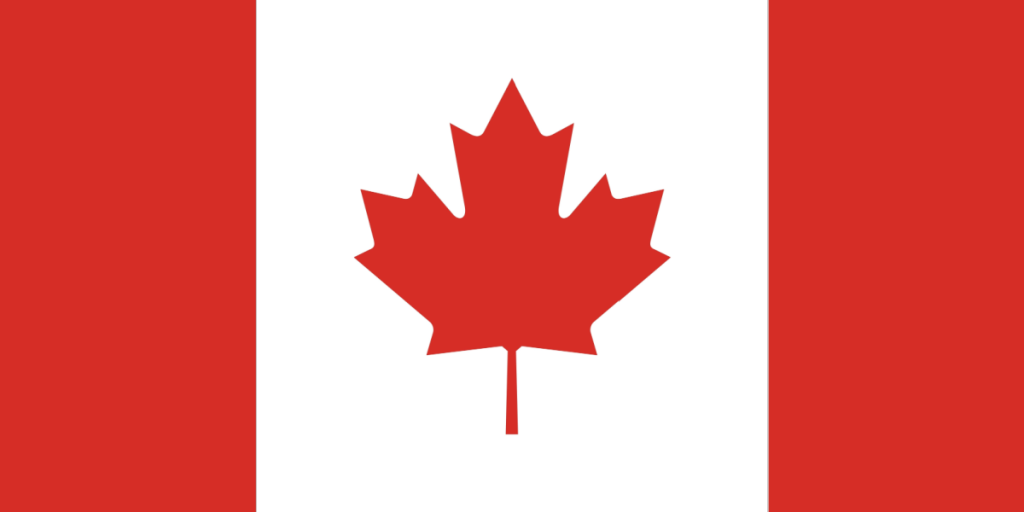
In many countries, official language status exists mainly to protect minority languages.
Canada offers a well-known example. Both English and French were made official to prevent one from overshadowing the other.
In that context, recognition helps balance linguistic power rather than reinforce a dominant language.
A debate shaped by politics
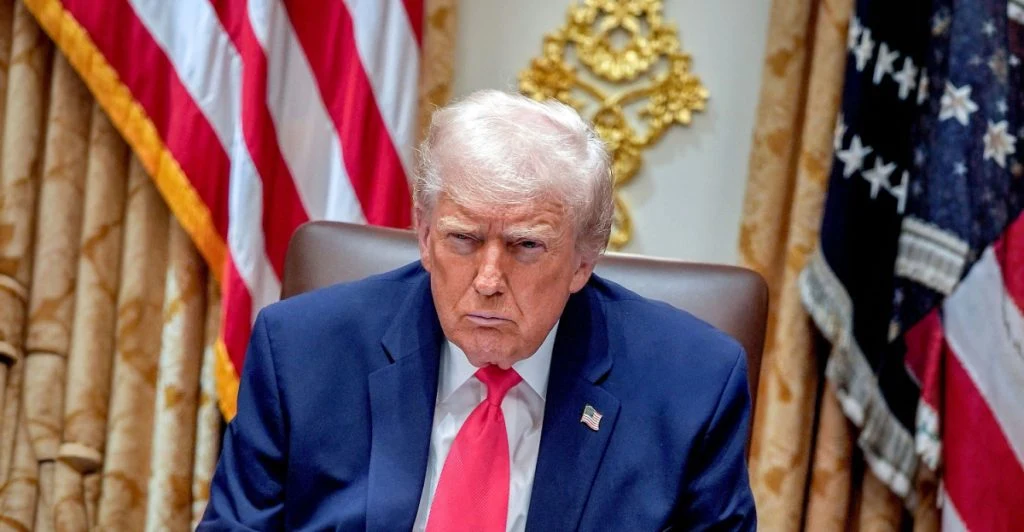
For some observers, the bill reflects deeper political tensions.
Green Party MP Chlöe Swarbrick argues the proposal is not just administrative.
“Behind seemingly innocuous appearances lie deliberate maneuvers for a culture war,” she said, comparing it to “the approach adopted in Trump’s America,”.
A global example from the United States
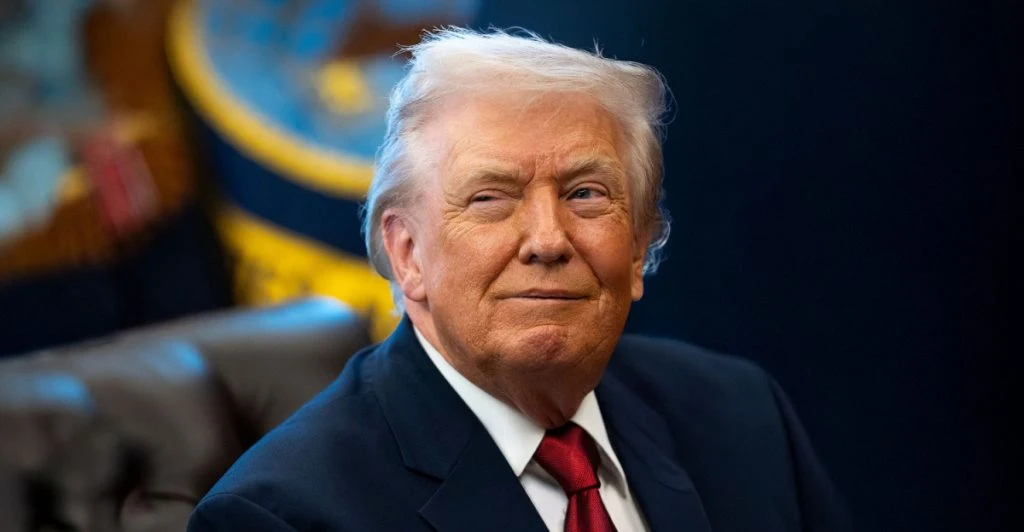
The comparison refers to a recent change in the United States.
In March 2025, Donald Trump made English the official language of the country after more than two centuries without a national language law.
Critics argued that the move weakened protections for Indigenous languages and reduced obligations to provide government information in other languages.
Rising tensions over Māori language and rights

In New Zealand, the debate about English also reflects broader tensions over Māori culture and rights.
Authorities have recently instructed schools to reduce the teaching of Māori. English has also been favored in new passport designs.
These changes have angered many Indigenous leaders and activists.
A wider struggle over identity

Tensions reached Parliament in June 2025 when three Māori MPs performed a haka during a protest against a bill they considered discriminatory.
The lawmakers were suspended after the incident.
Winston Peters also sparked outrage when he mocked the facial tattoos of one of the MPs, saying “whoever is shouting over there, with the scribbles on their face […] can’t stay silent for five seconds.”
For many critics, the current debate shows that Māori culture, from its language to its traditions, may need far more protection than English.



