
 Kenneth Glad
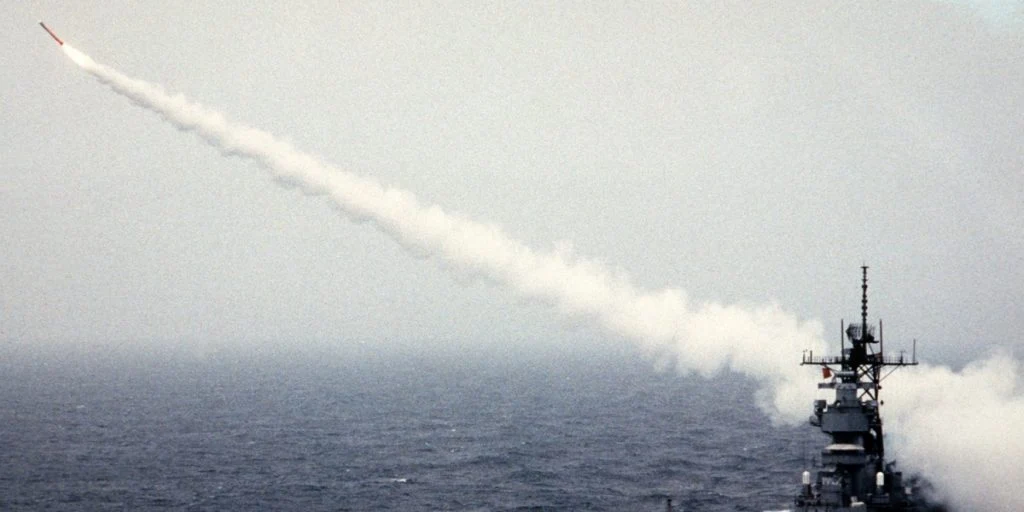
Questions are now being raised about the circumstances surrounding the attack and the claims that followed it. Analysts and investigators have begun examining publicly available material to better understand what may have happened.


In the aftermath of the deadly blast at a primary school in Minab, the argument over blame has moved far beyond political rhetoric. What has emerged instead is a layered dispute shaped by weapons analysis, geolocated footage and competing wartime narratives.
Reporting by The Guardian, alongside analysis cited from Bellingcat and The New York Times, suggests the evidence publicly discussed so far does not support Donald Trump’s claim that Iran caused the attack.
Missile trail
Some of the strongest scrutiny has centered on the weapon itself. A video released by Iran’s Mehr news agency and later geolocated by Bellingcat was said to show a missile striking the IRGC compound beside Shajareh Tayyebeh primary school in Minab.
Experts cited by The Guardian identified the munition as a Tomahawk cruise missile.


“Given the belligerents, that indicates it is a US strike, as Israel is not known to possess Tomahawk missiles,” said NR Jenzen-Jones of Armament Research Services.
Images later published by Iranian state media, described as fragments recovered from the site, could not be independently verified by The Guardian. Still, The New York Times reported that visible serial markings and labeling matched US defense manufacturing patterns, while analyst Trevor Ball said the debris appeared consistent with a Tomahawk.
Competing claims
The strike on 28 February killed scores of people, most of them girls aged seven to 12, writes The Guardian. Unesco called it a “grave violation” of international law.
Trump blamed Iran, saying: “In my opinion, based on what I’ve seen, that was done by Iran … they’re very inaccurate, as you know, with their munitions. They have no accuracy whatsoever. It was done by Iran.”
But the British newspaper noted that no public evidence accompanied that accusation. US military officials, while saying the bombing was under investigation, stopped short of repeating the president’s version. That left a widening gap between the White House claim and the evidence being assessed in public.
The dispute comes amid a rapidly escalating war between the United States, Israel and Iran. The campaign, known as Operation Epic Fury, began on 28 February with large-scale air and missile strikes on Iranian military sites, missile facilities and leadership targets across the country.
The operation was launched after tensions over Iran’s nuclear and missile programs intensified and quickly expanded into a broader conflict marked by retaliatory attacks across the region.
Wider pattern
The Guardian analysis said the school stood next to an IRGC naval facility on Iran’s southern coast, where Pentagon material on Operation Epic Fury indicated US strikes were concentrated in the opening phase of the campaign. Historical satellite imagery suggested the school had long functioned separately from the military compound.
Verified videos from the aftermath and later satellite images showed destruction both at the school and at nearby IRGC buildings, pointing to multiple strikes across the area rather than a lone explosion.
An alternative theory spread online just as quickly: That an Iranian missile had gone astray. But images used to support that claim were geolocated far from Minab, in Zanjan, roughly 1,600km away, according to The Guardian‘s investigation.
Together, the missile evidence, location analysis and debunked misfire claims have intensified scrutiny over what happened in Minab, and over why rival explanations emerged so quickly.
Sources: The Guardian, Bellingcat, The New York Times, Mehr News



