
 Edith Hejberg
Dr. Krzysztof Wasilewski points to one key issue: unclear objectives.
He argues that this is where the Vietnam comparison becomes meaningful.


American and British media have started drawing parallels between the Iran conflict and the Vietnam War.
The comparison has quickly gained traction in outlets like CNN and Sky News.
At the center of the debate is whether history is repeating itself.
Experts say the similarities are not accidental, but they are also not absolute.
A war without a clear endpoint
Dr. Krzysztof Wasilewski points to one key issue: unclear objectives.
He argues that this is where the Vietnam comparison becomes meaningful.
When goals are vague, conflicts tend to drag on and become costly.
That uncertainty is now shaping perceptions of the Iran war.
Lessons from the Vietnam conflict

The Vietnam War lasted two decades, from 1955 to 1975.
Despite massive investment, the US failed to defeat the Viet Cong.
The original aim, containing communism, lacked precise milestones.
This made victory difficult to define and even harder to achieve.
“Comparisons to Vietnam are justified”

Dr. Wasilewski makes his position clear.
“Comparisons to Vietnam are justified,” he says, but only in specific ways.
He stresses that the lack of defined goals is the strongest parallel.
Without clarity, the same mistakes risk being repeated.


Conflicting reasons for intervention

The Iran conflict has been explained in multiple, shifting ways.
At first, officials spoke about nuclear weapons.
Then the focus moved to dismantling infrastructure.
Now, it is framed as a “preventive strike.”
A fragmented narrative from leadership
Different US leaders have offered different justifications.
Donald Trump, Marco Rubio, and Pete Hegseth have not aligned fully.
This inconsistency fuels confusion both domestically and abroad.
It also strengthens comparisons to past strategic missteps.
The question of ground troops

Initially, the US ruled out sending troops into Iran.
Now, that position appears less certain.
Officials have not excluded the possibility of a ground operation.
This shift raises concerns about deeper military involvement.
Pressure on allies

Trump has called on NATO and non-NATO allies for support.
He wants help securing the Strait of Hormuz.
There is also an expectation of broader involvement in Iran.
This could test international alliances in new ways.
Two paths forward
According to Dr. Wasilewski, Trump faces a difficult choice.
He can return to diplomacy, which may appear as a setback.
Or he can escalate the conflict and pursue regime change.
Both options carry significant political risks.
Legal and political barriers

A larger military operation would require congressional approval.
At present, that scenario seems unlikely.
Domestic resistance could limit further escalation.
This constraint adds another layer of uncertainty.
A war losing momentum
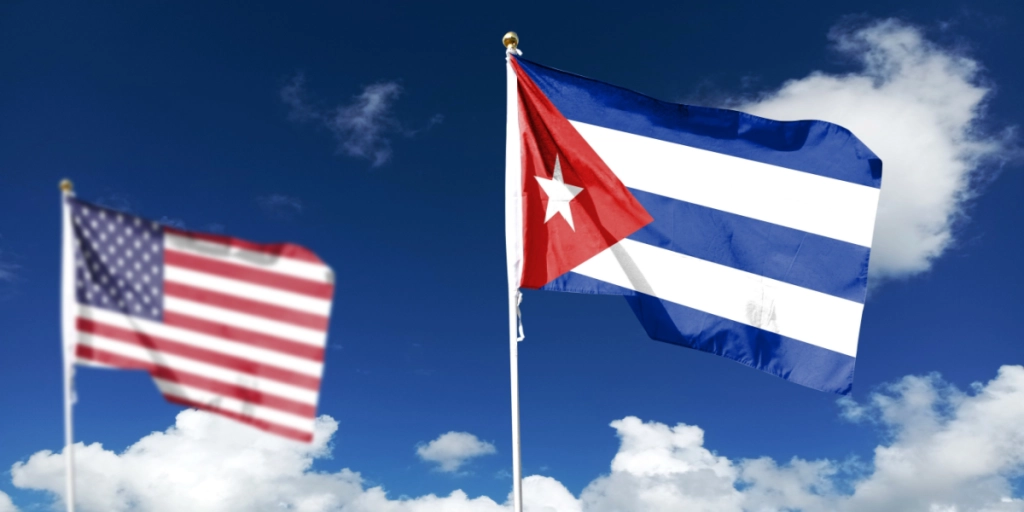
Trump appears to be shifting focus away from Iran.
He has begun speaking more frequently about Cuba.
This suggests fatigue within the administration.
It also raises questions about long-term strategy.
“Trump is perceived as the loser of this ‘war escapade’”

Dr. Wasilewski delivers a blunt assessment.
“Trump is perceived as the loser of this ‘war escapade’.”
Without a decisive outcome, the narrative has turned negative.
Missed opportunities, like a clear victory moment, now stand out.
The long-term cost for Americans

The conflict may leave lasting economic and social effects.
Voters expected a focus on domestic issues, not foreign wars.
Instead, this marks the third conflict in just three months.
Billions spent abroad contrast sharply with problems at home.



