
 Edith Hejberg

A senior Iranian official signaled that conditions in a critical shipping route may not improve soon.

Oil prices climbed sharply on Tuesday as conflict in the Middle East intensified.
Fresh attacks on energy infrastructure rattled global markets already on edge.
Investors reacted quickly, pushing crude benchmarks higher after recent volatility.
The renewed spike reflects fears of prolonged disruption to key supply routes.
Brent and WTI post strong gains

Brent crude rose about 3% to trade near $103 a barrel.
Earlier in the session, it had surged more than 4% before easing slightly.
WTI, the US benchmark, climbed 3.7% to around $97 a barrel.
Both benchmarks remain significantly elevated compared to pre-conflict levels.
US gas prices continue to climb
American drivers are feeling the pressure at the pump.
Gasoline prices rose 7 cents to a national average of $3.79 per gallon.
That marks the highest level since October 2023, according to AAA data.
Rising fuel costs are adding strain to household budgets.
Iran warns of lasting instability
A senior Iranian official signaled that conditions in a critical shipping route may not improve soon.
Parliamentary speaker Mohammad Baqer Qalibaf issued a stark warning.
“The Strait of Hormuz cannot be the same as before and return to its previous conditions,” he said.
He added that “there is no longer any security.”


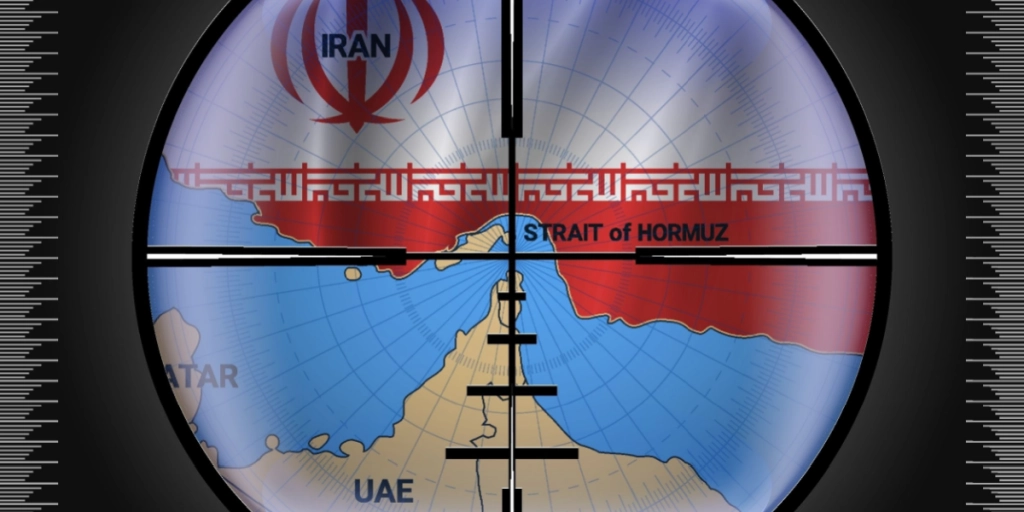
Strait of Hormuz under threat

The Strait of Hormuz is a vital artery for global energy flows.
Roughly a fifth of the world’s oil and liquefied natural gas passes through it.
Any disruption there sends immediate shockwaves through global markets.
Iran’s stance has heightened fears of sustained supply constraints.
Attacks hit regional energy infrastructure

Iran has intensified strikes on key energy facilities across the region.
The UAE suspended operations at its Shah natural gas field after a drone attack.
A separate strike caused a fire at the major oil port of Fujairah.
An Iraqi oil field was also targeted, widening the scope of disruption.
Tankers and shipping routes under fire
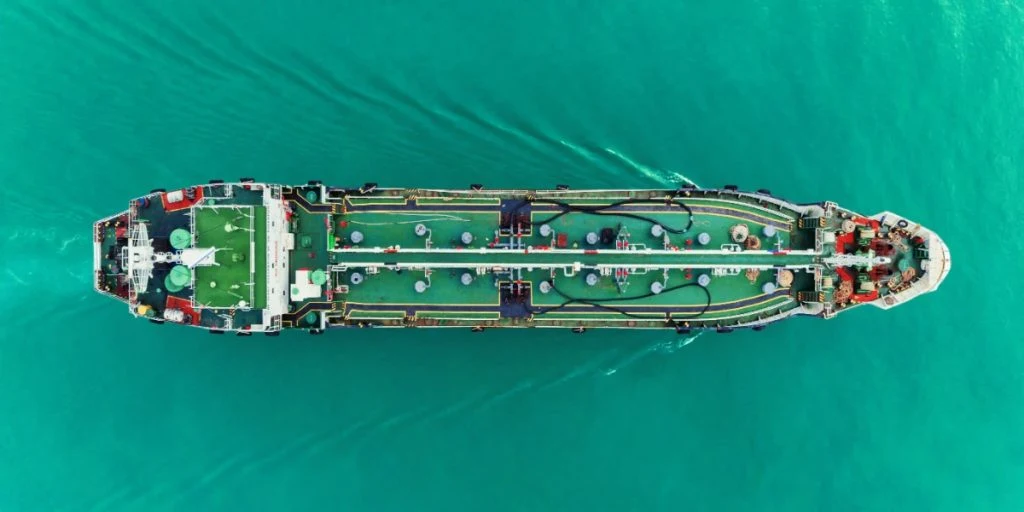
Maritime risks are increasing rapidly in the Gulf.
A tanker was struck by an “unknown projectile” near Fujairah.
Authorities have recorded more than a dozen vessel attacks in recent weeks.
Shipping through the region has become increasingly hazardous.
Escalation raises geopolitical stakes
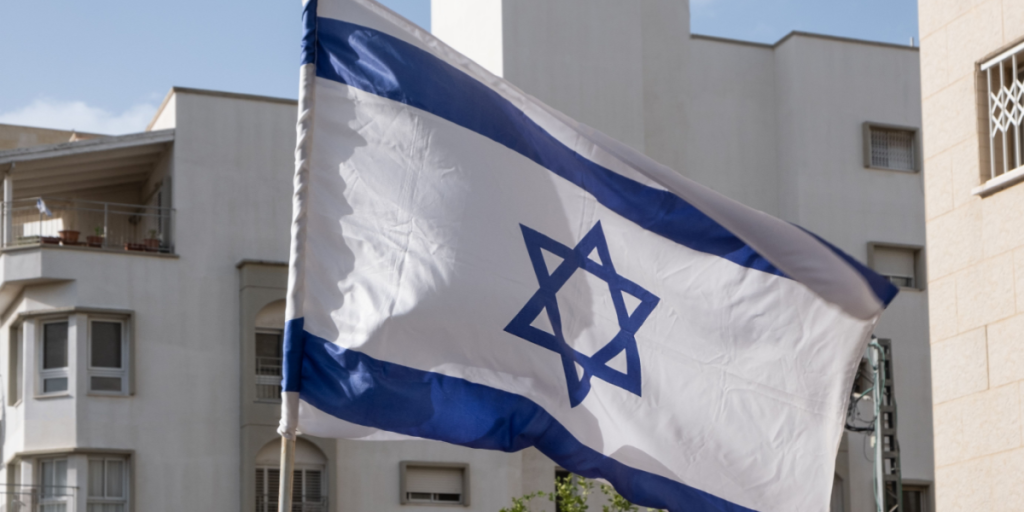
Tensions escalated further with reports of a high-profile killing.
Israel said it had killed Iran’s security chief Ali Larijani.
Iran has not confirmed the claim, adding uncertainty to the situation.
The development signals a deepening and more volatile conflict.
Markets react to shifting expectations

Tuesday’s price surge followed a drop the previous day.
On Monday, Brent fell 2.8% amid hopes of resumed oil flows.
Equity markets also rallied on optimism about easing tensions.
Those hopes quickly faded as fresh attacks emerged.
Oil prices remain sharply elevated
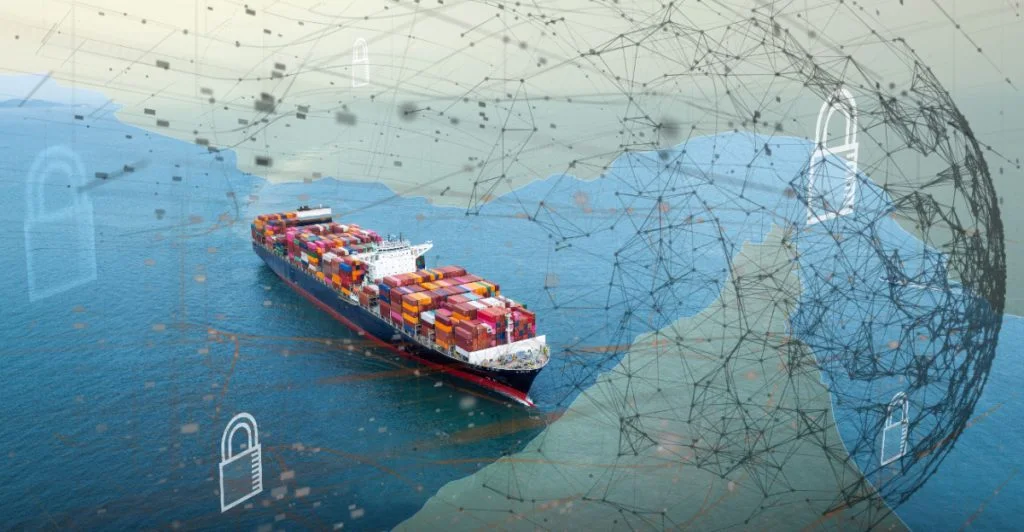
Crude prices are still about 40% higher than before the conflict escalated.
The surge began after Iran moved to choke off the Strait of Hormuz.
Markets are now pricing in the risk of prolonged disruption.
Energy traders remain highly sensitive to new developments.
US calls for international support
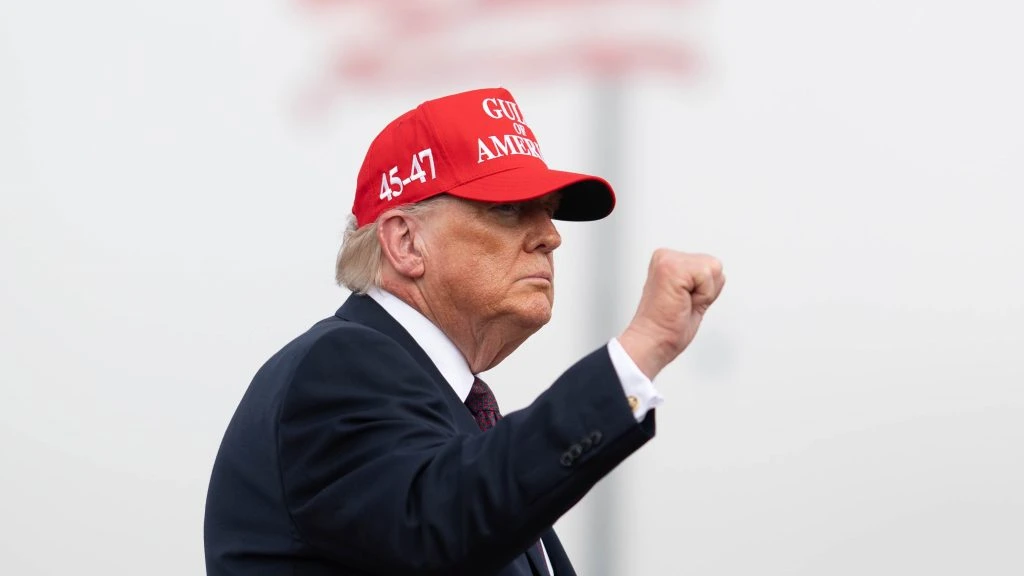
President Donald Trump urged allies to help reopen the strait.
He warned NATO could face a “very bad future” without coordinated action.
The call highlights growing concern in Washington over energy security.
However, global support appears uncertain.
Europe resists deeper involvement

European leaders are cautious about entering the conflict.
The EU declined to expand naval operations after recent talks.
“Europe has no interest in an open-ended war,” said Kaja Kallas.
“This is not Europe’s war,” she added, despite acknowledging economic stakes.
Emergency reserves offer short-term relief
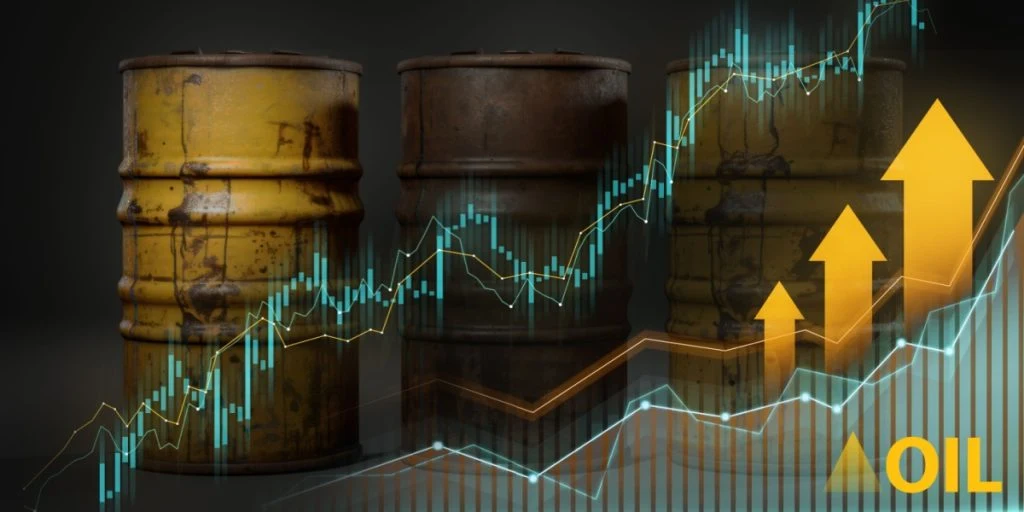
The International Energy Agency is stepping in to stabilize markets.
Member countries are releasing 400 million barrels of emergency oil.
Officials say reserves remain substantial even after the release.
Still, the agency warned the measure is only temporary.
Long-term solution depends on transit
Energy officials stress that stockpiles cannot solve the core issue.
“While our stock release can provide a buffer for now, it is not a lasting solution…”
The IEA emphasized that stable supply depends on safe passage.
Reopening the Strait of Hormuz remains the key to easing the crisis.



