
 Kenneth Glad
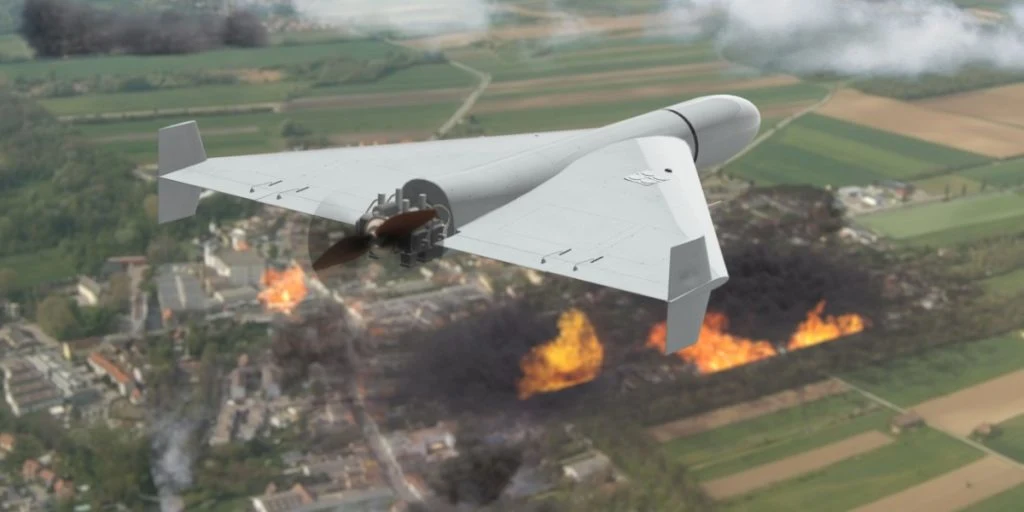
Modern warfare has changed fast. In Ukraine and across the Middle East, drones are no longer just support tools – they’re shaping strategy. Cheap, adaptable, and hard to stop, they’ve been used to hit infrastructure far from front lines. That shift has pushed U.S. officials to think more seriously about how similar tactics could be used closer to home.


In an interview with the Daily Express, U.S. military veteran and drone specialist Brett Velicovich said an adversary like Iran would likely avoid direct military confrontation and instead focus on disruption.
“They want soft targets — places with weaker counter-drone defenses, where they can cause maximum economic damage and fear,” he said.
Infrastructure as the Real Pressure Point
The emphasis is on systems rather than single locations. Ports are a clear example: even a short disruption can delay shipments, disrupt supply chains, and push up costs.
Energy networks are just as exposed – damage to a few critical nodes can knock out power across large areas. Large cities add another layer, where even a limited incident quickly turns into a national story.


NATO’s 2025 assessment on drone warfare pointed to how common this approach has become. In Ukraine, repeated drone strikes have hit energy infrastructure -sometimes in coordinated waves targeting dozens of sites – especially during winter, when outages hit hardest.
How Serious Is the Threat?
Even with those examples, most experts don’t see a direct attack on the U.S. as likely. Michael Rubin of the American Enterprise Institute told Times of Israel, “I don’t think it’s likely, but it’s a goal.” Put simply, intent is one thing; Actually pulling it off is another.
A recent incident shows how quickly concerns can spread. Newsner reported that a warning about a possible Iranian drone threat in California circulated among authorities before being dismissed as based on a single unverified message. Still, security was tightened at major events in Los Angeles.
That leaves officials in a tough spot. Ignore a warning and risk being wrong, or act on it and risk overreacting – there’s no easy call.
The More Likely Scenario
Velicovich also pointed to the limits Iran would face. Launching drones directly from its territory to the U.S. mainland would be extremely difficult due to range, detection systems, and technical constraints.
“Technically possible, yes, but logistically, it’s very complex,” he said.
More realistic scenarios involve indirect methods – proxy actors, cyberattacks paired with physical disruption, or modified commercial drones deployed closer to U.S. borders. These tactics are harder to trace and don’t require the same level of capability.
This ties into current U.S. strategy. Defense Secretary Pete Hegseth said Thursday that operations targeting Iran’s military capabilities remain “on plan,” with a focus on limiting systems that could be repurposed for unconventional attacks, including drones.
The bigger worry isn’t a dramatic strike from across the world. It’s something quieter – harder to trace, easy to dismiss at first, and disruptive enough to matter.
Sources: Newsner, Daily Express, Times of Israel



