
 Edith Hejberg

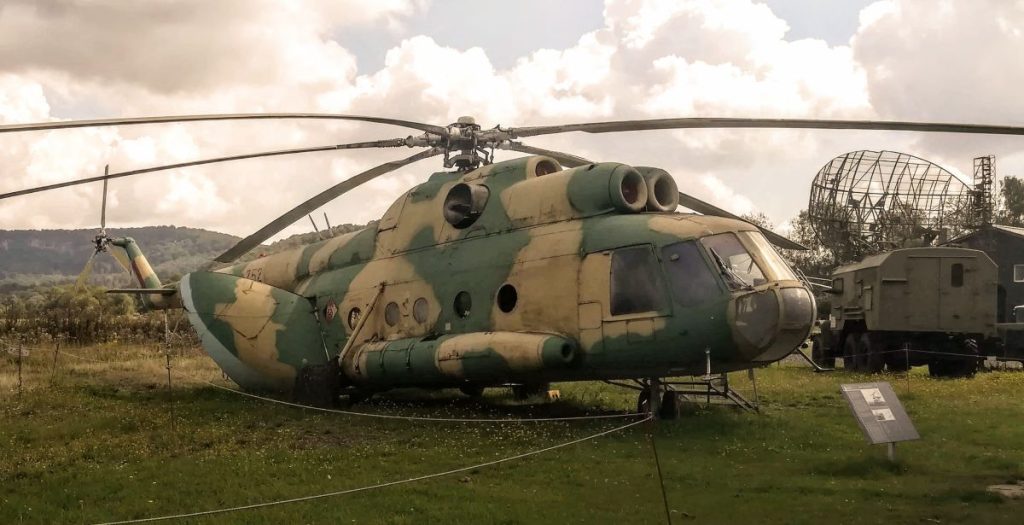
In just three hours, a Ukrainian Mi-8 helicopter crew shot down 12 incoming drones.

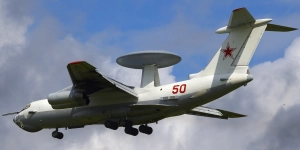
They fell one after another, in a high-stakes race over open water.
In just three hours, a Ukrainian Mi-8 helicopter crew shot down 12 incoming drones.
The operation highlights how quickly aerial threats can be neutralized when timing and coordination align.
It also shows how older aircraft are being pushed into new, demanding roles.
A bold claim from naval forces

“One crew of a Navy Mi-8 helicopter destroyed 12 Shaheds in three hours. Quickly. Professionally. We are proud of our naval pilots! Together, to victory!”
That statement from the Ukrainian Naval Forces captured both pride and urgency.
It framed the mission as not just tactical success, but a symbol of resilience.
The emphasis was on speed, precision, and teamwork.
Intercepting drones over the sea

The engagement took place above the sea, not over land.
This decision reduced the risk of debris falling on homes or infrastructure.
It reflects a deliberate effort to balance defense with civilian safety.
Still, the setting introduced its own dangers for the crew.
Harsher conditions in open water
Flying over water is far more difficult than flying over land.
Pilots face fewer visual reference points and more unstable conditions.
Navigation becomes harder, especially during combat maneuvers.
Every engagement demands sharper focus and greater skill.


Danger from the mission itself
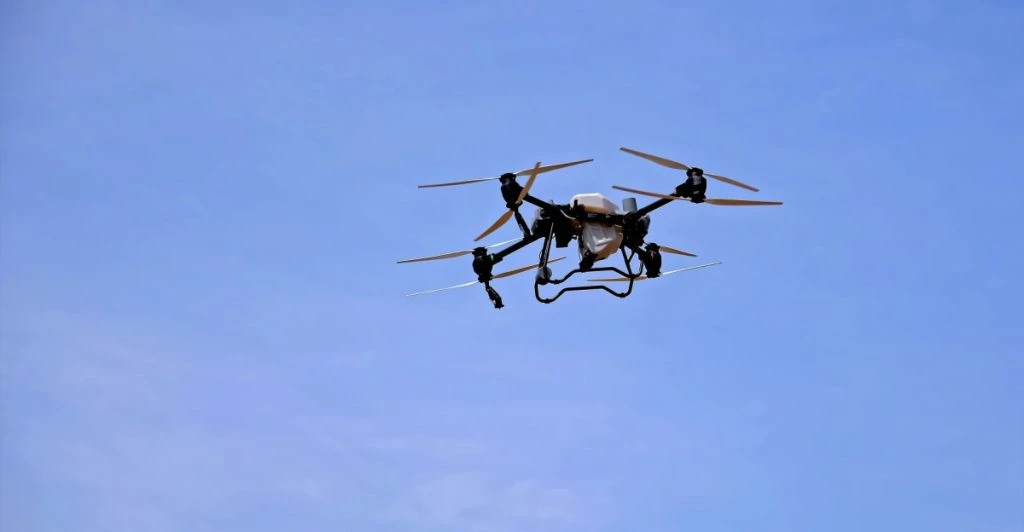
Destroying drones at close range is inherently risky.
If a helicopter gets too close, it can be hit by falling debris.
This makes every successful interception a calculated gamble.
The crew must strike quickly, then reposition just as fast.
The threat of shahed drones
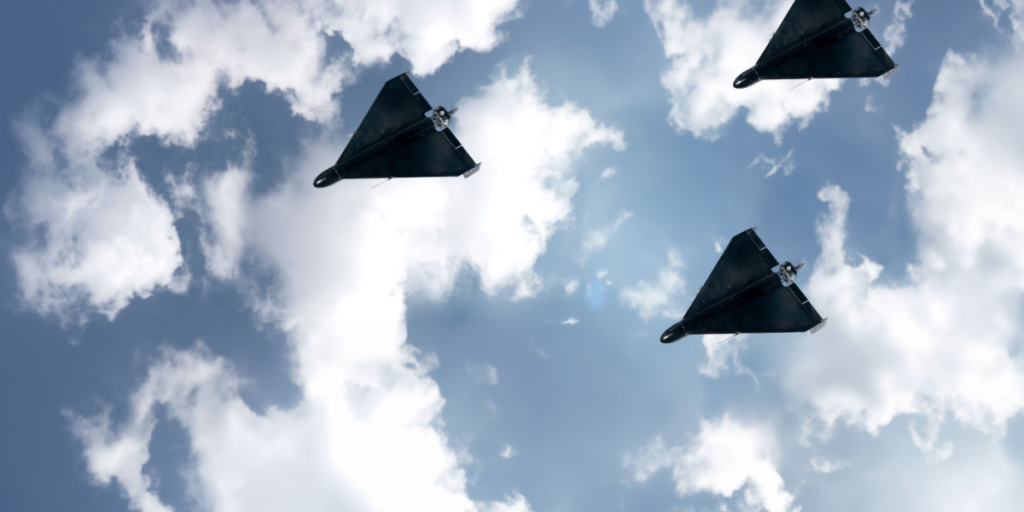
Shahed drones have been a key tool in Russian air attacks.
They are often used in large numbers to overwhelm defenses.
Their role in the war has grown steadily since the beginning.
Stopping them quickly is critical to limiting damage.
Evolving drone production
Initially, many of these drones came from Iran.
More recently, similar models have been produced in Tatarstan.
These versions are known as Geran-2.
Russia has expanded production using acquired technology.
Multiple layers of air defense
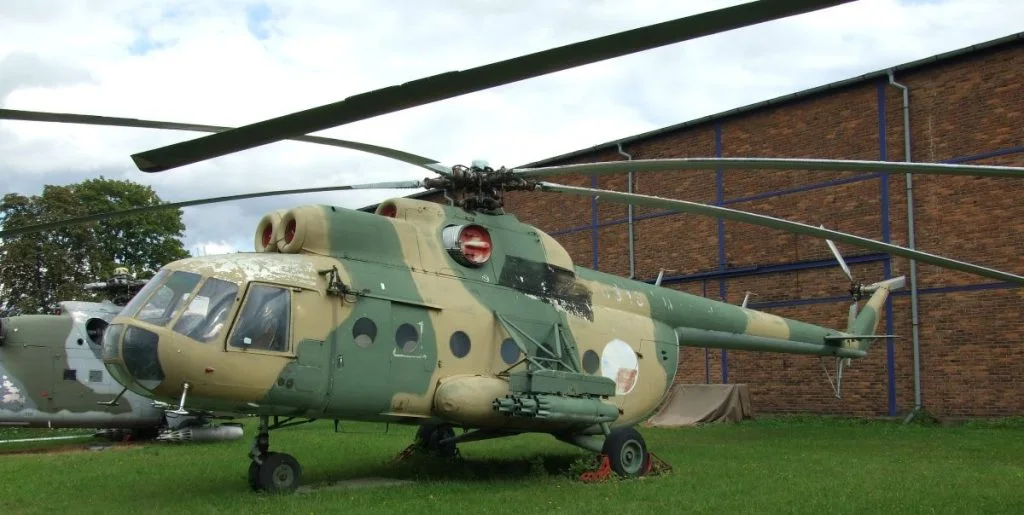
Ukraine uses a range of systems to counter drone attacks.
Gepard anti-aircraft guns and VAMPIRE missile systems are often mentioned.
Fighter jets, including F-16s, also play a role.
Helicopters have now become an important part of that mix.
Helicopters enter the fight

Mi-8 helicopters were first seen in anti-drone roles in summer 2024.
This marked a shift from their traditional use.
They began taking on more direct combat responsibilities.
Their flexibility made them valuable in evolving conditions.
A machine with a long history
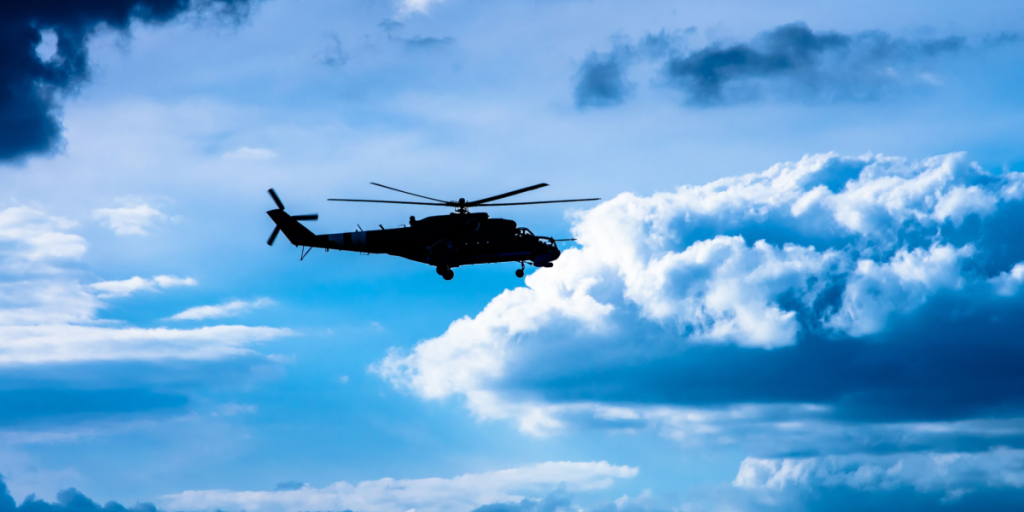
The Mi-8 dates back to the 1960s.
It was never designed for modern drone warfare.
Yet it continues to adapt decades after its introduction.
Its longevity speaks to its versatility.
From transport to combat

Originally, these helicopters were used for transport missions.
They carried troops, cargo, and evacuated civilians.
Those roles remain important, but no longer define the aircraft.
War has forced a broader use of available resources.
Adapting to battlefield shortages

A lack of dedicated air defense systems has driven change.
Ukraine has had to reassign parts of its Mi-8 fleet.
This includes using them in anti-drone operations.
Necessity has reshaped how these helicopters are deployed.
More than just interception
Mi-8 helicopters are not limited to shooting down drones.
There have also been cases of attacks using S-8 unguided missiles.
This expands their role beyond defense into offensive support.
It underlines how adaptable these aircraft have become.



